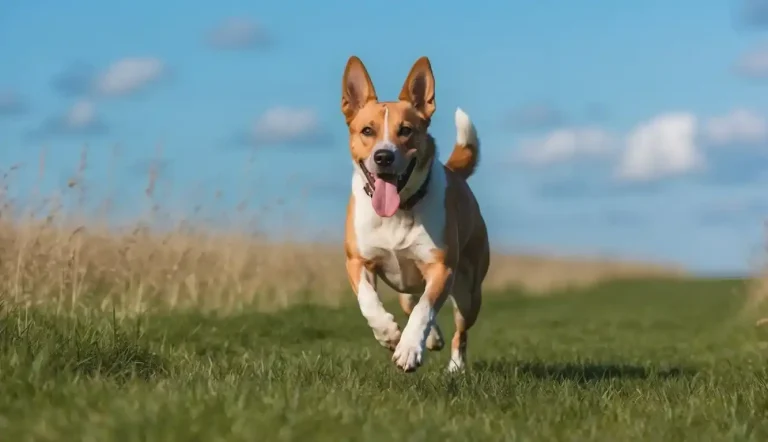
Why Do Dogs Like Squeaky Toys?
Many dog owners have seen their pets go wild over squeaky toys. It’s no surprise, as these toys provide not only fun but also engage a dog’s natural instincts. The sound of a squeaky toy mimics the noise of small prey, activating a dog’s hunting instincts and making playtime even more exciting.

Dogs are naturally drawn to toys that produce sound. When they hear a squeak, it often triggers curiosity and excitement. This feedback loop keeps them engaged and wanting to play longer. The joy and stimulation from chasing and chewing on these toys offer mental and physical benefits.
Understanding why dogs love squeaky toys can help owners choose the best toys for their pets. By selecting toys that correspond with these instincts, owners can enhance their dogs’ playtime experience and provide a good outlet for their energy.
Exploring Canine Behavior

Canine behavior plays a significant role in understanding why dogs are attracted to squeaky toys. Key factors include their psychology of play, instinctual drives related to hunting, and the impacts of training methods on their interactions with toys.
The Psychology of Play
Dogs are naturally playful animals. Play is vital for their development and well-being. It helps them learn social skills and strengthens the bond with their owners.
Types of Play often seen in dogs include:
- Social Play: Interacting with other dogs or humans.
- Object Play: Engaging with toys, such as squeaky ones.
- Locomotor Play: Running and jumping, which promotes physical fitness.
Playing with squeaky toys can stimulate a dog’s mind, offering mental stimulation. This can lead to positive behavior, as dogs are more likely to engage in fun activities when encouraged.
Prey Drive and Hunting Instincts
Many dogs possess a strong prey drive, which comes from their ancestry. This drive can lead to behaviors similar to hunting. Dogs may chase, grab, and shake toys that mimic the sounds of injured animals. The sound of a squeaky toy can trigger these instincts, making it exciting for the dog.
Understanding these hunting instincts is essential:
- Some breeds, like terriers, have a higher prey drive.
- Puppies also exhibit play that mimics hunting behavior, learning through interaction.
When dogs play with squeaky toys, they may express their natural instincts in safe ways. This behavior helps reduce potential aggressive tendencies while keeping the dog entertained.
Dog Training and Positive Reinforcement
Training dogs to interact with toys through positive reinforcement can enhance their play experiences. Using squeaky toys as rewards can foster good behavior. Dogs learn to associate toys with fun and attention from their owners.
Training tips that utilize squeaky toys include:
- Rewarding calm behavior with a squeaky toy.
- Encouraging fetch and retrieval to strengthen bonding.
- Redirecting inappropriate behaviors by offering a toy.
This approach not only improves training outcomes but also boosts mental engagement. A well-stimulated dog is less likely to display unwanted behaviors, leading to a happier pet and owner relationship.
Understanding Dog Toys

Dog toys come in many shapes, sizes, and materials, serving various purposes for pets. Different types encourage play, exercise, and mental stimulation. Choosing the right ones can enhance a dog’s wellbeing and help prevent destructive behavior.
Varieties of Toys
Dog toys can be categorized into several types. Common varieties include:
- Squeaky Toys: These toys make sound when bitten. They often attract a dog’s attention and encourage play.
- Plush Toys: Soft and cuddly, these toys provide comfort. They are often used for gentle chewing and snuggling.
- Chew Toys: Designed for chewing, these toys satisfy a dog’s natural urge to gnaw.
- Balls: Ideal for games of fetch, they promote physical activity and exercise.
- Puzzle Toys: These challenge a dog’s mind, requiring them to solve problems for treats.
Each type encourages different forms of engagement.
Squeaky Toys and Their Appeal
Squeaky toys are particularly popular among dogs, mainly due to the sounds they make. The high-pitched noise mimics the sound of animals, activating a dog’s predatory instincts.
When a dog hears a squeak, it often triggers excitement, leading to energetic play. This sound provides sensory stimulation that many dogs find rewarding. Additionally, the act of squeezing or chewing these toys can be satisfying, creating a positive feedback loop that encourages further interaction.
Toys as Training Tools
Dog toys can serve as valuable training aids. For example,:
- Chew Toys: These can help teach a dog what is appropriate to chew.
- Puzzle Toys: These enhance problem-solving skills, keeping dogs mentally engaged.
- Balls or Fetch Toys: These can help with recall during training sessions.
Incorporating toys into training can make learning fun and reinforce desired behaviors. This interactive play also strengthens the bond between the dog and its owner.
Safety and Toy Selection
Selecting the right toy is crucial for safety. Owners should consider materials, size, and potential choking hazards. Toys should be durable enough to withstand chewing without breaking apart.
Tips for Safe Toy Selection:
- Material: Choose non-toxic materials that are free from harmful chemicals.
- Size: The toy should be appropriate for the dog’s size to prevent choking.
- Supervision: Always supervise play sessions, especially with new toys.
By focusing on safety, owners can ensure a fun and secure playtime for their pets.
The Role of Play in a Dog’s Life

Play is vital for a dog’s physical health, mental well-being, and social development. Engaging in play provides dogs with opportunities to exercise, stimulate their minds, and bond with their owners. Each aspect of play plays a distinct role in a dog’s overall quality of life.
Physical Exercise and Health
Play serves as essential exercise for dogs. Regular play sessions help maintain a healthy weight and improve cardiovascular health. Dogs require physical activity to stay fit and prevent obesity.
Different types of play, like fetch or tug-of-war, encourage movement and agility. These activities also help strengthen muscles and improve coordination. Additionally, play can support dental health by promoting chewing behavior, which removes plaque.
Without enough exercise through play, dogs may develop destructive behaviors. Boredom and excess energy can lead to chewing furniture or digging. Thus, structured play is crucial for a dog’s physical condition.
Mental Stimulation and Well-being
Mental stimulation is just as important as physical exercise. Play engages a dog’s brain and helps prevent boredom. Activities like puzzle toys or hide-and-seek strengthen problem-solving skills.
Squeaky toys are particularly appealing because they activate a dog’s natural hunting instincts. The sound stimulates the brain, leading to the release of dopamine, which promotes feelings of pleasure. This interaction enhances a dog’s happiness and mental health.
Moreover, play can reduce anxiety and stress. Dogs that have regular opportunities to play are often calmer and more well-adjusted. When brain activity is balanced with physical movement, a dog can thrive emotionally.
Social Aspects of Play
Play is a key part of a dog’s social life. Interactions with other dogs or humans during play foster bonding and trust. These experiences help dogs develop better social skills.
Group play sessions can teach dogs about boundaries and communication. They learn how to read cues from other dogs, which is important for their social development. Social play prevents behavioral issues that can arise from isolation, such as aggression or fearfulness.
Additionally, play strengthens the bond between a dog and its owner. Participating in playtime creates shared moments of joy and trust. This connection is crucial for a dog’s emotional health and helps them feel secure.
Addressing Possessive and Aggressive Behaviors

Possessive and aggressive behaviors in dogs can lead to serious issues, especially during playtime with toys like squeaky ones. Understanding resource guarding and managing aggression is crucial for a safe and enjoyable environment.
Resource Guarding
Resource guarding occurs when a dog feels the need to protect its valued items, such as toys or food. This behavior can lead to growling, snapping, or biting if someone approaches. Signs of resource guarding include:
- Growling or barking when someone gets close
- Stiff body language and a fixed stare
- Attempts to block access to the item
To address resource guarding, owners can use gradual desensitization. Start by approaching the dog while it enjoys its toy, then offer a treat to create positive associations. It’s important to remain calm and avoid scolding, as this may increase anxiety. Regular training can help teach the dog to share and feel secure.
Managing Aggression in Play
Aggression during play can arise when a dog feels possessive over toys. This might cause them to act defensively when other dogs or people join in. To manage this behavior, follow these strategies:
- Supervise playtime to intervene if necessary.
- Introduce new toys gradually, ensuring a calm environment.
- Reward calm behavior with treats or praise, reinforcing positive interactions.
Using toys with built-in sound or different textures can also help distract a possessive dog. If aggressive behavior continues, consulting a professional trainer or behaviorist is recommended to develop a tailored plan for addressing these issues. Open communication between owner and dog is key to fostering trust during play.
Providing the Best for Your Dog
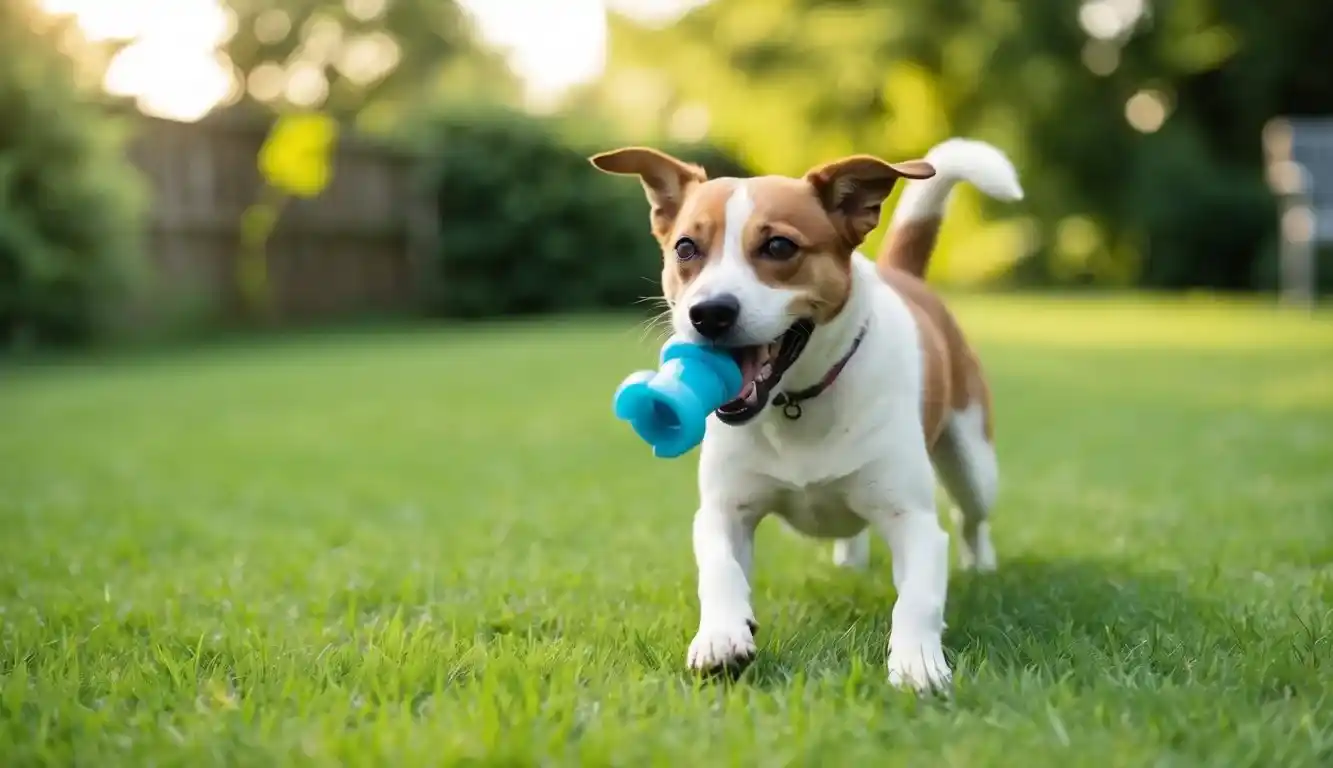
To ensure a happy and healthy life for dogs, it’s important to select suitable toys, balance play with training, and pay attention to their behavior. Each aspect plays a role in a dog’s well-being and overall happiness.
Choosing the Right Toys
Selecting the right toys is crucial for a dog’s enjoyment and safety. Squeaky toys often appeal to dogs by simulating prey sounds. This can enhance playtime, but it’s important to choose toys that suit the dog’s chewing habits.
For heavy chewers, durable chew toys made from robust materials are ideal. These toys help with dental health by reducing plaque and tartar build-up. Always supervise playtime to ensure that no small parts are ingested. Look for toys marked as safe and appropriate for the size and strength of the dog.
Balancing Playtime and Training
While play is essential, balancing it with training is equally important. Incorporating play into training can make learning enjoyable. Using toys as rewards promotes positive reinforcement.
Short training sessions that mix commands with playtime help keep dogs engaged and motivated. For instance, a game of fetch can teach commands like “bring it back” or “drop it”. This approach encourages exercise while reinforcing good behavior.
Recognizing and Responding to Behavioral Cues
Dogs communicate their needs through behavior. Recognizing cues such as barking, pawing, or chewing can help owners respond appropriately. If a dog seems bored or anxious, introducing new toys can stimulate their interest.
Playtime shouldn’t only be about fun; it’s also an opportunity to bond and understand the dog better. Paying attention to signs of overexcitement or frustration allows owners to adjust play strategies. Offer breaks or switch toys if a dog appears overwhelmed, promoting a positive experience during play.