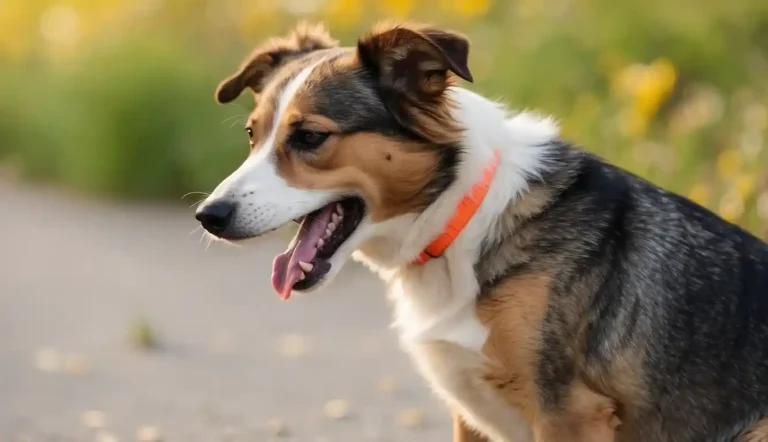
Why Do Dogs Have Whiskers? Understanding Their Importance and Function
Dogs have unique features that help them interact with their environment, and one of the most fascinating is their whiskers. Whiskers, also known as vibrissae, are specialized hairs that serve as sensors, helping dogs navigate the world around them. These feelers are crucial for their ability to detect objects, understand their surroundings, and even express their emotions.
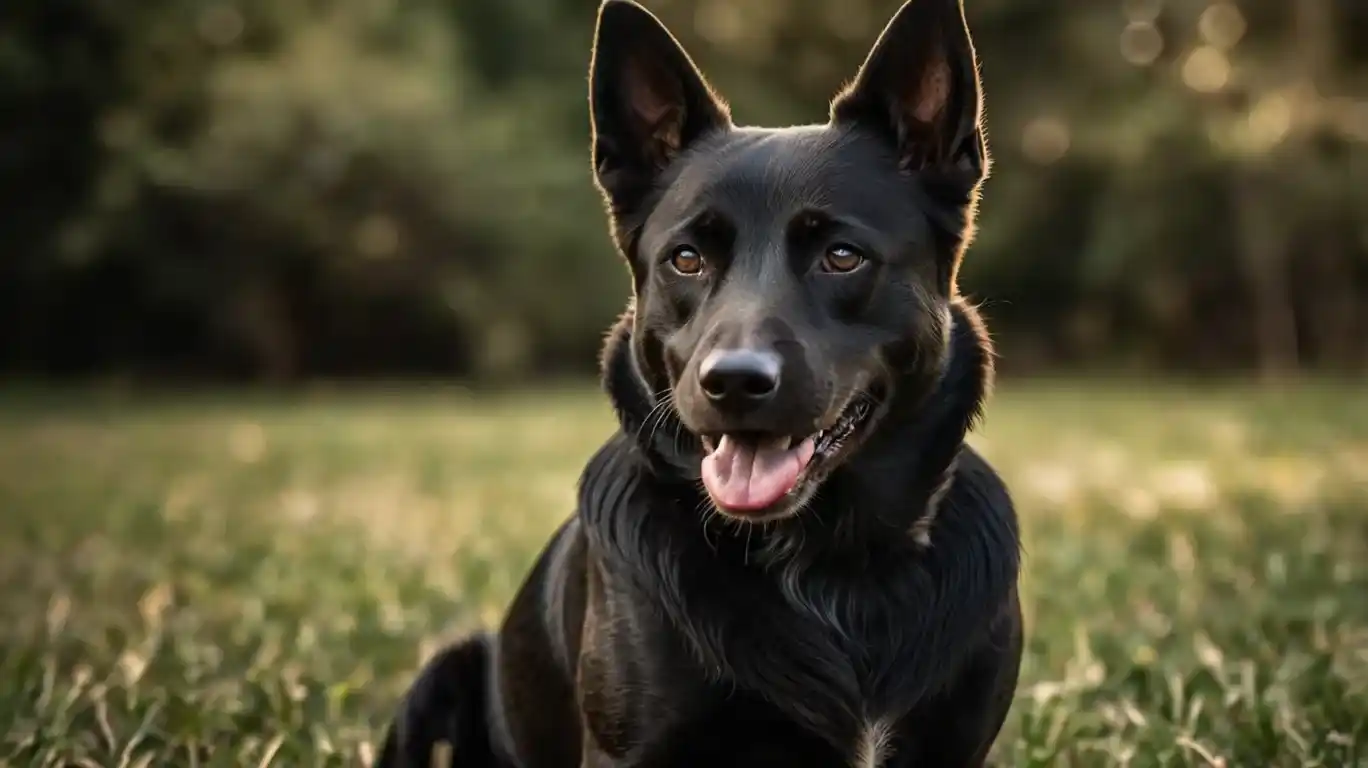
While many pet owners might think of whiskers as merely decorative, they play an essential role in a dog’s life. Whiskers are sensitive to touch and can pick up on tiny movements in the air. This makes them particularly useful for dogs, as they often rely on these hairs to explore narrow spaces and unfamiliar areas.
Understanding the function of a dog’s whiskers can deepen the bond between a pet and its owner. Recognizing how whiskers contribute to a dog’s sensory experience can help people appreciate their furry friends even more.
The Anatomy of Canine Whiskers

Canine whiskers, also known as vibrissae, play an important role in how dogs perceive their surroundings. Understanding their structure and the different types helps to appreciate their function better.
Understanding Hair Follicles and Vibrissae
Whiskers are specialized hairs that differ from regular dog fur. They grow from hair follicles, which are tiny pockets in the skin. Each whisker follicle contains a high concentration of nerve endings.
These nerve endings make whiskers highly sensitive to touch and vibrations. When a dog’s whiskers come into contact with an object, they send information about the environment to the dog’s brain. This helps dogs navigate tight spaces and detect nearby objects even in low light.
Unlike regular hair, which grows continually, whiskers have a specific growth cycle. Once they reach a certain length, they stop growing, which helps maintain their role as sensory tools.
Types of Whiskers on Dogs
Dogs have several types of whiskers located in different areas of their face. Each type serves a unique purpose.
- Mystacial Whiskers: These are the long, prominent whiskers found on the muzzle. They help dogs gauge width and distance.
- Genal Whiskers: Located on the cheeks, these whiskers aid in sensing objects that come close to the face.
- Supraorbital Whiskers (or Eyebrow Whiskers): Positioned above the eyes, they assist in sensing movements above the dog.
- Chin Whiskers: Found on the chin, they help dogs sense items near the ground.
- Interramal Whiskers: These whiskers are located between the dog’s lower jaw, enhancing sensory perception of surface textures.
Together, these whiskers create a comprehensive sensory map that helps dogs interact with their environment effectively.
The Sensory Functions of Whiskers
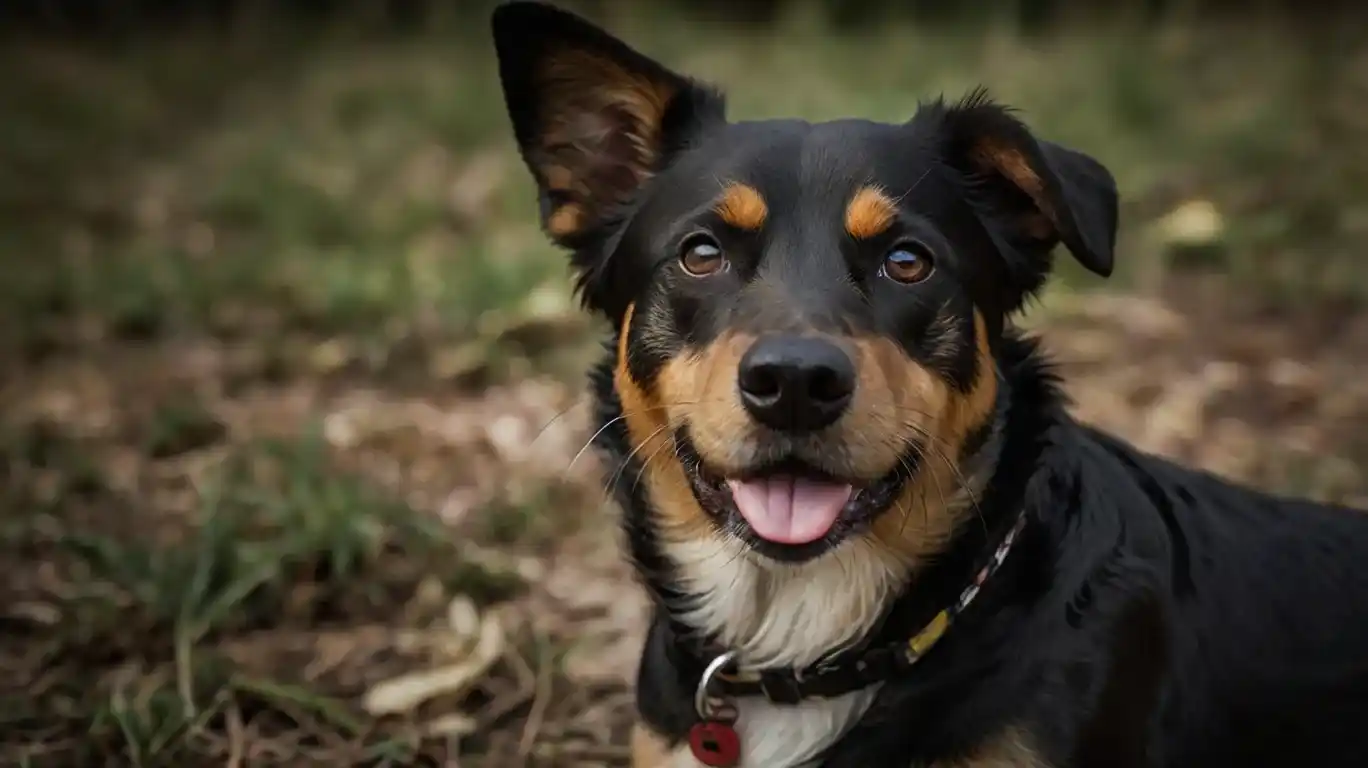
Whiskers, or vibrissae, play crucial roles in helping dogs navigate their surroundings. They provide sensory input that aids in spatial awareness and detection of environmental changes. Understanding these functions reveals how essential whiskers are for a dog’s daily experiences.
Role in Spatial Awareness and Navigation
Whiskers help dogs assess their environment. They are equipped with touch-sensitive neurons that respond to nearby objects and help measure distances. When a dog moves, its whiskers touch surfaces and send signals to the brain.
This allows the dog to determine the size and shape of nearby items without relying on sight. Moreover, whiskers expand the dog’s spatial awareness, helping it avoid obstacles and navigate tight spaces. This sensory feedback is vital for a dog’s overall safety and mobility, ensuring they can move confidently.
Detection of Air Currents and Vibrations
Whiskers are tuned to sense even slight changes in air currents and vibrations. This ability gives dogs valuable information about their environment. When air moves nearby, it can indicate the presence of an object or even another animal.
The sensory nerves at the base of the whiskers pick up these changes, alerting the dog to potential threats or interesting movements. This heightened awareness allows dogs to react quickly to their surroundings, making whiskers an essential tool for survival. It enhances their situational understanding, enabling more informed responses.
Whiskers as Indicators of Emotions
In addition to their sensory functions, whiskers can reveal a dog’s emotional state. The position and movement of whiskers can indicate whether a dog feels relaxed, excited, or threatened. For example, whiskers that are pushed forward might suggest curiosity or interest.
Conversely, whiskers pulled back could indicate stress or fear. By observing these changes, owners can gauge their dog’s feelings, enhancing communication and understanding. Whiskers serve as a visual cue that complements other body language, allowing for better interaction between dogs and their humans.
Behavioral Aspects of Whiskers

Whiskers play a significant role in how dogs communicate and interact with their environment. They help dogs relay signals to other dogs and assist in hunting and foraging. Understanding these aspects reveals the importance of whiskers in a dog’s daily life.
Whiskers in Canine Communication
Whiskers serve as important tools for communication among dogs. They can signal emotions and intentions. For example, when a dog pulls back its whiskers, it may be showing submission. In contrast, whiskers pointed forward can indicate aggression.
Dogs use these signals within their pack and with other dogs. The positioning of whiskers helps convey their mood and readiness to engage. Other dogs observe these changes, allowing them to respond appropriately in social situations.
The Role of Whiskers in Hunting and Foraging
Whiskers also play a crucial role in hunting and foraging. Dogs rely on whiskers to sense nearby objects, helping them find food or detect prey. When a dog approaches potential food, whiskers help gauge the size and distance.
These sensitive hairs detect vibrations and changes in air movement. As a result, they provide vital information about the environment. This sensory input is essential, especially for dogs with less acute eyesight. Whiskers enhance a dog’s ability to navigate their surroundings and locate food effectively.
Physical Protection Afforded by Whiskers

Whiskers play a vital role in a dog’s physical protection. These sensitive hairs help detect dangers in the environment, providing essential information that dogs need to stay safe. The structure and function of whiskers are adapted for sensing and reflexes that help in avoiding harm.
Protective Reflexes and Sensations
Whiskers, or vibrissae, are deeply embedded in a dog’s skin and are rich in nerve endings. This makes them highly sensitive to touch. When something brushes against a dog’s whiskers, it triggers a reflex.
This reflex can cause the dog to blink or move quickly away from the object. For instance, if a branch is approaching, the dog may instinctively pull back or close its eyes to protect itself. Whiskers act like radar detectors, broadcasting signals about nearby objects.
Guarding Against Environmental Hazards
Whiskers also assist in guarding against environmental dangers. They help dogs navigate tight spaces, alerting them to possible obstacles. Dust or small particles can be detected before reaching the eyes, thanks to the whiskers located near the face.
These sensitive hairs help keep harmful substances from getting too close. If something touches a dog’s whiskers, they may dodge or reposition themselves, further protecting their eyes and face. This acts as an important defense mechanism against potential threats in their surroundings.
Considerations for Dog Owners

When caring for a dog, understanding the role of whiskers is important. Whiskers help dogs explore their environment and can affect their behavior. Owners should consider grooming practices and breed-specific needs to ensure their pets remain comfortable and functional.
The Effects of Trimming or Plucking Whiskers
Trimming or plucking a dog’s whiskers can impact its ability to sense the environment. Whiskers, known as vibrissae or feelers, are sensitive hairs filled with nerves. These hairs help dogs gauge distances and movements.
Removing whiskers can lead to disorientation and stress. It is recommended not to trim or pluck whiskers, as this can interfere with a dog’s natural abilities. Owners should be cautious when grooming around the facial area.
Grooming and Care for Whiskers
Regular grooming is essential for maintaining a dog’s overall health, including its whiskers. Groomers should focus on the fur around the whisker area without affecting the whiskers themselves.
Using gentle brushes and tools is recommended. Owners should also inspect whiskers for any abnormalities or signs of irritation. Whiskers above the eyes, mystacial whiskers, and genal whiskers should not be disturbed during grooming. Proper care ensures that these sensory tools remain effective.
Understanding Breed-Specific Whisker Considerations
Different dog breeds have varying whisker types and lengths. Hairless breeds, for example, may have fewer visible whiskers but still rely on them for sensory input. Owners should recognize how their dog’s breed affects whisker functionality.
Large whiskers can be found in breeds like Golden Retrievers, aiding in navigation through tight spaces. Owners should also understand that whiskers are not just ornamental; they serve specific functions. Recognizing these differences can help owners provide better care and respect their dog’s unique sensory needs.
Unique Aspects and Comparative Information

Dog whiskers have unique features that differ from cat whiskers. Understanding these differences helps highlight their roles in daily activities, balance, and awareness of the environment.
Differences Between Dog and Cat Whiskers
Dog and cat whiskers, while similar in function, have some notable differences. Dog whiskers tend to be thicker and can be found in more locations, such as above their eyes, on their muzzle, and near their cheeks and chin.
In contrast, cat whiskers are often longer and more sensitive, designed for navigating tight spaces. Both types of whiskers act as sensors that help detect nearby surfaces, which can assist in balance, especially in the dark.
This unique design allows dogs to assess their environment effectively. For example, dogs use their whiskers to gauge distances to food bowls and identify potential obstacles when moving quickly.
The Influence of Canine Whiskers on Daily Activities
Canine whiskers play a significant role in a dog’s daily activities. These sensitive hairs gather information about nearby objects and changes in air currents. This is especially useful in low-light conditions when their vision might not be optimal.
Whiskers help dogs avoid disorientation and navigate spaces efficiently. For instance, when swimming, a dog can gauge the width of a pool or river, helping them to swim safely.
Additionally, they assist in food discovery, allowing the dog to sense when they are near their food bowl. Whiskers also help manage stress by providing them with information about their surroundings, making them feel more secure and aware.