
The Heartbreaking Reality: Why Chihuahuas Are the Second Most Euthanized Dog Breed in Shelters
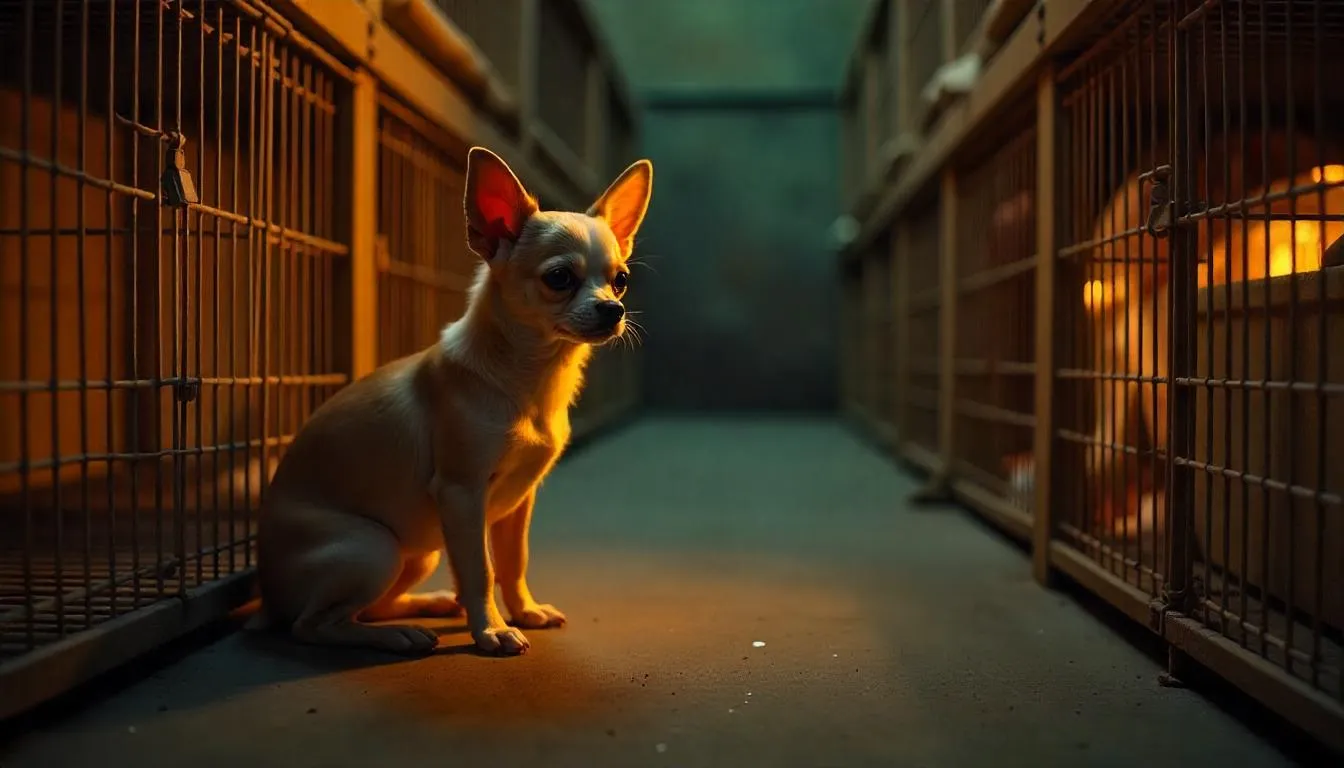
Picture this: you walk into an animal shelter and see row after row of kennels filled with tiny, trembling dogs with oversized personalities and even bigger hearts. These aren’t just any dogs—they’re Chihuahuas, and sadly, they represent a disproportionate number of shelter animals nationwide. The statistics are sobering: Chihuahuas are often labeled as the 2nd most common dog breed found in shelters, and of these breeds, Pit Bulls and Chihuahuas are most likely to be euthanized.
This comprehensive guide explores the complex web of factors contributing to Chihuahua overpopulation in shelters, from behavioral misconceptions to breeding practices, and reveals how you can help change the fate of these pint-sized companions. Understanding why these loyal dogs end up homeless is the first step toward creating lasting solutions that save lives.
The Shocking Numbers: Chihuahua Shelter Statistics
The shelter crisis affecting Chihuahuas is more severe than most people realize. While most dogs and cats entering shelters come in as strays (60% in 2024), followed by surrendered pets (29% in 2024) whose owners can no longer care for them due to unforeseen barriers, Chihuahuas face unique challenges that make them particularly vulnerable to abandonment and euthanasia.
Recent data reveals that these tiny dogs consistently rank among the top breeds found in American shelters, with their small size paradoxically making them big targets for surrender. The reasons behind these statistics paint a troubling picture of mismatched expectations, inadequate preparation, and societal misconceptions about what it means to own a toy breed.

Regional Hotspots and Demographic Patterns
Certain geographical areas experience higher concentrations of Chihuahua surrenders, particularly in the southwestern United States where the breed’s popularity surged in the early 2000s. Urban areas with high population density often see increased surrender rates, while rural communities struggle with limited resources for spay and neuter programs, contributing to overbreeding.
The demographic data shows that Chihuahua surrenders peak during specific times of the year, including post-holiday periods when impulse gift-giving results in unprepared households, and during economic downturns when families face financial hardship.
Top Reasons Behind Chihuahua Surrender: Understanding the Root Causes
Behavioral Challenges and Misconceptions
One of the primary drivers of Chihuahua surrender stems from behavioral issues that owners feel unprepared to handle. Aggression is the most common and most serious behavior problem in dogs. It’s also the number-one reason why pet parents seek professional help from behaviorists, trainers and veterinarians.
Chihuahuas often develop what experts call “Small Dog Syndrome,” where their diminutive size leads to overprotective behaviors and territorial aggression. Some Chihuahuas become possessive of their owners, biting and snapping when someone else approaches them and their owners. This behavior, while manageable with proper training, often overwhelms unprepared owners who expected a docile lap dog.
The breed’s natural tendency toward single-person bonding can create household tension when the dog shows aggression toward family members or visitors. Many owners misinterpret these behaviors as inherent personality flaws rather than trainable issues, leading to surrender rather than seeking professional help.
Impulse Adoption and Unrealistic Expectations
The “Paris Hilton effect” of the early 2000s created a surge in Chihuahua popularity, with many people adopting these dogs as fashion accessories rather than lifelong companions. This trend led to numerous impulse adoptions by individuals unprepared for the reality of dog ownership.
Many new owners expect Chihuahuas to be low-maintenance pets due to their size, not realizing these dogs require just as much attention, training, and veterinary care as larger breeds. When reality doesn’t match expectations, surrender often follows.

Health Issues and Veterinary Costs
Chihuahuas are prone to specific health conditions that can surprise unprepared owners with expensive veterinary bills. Common issues include:
- Luxating patella (kneecap dislocation)
- Heart murmurs and cardiac conditions
- Dental problems due to their small mouths
- Hypoglycemia (low blood sugar)
- Tracheal collapse
- Eye injuries and conditions
When faced with costly medical treatments, some owners choose surrender over treatment, particularly if they lack pet insurance or emergency savings for veterinary care.
Housing and Lifestyle Changes
Life transitions often trigger pet surrenders, and Chihuahuas aren’t immune to this pattern. Common scenarios include:
- Moving to pet-restricted housing
- New babies in the household
- Divorce or relationship changes
- Job loss or financial hardship
- Death or illness of the primary caregiver
While these dogs’ small size makes them seemingly adaptable to various living situations, their need for stability and routine can make them struggle with major household changes.
The Breeding Problem: Puppy Mills and Backyard Breeding
The proliferation of irresponsible breeding practices significantly contributes to Chihuahua overpopulation. Puppy mills and backyard breeders, drawn by the breed’s popularity and high selling prices, often prioritize profit over animal welfare.
These operations frequently produce dogs with poor socialization, health problems, and behavioral issues that become apparent after adoption. When these problems manifest, owners often feel deceived and unprepared, leading to surrender.
The cycle perpetuates when these bred-for-profit dogs aren’t spayed or neutered before sale, leading to accidental litters that further contribute to shelter populations.
The Social Media Factor
Instagram and TikTok have amplified the “cute factor” of Chihuahuas, leading to increased demand without corresponding education about responsible ownership. Viral videos of dressed-up Chihuahuas create unrealistic portrayals of the breed as living dolls rather than dogs with complex needs.
Breaking the Cycle: Solutions and Prevention Strategies
Education and Awareness Campaigns
Successful intervention requires comprehensive education about Chihuahua ownership before adoption occurs. This includes:
- Realistic expectations about behavior and training needs
- Financial planning for veterinary care
- Understanding the 12-15 year commitment required
- Proper socialization techniques from puppyhood
Improved Adoption Processes
Progressive shelters and rescue organizations are implementing more thorough screening processes, including:
- Mandatory waiting periods to prevent impulse adoptions
- Home visits and lifestyle assessments
- Post-adoption support and training resources
- Trial adoption periods with full support
Spay and Neuter Programs
Targeted spay and neuter initiatives in high-Chihuahua-population areas can significantly reduce future shelter intake. Mobile clinics and low-cost programs specifically addressing small breed needs help reduce accidental breeding.
Behavioral Support and Training
Providing adopters with immediate access to training resources and behavioral support prevents many surrenders. This includes:
- Puppy kindergarten classes specifically for small breeds
- Adult dog training programs addressing common Chihuahua behaviors
- Online resources and support groups
- Professional trainer referrals

The Adoption Advantage: Why Shelter Chihuahuas Make Amazing Companions
Despite their challenges, Chihuahuas from shelters often make exceptional pets for the right families. Many shelter dogs come with basic training, are already spayed or neutered, and have been evaluated for temperament.
Shelter Chihuahuas often show tremendous gratitude and loyalty to their adoptive families, forming incredibly strong bonds with their new owners. Their intelligence and eagerness to please make them highly trainable with consistent, positive methods.
Success Stories and Transformations
Countless rescue Chihuahuas have transformed from fearful, aggressive shelter dogs into beloved family companions. These success stories highlight the importance of patience, proper training, and understanding each dog’s individual needs.
Professional rehabilitation programs have shown remarkable success rates in transforming seemingly “unadoptable” Chihuahuas into confident, well-socialized pets ready for their forever homes.
How You Can Help: Taking Action for Shelter Chihuahuas
Direct Action Steps
- Consider adopting from shelters or breed-specific rescues
- Volunteer with local rescue organizations
- Foster dogs awaiting permanent homes
- Donate supplies, money, or time to shelter programs
- Advocate for spay/neuter programs in your community
Spreading Awareness
- Share accurate information about Chihuahua ownership
- Counter misconceptions about small dog behaviors
- Support responsible breeding practices
- Promote adoption over purchasing from pet stores or online sellers
Supporting Legislative Changes
Many communities benefit from legislation requiring:
- Mandatory spay/neuter for dogs not intended for breeding
- Licensing requirements for breeders
- Restrictions on pet store sales of puppy mill dogs
- Enhanced penalties for animal abandonment
Frequently Asked Questions About Chihuahuas in Shelters
Why are Chihuahuas so aggressive in shelters? Shelter environments can be stressful for any dog, but Chihuahuas’ natural protective instincts can be heightened by fear and anxiety. Many display defensive behaviors that aren’t representative of their true personalities once they decompress in a loving home.
Are shelter Chihuahuas harder to train than puppies? Not necessarily. Adult shelter dogs often learn faster than puppies because they have longer attention spans and may have some basic training already. The key is using positive, consistent training methods.
What should I expect when adopting a Chihuahua from a shelter? Expect an adjustment period of several weeks to months as your new dog decompresses. Many shelter Chihuahuas need time to trust and may initially show anxiety or fear-based behaviors that improve with patience and proper care.
How much does it cost to care for a rescued Chihuahua? Annual costs typically range from $500-$1,500, including food, basic veterinary care, and supplies. Budget for additional costs if health issues arise, as many shelter dogs have deferred medical needs.
Can Chihuahuas from shelters live with children? With proper introduction and training, many rescue Chihuahuas adapt well to families with children. However, they’re generally better suited to families with older children who understand how to interact gently with small dogs.
A Call to Action: Changing the Future for Shelter Chihuahuas
The heartbreaking reality of Chihuahua overpopulation in shelters isn’t insurmountable. Through education, responsible adoption practices, and community support, we can significantly reduce the number of these remarkable dogs facing euthanasia.
Every Chihuahua deserves a chance at a loving home, proper training, and a life filled with the companionship they crave. By understanding the complex factors that contribute to their shelter presence, we can make informed decisions that support both individual dogs and broader population management efforts.
The next time you’re considering adding a four-legged family member, remember that somewhere in a shelter, a Chihuahua is waiting for someone to see past the statistics and stereotypes to the loyal, intelligent, and loving companion within. Your choice to adopt, support, or advocate can literally save lives and help break the cycle that keeps too many of these amazing dogs in shelters.
Whether you’re ready to adopt, volunteer, or simply spread awareness, every action counts in creating a future where Chihuahuas are valued for their true qualities rather than abandoned for misconceptions. The power to change these statistics lies in our collective commitment to education, compassion, and responsible pet ownership.