
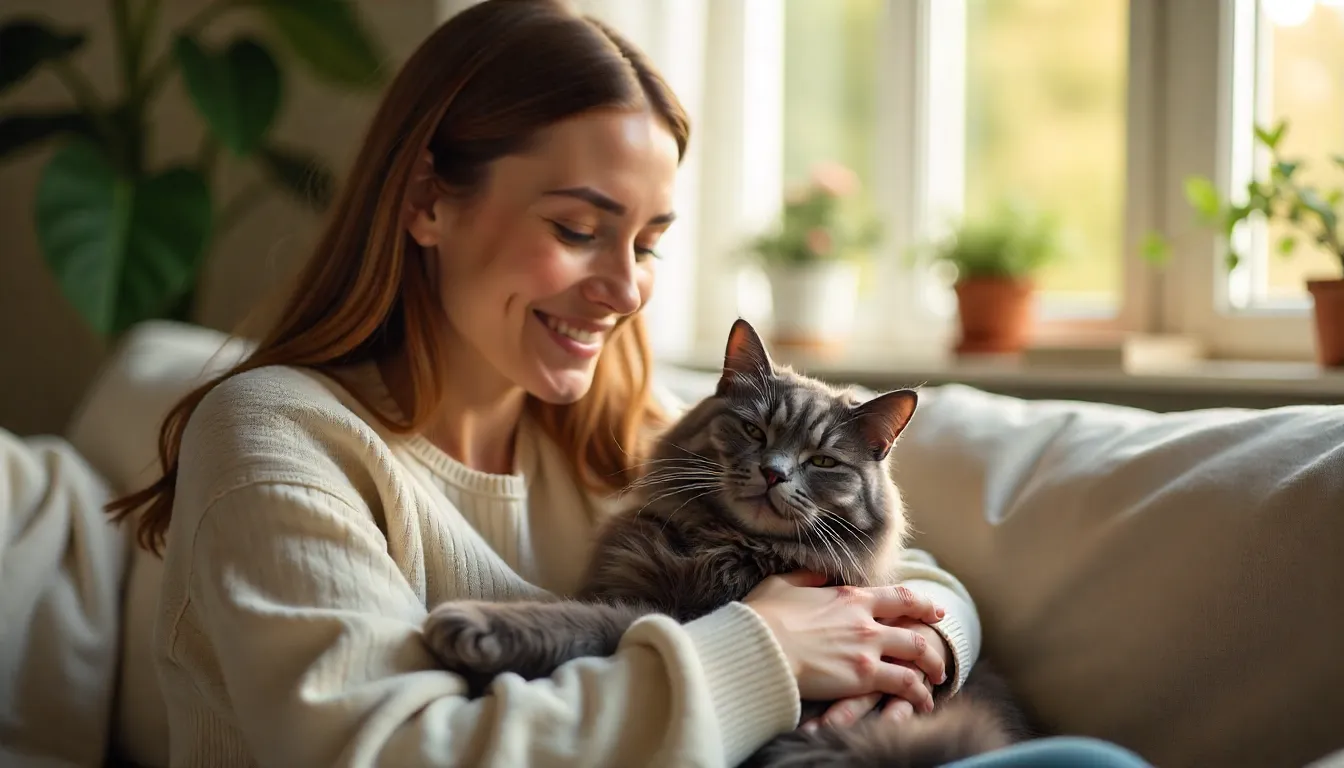

Why Adopting a Senior Cat Could Be Your Best Decision Yet
When you picture adopting a cat, you probably imagine a playful kitten tumbling over toys. But here’s something most shelters won’t tell you upfront: senior cats are some of the most overlooked yet rewarding companions you’ll ever find. While younger cats get adopted quickly, older felines—typically those seven years and above—wait months or even years for someone to give them a chance.
What if I told you that adopting a senior cat means skipping the chaos of kittenhood while gaining a grateful, mellow companion who already knows the house rules? This comprehensive guide reveals everything you need to know about welcoming an older cat into your home, from the unexpected benefits to practical health considerations that’ll help you make an informed decision.
The Surprising Advantages of Choosing an Older Cat

Established Personalities Make Perfect Matches
Unlike kittens whose personalities are still developing, senior cats have fully formed temperaments that shelter staff understand completely, allowing them to recommend the best match for your family. You’ll know immediately whether you’re bringing home a lap cat, an independent observer, or a social butterfly.
This transparency eliminates guesswork. Want a cuddly companion for movie nights? Looking for a calm presence that won’t disturb your work-from-home setup? Senior cats let you see exactly what you’re getting, making adoption far less risky than gambling on a kitten’s future personality.
Calmer Energy Levels Fit Modern Lifestyles
Older cats demonstrate greater emotional maturity and independence, knowing how to entertain themselves during your work hours without getting into trouble like kittens typically do. They won’t scale your curtains at 3 AM or knock your grandmother’s vase off the mantle while you’re in a Zoom meeting.
This mellower temperament makes senior cats ideal for:
- Working professionals with limited daytime availability
- Families with young children who need predictable pet behavior
- First-time cat owners seeking a low-maintenance introduction
- Seniors looking for companionship without excessive activity demands
Already Trained and Socialized
Here’s a game-changer: most senior cats already mastered litter box etiquette years ago. They understand boundaries, recognize their names, and often come with established routines that make integration seamless. No more cleaning up accidents or teaching basic manners—your senior cat graduated from that curriculum long ago.
Many older cats also adapted to various household scenarios. They’ve lived with dogs, children, or other cats, giving you valuable information about their compatibility with your existing family structure.

Understanding What “Senior” Really Means
Defining Senior Cat Age Categories
The term “senior cat” isn’t one-size-fits-all. Veterinarians typically classify cats into these life stages:
- Mature (7-10 years): Early senior stage with minimal age-related changes
- Senior (11-14 years): Noticeable but manageable aging signs
- Geriatric (15+ years): Advanced age requiring specialized care
Understanding these distinctions helps you set realistic expectations. A seven-year-old cat may have 10+ years ahead, while a 14-year-old might need more immediate medical attention.
Life Expectancy Considerations
Indoor cats commonly live 15-20 years, with many reaching their early twenties. Adopting a 10-year-old doesn’t mean signing up for just two years together—you could enjoy a decade of companionship. Advances in veterinary medicine have extended feline lifespans significantly, making senior adoption a longer-term commitment than many assume.
Health and Medical Realities You Should Expect
Senior cats may be more prone to eye discharge and other issues — see our guide on cat eye boogers for prevention tips.
Common Senior Cat Health Issues
Being realistic about potential health challenges prepares you for successful senior cat ownership. Older cats may develop:
Chronic Kidney Disease: The most common condition affecting senior felines, manageable through specialized diets and medications
Dental Disease: Often requires professional cleaning but significantly improves quality of life once addressed
Arthritis: Limits mobility but responds well to pain management and environmental modifications
Hyperthyroidism: Easily treatable with medication or dietary changes
Diabetes: Manageable through insulin therapy and diet adjustment
The key word here is “manageable.” Most senior cat conditions respond well to treatment, allowing your cat to maintain excellent quality of life for years.
Veterinary Care Costs and Budgeting
Let’s talk numbers because transparency matters. Routine veterinary visits for cats typically cost between $53 and $150 during regular working hours, though senior cats may require more frequent check-ups—usually every six months instead of annually.
Budget for these potential expenses:
- Biannual wellness exams: $100-$300 annually
- Blood work screening: $100-$200 per visit
- Dental cleaning: $200-$500 (often one-time or infrequent)
- Prescription medications: $20-$100 monthly
- Special senior diet: $30-$60 monthly
Consider pet insurance or establishing a dedicated savings account. Many insurance plans cover senior cats, though premiums may be higher. Alternatively, some shelters include initial veterinary care, vaccinations, and spay/neuter services in adoption fees, providing immediate value.
Preventive Care Makes a Difference
Don’t wait for problems to emerge. Proactive healthcare catches issues early when they’re most treatable and least expensive. Schedule that first wellness exam within two weeks of adoption, even if your cat seems perfectly healthy. Baseline blood work establishes normal values for your individual cat, making future comparisons more accurate.
Preparing Your Home for a Senior Cat
Essential Environmental Modifications
Creating a senior-friendly environment doesn’t require major renovations—just thoughtful adjustments:
Accessibility First: Place litter boxes on every floor to minimize stairs. Choose low-sided boxes for cats with arthritis. Position food and water bowls at comfortable heights.
Comfortable Resting Spots: Invest in orthopedic beds placed in warm, quiet areas. Heated beds work wonders for arthritic cats, especially during colder months.
Safe Climbing Options: If your senior cat still enjoys heights, provide sturdy pet stairs or ramps to favorite perches. This prevents dangerous jumps that could injure aging joints.
Temperature Control: Older cats struggle regulating body temperature. Maintain consistent indoor warmth and provide cozy blankets in their favorite spots.
For easier maintenance, consider using automatic litter boxes for cats to simplify cleanup
Creating a Stress-Free Transition
Senior cats often take longer adjusting to new environments than kittens. Set them up for success:
Start with a quiet “base camp” room containing everything they need. This prevents overwhelming them with your entire house immediately. Gradually expand their territory over several weeks as confidence builds.
Maintain consistency in feeding schedules, litter box locations, and daily routines. Senior cats find comfort in predictability, which reduces stress-related health issues during transition.
The Emotional Rewards of Senior Cat Adoption
Unmatched Gratitude and Bonding
There’s something profoundly special about the bond formed with a rescued senior cat. These animals seem to understand they’ve been given a second chance. Adopted senior cats often demonstrate immense love and gratitude, creating connections that run surprisingly deep.
Your senior cat won’t take you for granted. They’ll greet you at the door, curl up beside you during quiet evenings, and offer the kind of steady companionship that only comes with age and experience.
You’re Saving a Life—Literally
Here’s the uncomfortable truth: senior cats face the highest euthanasia rates in shelters. Space limitations and the preference for younger cats means older felines often run out of time. By choosing a senior cat, you’re not just adding a pet—you’re directly saving a life that might otherwise end prematurely.
This act of compassion creates a unique emotional satisfaction. You’ll know that you made a tangible difference in an animal’s life during their most vulnerable time.
Practical Adoption Tips and Where to Find Senior Cats

Before adoption, brush up on cat body language so you can better understand your new feline’s cues.
Finding Your Perfect Senior Match
Animal Shelters and Rescues: Most shelters maintain separate senior cat programs with reduced adoption fees. Staff members intimately know each cat’s personality and can guide you toward compatible matches.
Breed-Specific Rescues: Looking for a particular breed? Many breed-specific organizations rescue senior cats from various situations.
Foster-to-Adopt Programs: Some organizations offer trial periods, letting you ensure compatibility before finalizing adoption. This option provides peace of mind, especially for first-time senior cat adopters.
Questions to Ask Before Adopting
Don’t leave the shelter without this crucial information:
- What’s their complete medical history and current health status?
- Do they have any diagnosed chronic conditions requiring ongoing treatment?
- What’s their behavior like with other pets and children?
- What are their dietary preferences and restrictions?
- Do they have any behavioral quirks or triggers you should know about?
- What’s included in the adoption fee (vaccinations, spay/neuter, microchipping)?
Understanding Adoption Fees and What They Cover
Senior cat adoption fees typically range from $25 to $150, often significantly less than kitten adoptions. These fees usually include spaying/neutering, current vaccinations, microchipping, and sometimes initial veterinary exams—services worth several hundred dollars individually.
Many shelters run special promotions for senior pets, occasionally waiving fees entirely during adoption events. These deals don’t reflect the cat’s value but rather the shelter’s commitment to finding homes for older animals.
Making the Long-Term Commitment Work

Integrating Senior Cats with Existing Pets
Older cats generally tolerate other pets better than kittens, and many shelters facilitate introductions between your resident cat and adoptable seniors before finalization. This preview helps ensure compatibility and reduces the risk of adoption failure.
Introduce pets gradually using scent swapping and controlled visual contact before allowing direct interaction. Senior cats’ calmer demeanor often makes them easier to integrate than energetic kittens who might irritate established household pets.
Building a Support Network
Connect with veterinarians specializing in feline medicine, particularly those experienced with senior cat care. Join online communities of senior cat adopters where you can share experiences, ask questions, and receive support from people who understand the unique joys and challenges.
When to Seek Professional Help
Watch for these red flags requiring immediate veterinary attention:
- Sudden changes in litter box habits
- Dramatic weight loss or gain
- Reduced appetite lasting more than 24 hours
- Increased vocalization, especially at night
- Difficulty jumping or signs of pain when moving
- Behavioral changes like hiding or aggression
Early intervention prevents minor issues from becoming major health crises.
Your Next Steps Toward Senior Cat Adoption
Adopting a senior cat isn’t settling for second-best—it’s choosing a companion who offers immediate gratification without the unpredictability of kittenhood. These experienced felines bring calm presence, established personalities, and genuine appreciation for their second chance.
Visit your local shelter this week. Spend time with senior cats available for adoption. Ask questions, interact with different personalities, and you might discover that the perfect companion has been waiting for someone exactly like you.
The cat sitting quietly in the back of the senior section isn’t damaged goods or a consolation prize. They’re a hidden gem—a fully formed personality ready to slot seamlessly into your life and offer years of devoted companionship. All they need is someone willing to look past the gray whiskers and see the incredible friend underneath.
Ready to meet your senior match? Contact these resources:
- Local animal shelters and humane societies
- Senior cat-specific rescue organizations
- Breed-specific rescue groups
- Foster-to-adopt programs in your area
Your future best friend is waiting. And they’re probably older, wiser, and more wonderful than you ever imagined.


