The Silent Suffering: How to Tell if Your Cat Is in Pain
12 Critical Warning Signs You Can’t Ignore
Cats are masterful at hiding their pain—a survival instinct that served them well in the wild but creates a dangerous challenge for modern pet owners. Unlike dogs who openly display discomfort, your feline companion could be experiencing excruciating pain right now, and you might not even notice. This comprehensive guide reveals the subtle yet critical signs that indicate when your cat needs immediate attention, potentially saving them from unnecessary suffering.
Understanding feline pain behavior isn’t just about comfort—it’s about preventing serious health complications and ensuring your cat lives their best life. By the end of this article, you’ll have the knowledge to detect pain early, understand what causes it, and know exactly when to seek professional help.
Why Cats Hide Pain: The Evolutionary Mystery Explained
Cats have evolved to mask pain and discomfort as a survival mechanism. In the wild, showing vulnerability signals weakness to predators and competitors, making an injured cat an easy target. This evolutionary trait means your domestic cat instinctively conceals discomfort, even from those they trust most.
Modern veterinary pain management specialists operate under a crucial principle: “assume pain” when treating cats with diagnosed medical conditions. This approach acknowledges that cats are likely experiencing more discomfort than their behavior suggests.
Recent studies reveal that pet owners significantly underestimate their cats’ pain levels, with up to 70% of cats showing silent signs of chronic discomfort that go unrecognized. This hidden suffering can last months or even years without proper intervention.
12 Critical Signs Your Cat Is in Pain
1. Dramatic Activity Level Changes
The most telling indicator of feline pain is a sudden shift in activity patterns. Changes in your cat’s behavior are usually the earliest signs of pain, making this your first line of detection.
Decreased Activity Signs:
- Sleeping significantly more than their usual 12-16 hours daily
- Reluctance to jump onto favorite perches or furniture
- Avoiding stairs or elevated areas they previously accessed easily
- Shortened play sessions or complete disinterest in toys
Increased Restlessness Signs:
- Repetitive getting up and lying down cycles
- Inability to get comfortable when at rest or trying to lie down
- Pacing behavior, especially at night
- Constant position shifting during sleep

2. Self-Mutilation and Excessive Grooming
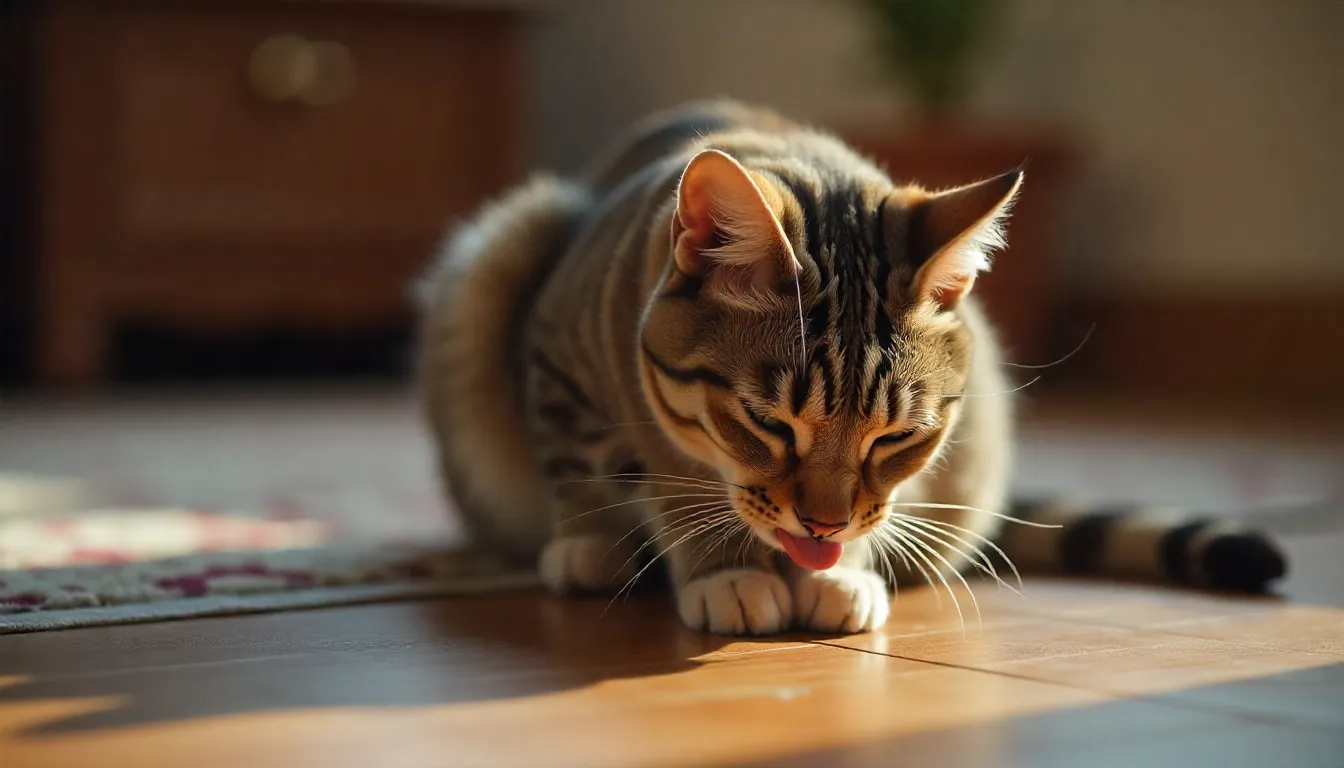
Cats experiencing localized pain often develop obsessive licking or biting behaviors targeting the affected area. This seemingly innocent grooming can escalate into serious self-trauma, including:
- Open wounds from excessive licking
- Hair loss in specific body regions
- Red, inflamed skin patches
- Secondary bacterial infections from over-grooming
Watch for areas your cat suddenly starts favoring with their tongue—this pinpoints pain locations with remarkable accuracy.
3. Unusual Vocalizations: Beyond Obvious Distress
Most of us know that a hissing or growling cat is an unhappy cat, but did you know that meows and purrs can be signs of a cat in pain? Understanding these vocal changes requires careful attention:
Pain-Related Sounds:
- Increased frequency of meowing, especially at night
- Purring when frightened or hurting, particularly true for cats with easygoing or gentle personalities
- More urgent and unpleasant sounding vocalizations than normal
- Silence from previously vocal cats
The key is recognizing changes from your cat’s normal vocal patterns rather than focusing solely on obvious distress calls.
4. Disrupted Daily Routines and Habits
Pain dramatically impacts a cat’s ability to maintain their established routines. These disruptions often appear gradually, making them easy to dismiss initially:
Eating Pattern Changes:
- Sudden appetite loss or reluctance to approach food bowls
- Difficulty chewing or swallowing
- Preference for soft foods when they previously enjoyed dry kibble
- Eating from unusual positions or locations
Litter Box Issues:
- Accidents outside the litter box after years of perfect habits
- Difficulty entering or exiting high-sided boxes
- Avoiding or having difficulty engaging in scratching behaviors
- Changes in elimination frequency
5. Posture and Movement Alterations
Pay close attention to their gait and stance to spot subtle signs of a problem. Feline pain manifests through distinctive physical changes:
Pain-Indicating Postures:
- Hunched back with tucked abdomen (indicates abdominal pain)
- Keeping legs tucked up underneath instead of stretching out on their side
- Reluctance to stretch or perform typical cat poses
- Protective positioning around specific body areas
Movement Pattern Changes:
- Limping or favoring certain limbs when walking
- Slow, deliberate movements replacing fluid feline grace
- Obvious trouble walking
- Hesitation before jumping or climbing
6. Facial Expression Changes: The Feline Grimace Scale
The Feline Grimace Scale is a tool for assessment of acute pain in cats based on changes in facial expression. Researchers have categorized five facial action units indicative of pain in cats: ear position, orbital tightening, muzzle tension, whisker position, and head position.

Pain-Related Facial Signs:
- Ear position changes—ears pulled back or flattened
- Orbital tightening around the eyes
- Muzzle tension and tight facial muscles
- Vacant or glazed expression
- Whisker position changes—pulled back against the face
A score of 4 or above on the Feline Grimace Scale is taken to mean that the cat is in pain, providing veterinarians with an objective assessment tool.
7. Behavioral and Social Changes
Pain dramatically affects feline social behavior, often in ways that mirror human responses to chronic discomfort:
Social Withdrawal:
- Hiding under beds, in laundry piles, or other secluded areas
- Avoiding family interactions and social activities
- Less interaction with family members
- Reluctance to sit on laps or seek attention
Personality Shifts:
- A normally friendly cat that is suddenly hissing, swatting, and biting may be a cat in pain
- Becoming more irritable or withdrawn
- Increased sensitivity to touch or handling
- Reluctance to let you touch specific areas
8. Respiratory Changes
A cat in pain may breathe faster or shallower when experiencing pain. Unlike dogs, cats rarely pant under normal circumstances, making respiratory changes particularly significant:
Breathing Pattern Indicators:
- Faster or shallower breathing when experiencing pain
- Noticeable changes in stomach and chest muscle movement during breathing
- Panting while at rest (immediate veterinary attention required)
- Labored breathing during minimal activity
How to Monitor: Count your cat’s breaths for 15 seconds when they’re asleep (at rest), then multiply by four to get their resting respiratory rate. Normal rates range from 15-30 breaths per minute.
9. Grooming Habit Disruption
Cats typically spend 30-50% of their waking hours grooming, making changes in this behavior highly significant. Pain can affect a cat’s ability and motivation to maintain normal grooming habits:
Grooming-Related Pain Signs:
- Matted or unkempt coat appearance
- Inability to reach certain body areas for cleaning
- Reduced grooming frequency leading to oily or dirty fur
- Strong odors due to decreased self-cleaning
Arthritis and joint pain commonly prevent cats from contorting into normal grooming positions, making coat condition an excellent indicator of musculoskeletal discomfort.
10. Sleep Pattern Disruptions
Pain significantly impacts feline sleep quality and patterns. While cats normally sleep 12-16 hours daily, pain alters both quantity and quality of rest:
Sleep-Related Pain Indicators:
- Frequent waking during normal sleep periods
- Difficulty finding comfortable sleeping positions
- Sleeping in unusual locations or positions
- Excessive sleeping as an escape from discomfort
11. Temperature and Touch Sensitivity
Cats in pain often develop heightened sensitivity to temperature changes and physical contact:
Sensitivity Signs:
- Seeking warm spots more frequently than usual
- Reluctance to venture outdoors in normal weather
- Adverse reactions to gentle petting or brushing
- Preference for specific surface textures when resting
12. Eye and Pupil Changes
Physiological changes, such as increased heart and respiratory rates, can occur in cats experiencing acute pain. The eyes provide additional pain indicators:
Ocular Pain Signs:
- Dilated pupils during normal lighting conditions
- Squinting or keeping eyes partially closed
- Excessive tearing or discharge
- Avoiding bright lights or sunny areas
To understand more about how the eyes can indicate deeper health issues—and what to do when you spot unusual discharge—read our full guide on cat eye boogers and how to keep your feline friend’s eyes healthy.
Common Conditions That Cause Cat Pain
Understanding which medical conditions typically cause pain helps you recognize when to be especially vigilant:
High-Pain Conditions:
- Arthritis (affects up to 90% of cats over 12 years old)
- Dental disease and tooth decay
- Urinary tract infections and blockages
- Cancer and tumors
- Inflammatory bowel disease
- Bone fractures or injuries
Moderate-Pain Conditions:
- Skin infections and allergies
- Ear infections
- Eye injuries or infections
- Digestive issues and constipation
What NOT to Do: Dangerous Pain Management Mistakes
Never attempt to treat your cat’s pain with human medications. Cats metabolize medication differently and can die from something as benign to humans as acetaminophen (Tylenol). Common household pain relievers that are toxic to cats include:
- Acetaminophen (Tylenol) – potentially fatal
- Ibuprofen (Advil, Motrin) – causes kidney and stomach damage
- Aspirin – leads to poisoning and organ failure
- Naproxen (Aleve) – extremely dangerous for cats
When to Seek Veterinary Care
Immediate Emergency Signs:
- Constant vocalizations or signs of severe pain like biting
- Complete loss of appetite for 24+ hours
- Inability to urinate or defecate
- Panting while at rest
- Collapse or extreme lethargy
Schedule Veterinary Appointment:
- If your cat shows signs of pain like limping or posture changes but otherwise seems normal, wait 24 hours to see if things improve
- Gradual behavior changes over several days
- Subtle grooming or activity changes
- Any combination of multiple pain signs
Modern Treatment Options for Cat Pain
Veterinary pain management for cats has advanced significantly, offering numerous effective options:
Prescription Medications:
- Opioid pain relievers for severe acute pain
- Non-steroidal anti-inflammatory drugs (NSAIDs) specifically formulated for cats
- Gabapentin for chronic pain conditions
- Tramadol for moderate to severe pain
Alternative Therapies:
- Acupuncture and acupressure
- Physical therapy and massage
- Laser therapy for joint pain
- Joint supplements and nutraceuticals
Environmental Modifications:
- Heated beds and warm areas for arthritic cats
- Lower-entry litter boxes
- Ramps or steps to favorite resting spots
- Softer bedding and cushioned surfaces
Creating a Pain-Free Environment
Home Modifications for Painful Cats:
- Install ramps to elevated feeding areas
- Provide multiple low-sided litter boxes throughout the house
- Use orthopedic bedding with memory foam support
- Maintain consistent room temperatures
- Place food and water bowls at comfortable heights
Daily Care Adjustments:
- Gentle brushing to help with grooming
- Regular nail trims to prevent overgrowth
- Soft food options for dental pain
- Quiet, stress-free environments
Long-Term Pain Management Strategy
Monitoring and Documentation:
- Keep a daily log of your cat’s behavior patterns
- Photograph any physical changes for veterinary visits
- Track eating, drinking, and elimination habits
- Note response to weather changes or environmental factors
Regular Veterinary Assessment:
- Senior cats (7+ years) should have bi-annual health examinations
- Discuss pain management options during routine visits
- Consider bloodwork to monitor organ function during pain medication use
- Schedule dental cleanings to prevent painful dental disease
Your Cat’s Pain-Free Future
Recognizing pain in cats requires patience, observation, and understanding of subtle behavioral changes. By monitoring these 12 critical signs and maintaining open communication with your veterinarian, you can ensure your feline companion lives comfortably throughout their life.
Remember that pain recognition is just the beginning—effective treatment options exist for virtually every type of feline pain. Your vigilance and quick action when you notice these warning signs can transform your cat’s quality of life and strengthen the bond you share.
The next time you observe your cat, look beyond their stoic exterior to the subtle signals they’re sending. Your attention to these details could be the key to unlocking years of comfortable, pain-free living for your beloved feline friend.