
Seasonal Care Tips for Small Pets: Keeping Your Pet Healthy Year-Round
Seasonal care for small pets is crucial for their health and happiness. Different seasons bring unique challenges that can affect pets, including changes in weather, allergies, and the risk of injury. To ensure their well-being, pet owners must adapt their care routines to meet the needs of their small pets throughout the year.
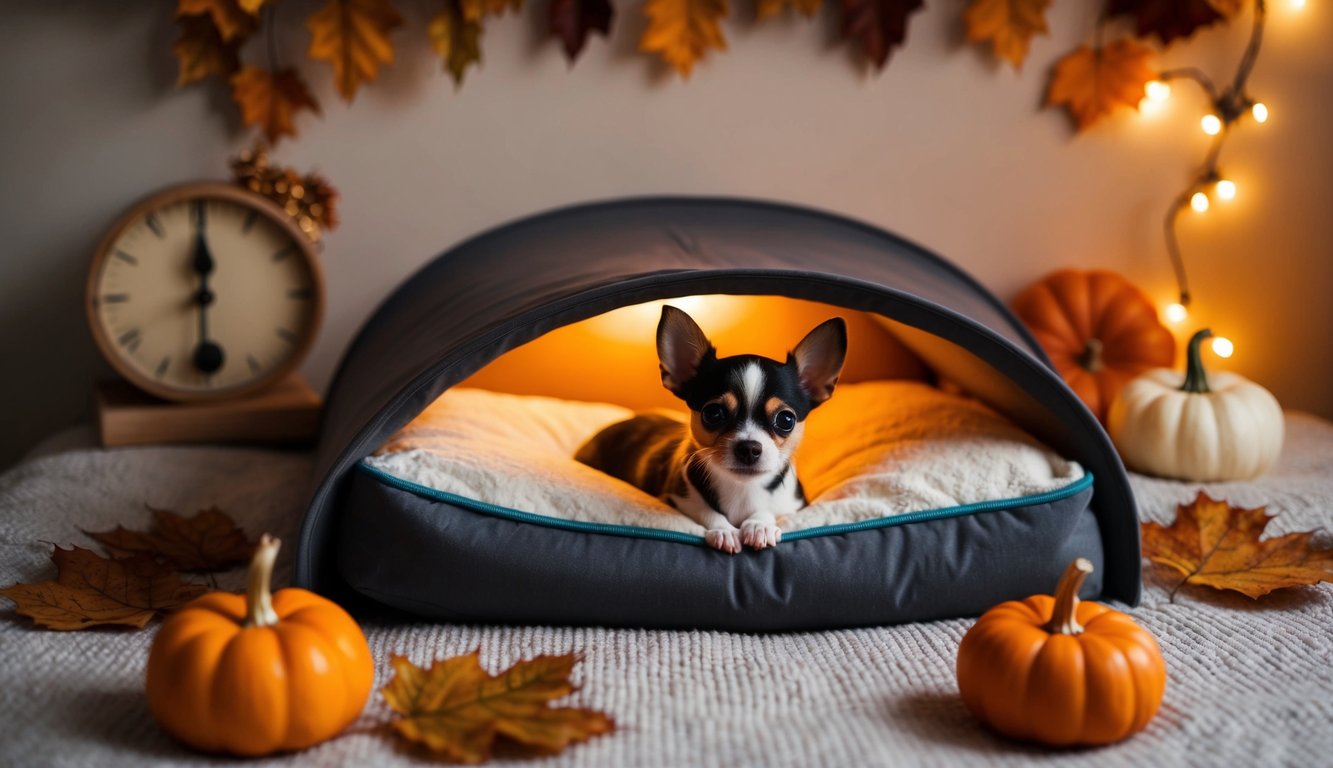
In winter, it’s important to protect pets from the cold. Small pets, especially those with short fur, require extra warmth and should have cozy bedding or clothing when going outside. Spring brings its own set of challenges, such as allergies and parasites that can affect small pets’ comfort and health. Awareness and proper preventive measures are key in addressing these issues.
As the seasons change, so must the approach to caring for small pets. Observing their behaviors and health can help identify what they need at different times of the year. By staying informed and proactive, pet owners can ensure their furry companions stay safe and content no matter the season.
Understanding Seasonal Changes in Small Pets

Seasonal changes have distinct effects on the wellbeing of small pets. Understanding these effects can help pet owners make necessary adjustments to care routines, ensuring their pets stay healthy and comfortable throughout the year.
Effects of Seasonal Changes
Temperature shifts can significantly impact small pets. For instance, during winter, pets might feel cold, especially short-haired breeds. Owners should provide warm bedding or even pet sweaters to keep them comfortable.
In spring and summer, increased temperatures can lead to overheating. It’s essential to provide plenty of fresh water and shaded areas for pets. Owners should monitor their pets for signs of heat stress, which can include excessive panting or lethargy.
Autumn brings shedding as pets transition from their summer coats. Regular grooming will manage this shedding and prevent matting. Additionally, pets may experience some seasonal allergies due to falling leaves and pollen.
Seasonal Health Concerns
Cold weather presents several risks. Small pets can suffer from frostbite, especially those with delicate skin or thin fur. It is crucial to limit outdoor time during very cold days.
In spring, pets may encounter increased wildlife, which can introduce parasites like fleas and ticks. Regular veterinary checks are essential to manage these risks, along with preventive treatments.
Managing seasonal anxiety is another key concern. Some pets may feel stressed by changes in routine or environment. Introducing calming products like natural supplements or ensuring a stable routine can help mitigate anxiety during seasonal transitions.
Seasonal Pet Care Essentials

Seasonal pet care is vital for ensuring the health and happiness of small pets. Changes in weather can affect their needs and well-being. Here are key tips for each season to help pet owners provide the best care.
Spring Pet Care
Spring brings warmer weather and more outdoor activities. Pet owners should watch for signs of allergies, which can appear as itchy skin or watery eyes. Regular grooming helps remove pollen and other allergens from a pet’s fur.
Flea and tick prevention is essential during this season. This is when these pests begin to emerge. Regular veterinarian check-ups can help identify any allergies and ensure proper preventive measures are in place.
As spring is also a time for new beginnings, owners should consider scheduling vaccinations. Springtime outings do require pet owners to keep an eye on their pets, especially near new plants or flowers that could be harmful.
Summer Pet Care
Summer heat can be challenging for small pets. It’s important to provide plenty of fresh water and shade. Avoid long walks during peak sun hours to prevent overheating.
Brushing pets regularly helps keep their fur ventilated. This is especially important for those with thick coats. Owners should also be mindful of signs of heat exhaustion, such as excessive panting.
Flea and tick prevention remains critical in summer. Owners should check their pets regularly for these pests, especially after outdoor activities. Vet check-ups can ensure pets receive necessary treatments and stay healthy.
Winter Pet Care
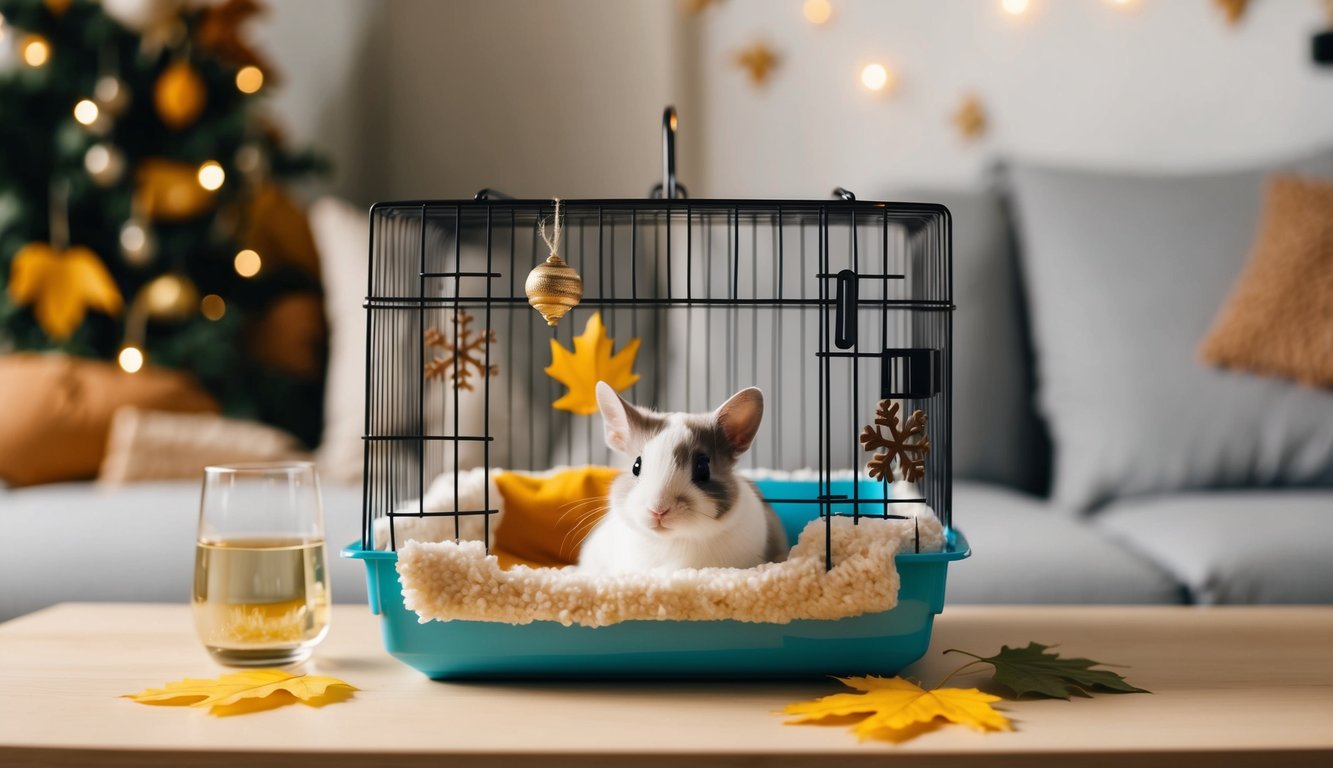
Winter can pose unique challenges for small pets. While many pets may have fur to keep them warm, not all breeds are suited for cold weather. Owners need to provide cozy bedding and indoor warmth.
Outdoor walks should be shorter and less frequent. If taking pets outside, owners should consider protective wear, such as coats and booties, to prevent cold injuries.
Dry indoor air in winter can also affect pets. Using a humidifier can help maintain moisture. Regular vet check-ups during this season can help monitor for dry skin or other winter-related health issues.
Creating a Comfortable Environment

To keep small pets happy and healthy, ensuring a comfortable environment is crucial. This involves both indoor comfort measures for pets that stay inside and protective steps for pets that are outdoors. Each setting requires specific attention to detail.
Indoor Comfort Measures
Indoor pets need a cozy and secure space to thrive. Provide a warm, quiet area where they can relax undisturbed. Soft bedding or blankets in their favorite spots can enhance comfort.
Temperature Control: Keep the indoor temperature stable. Avoid extreme heat or cold. A comfortable range is typically between 68°F and 72°F.
Safety Checks: Remove small objects that pets might chew or swallow. Ensure that electrical cords and plants are out of reach.
Paw Care: Protect their paws with proper indoor surfaces. Hardwood floors can be slippery. Paw balm can help soothe and protect paws against rough surfaces.
Protecting Outdoor Pets
Outdoor pets face different challenges. They require special care, especially during extreme weather conditions.
Shelter: Provide a warm and dry shelter to protect against the elements. Insulation helps keep them safe from cold air.
Clothing: Small and short-haired breeds may need jackets during winter. Ensure the clothing fits properly and does not hinder movement.
Paw Protection: Cold surfaces and salt on sidewalks can harm their paws. Use paw balm to shield their paws from freezing temperatures and rough ground.
Limit Time Outdoors: Especially in harsh weather, limit outdoor time to prevent stress or discomfort.
Preventative Health Measures
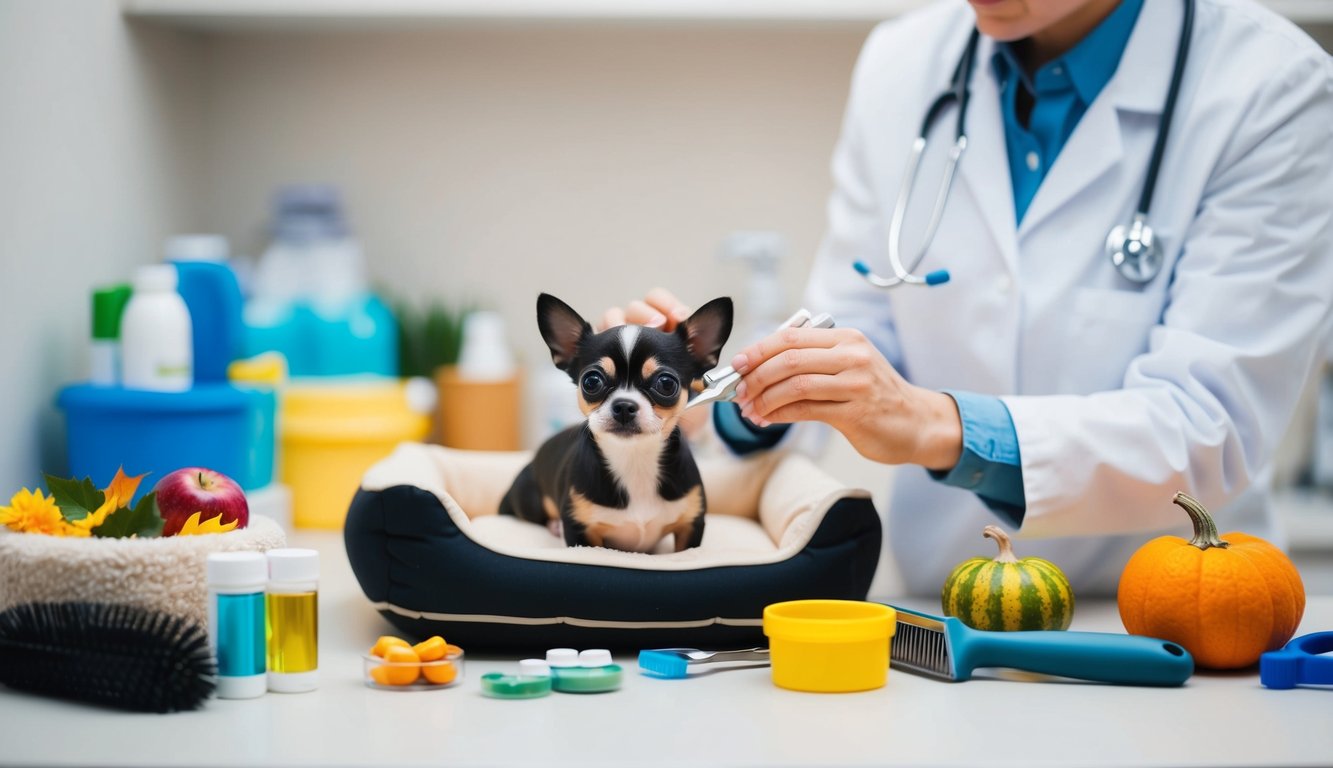
Preventative health measures are essential for keeping small pets healthy throughout the seasons. This includes monitoring for allergies and sensitivities, as well as preparing for flea and tick infestations. Proper care can prevent various health issues and improve the overall quality of life for pets.
Allergies and Sensitivities
Pets can suffer from allergies just like humans. Some common allergens include pollen, dust mites, and certain foods. Pet owners should watch for signs like itching, sneezing, or skin irritations.
To help manage allergies:
- Keep Environment Clean: Regularly vacuum and dust living areas to reduce allergens.
- Frequent Bathing: Bathing pets with hypoallergenic shampoos can minimize irritation.
- Diet Management: Consult a veterinarian about potential food allergies and appropriate diets.
If allergies persist, a vet can recommend tests or treatments to alleviate discomfort.
Flea and Tick Readiness
Fleas and ticks pose significant risks to small pets. They can cause not only irritation but also transmit diseases. Early prevention is crucial.
Preventative measures include:
- Regular Treatments: Use veterinarian-recommended flea and tick preventatives at the start of the season.
- Routine Checks: Examine pets after outdoor activities. Look in areas like ears, armpits, and underbellies.
- Clean Home Environment: Wash pet bedding and vacuum regularly to remove fleas and their eggs.
By implementing these preventative strategies, pet owners can greatly reduce the likelihood of flea and tick infestations and keep their pets safe and healthy.