Pyoderma in Dogs: Understanding Causes, Symptoms, and Treatment Options
Pyoderma in dogs is a common skin infection that primarily results from bacteria. This infection can lead to symptoms such as pustules, crusty skin, and itching, causing distress for both the dog and its owner. Understanding the causes and signs of pyoderma is essential to provide effective treatment and care.
Many factors can contribute to the development of pyoderma, including allergies, parasites, and other underlying health issues. While it can affect dogs of any age, early recognition plays a key role in successful recovery. Knowing how to identify the symptoms and seek proper veterinary care can help maintain a dog’s overall health.
In addition to treatment options like antibiotics and medicated shampoos, good hygiene practices can significantly reduce the risk of this infection. Educating oneself about pyoderma can empower pet owners to protect their furry friends from this uncomfortable condition.
Understanding Pyoderma
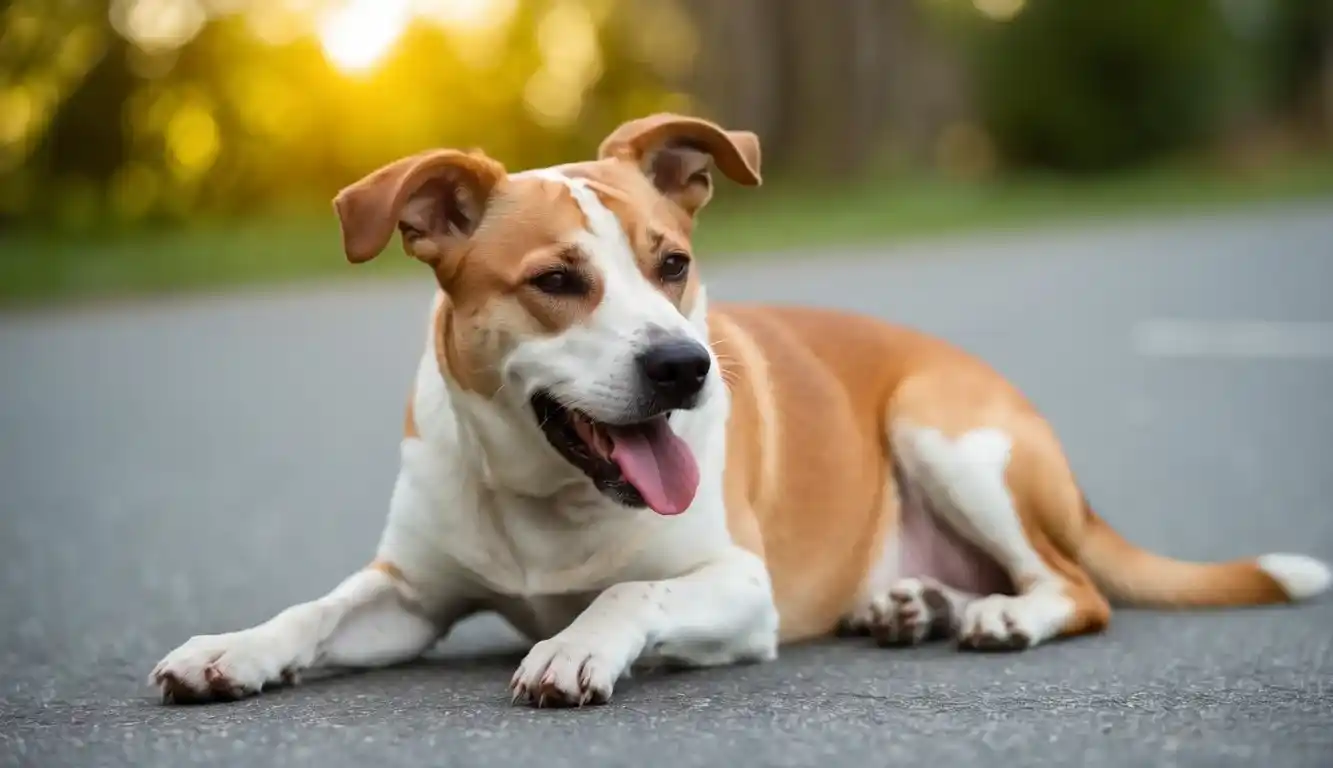
Pyoderma is a common skin condition in dogs, often linked to underlying health issues. Recognizing its types and symptoms is crucial for effective treatment and care.
Types of Pyoderma
There are several types of pyoderma, including superficial pyoderma, deep pyoderma, and surface pyoderma.
- Superficial Pyoderma: This is the most common form. It affects the top layer of skin and is characterized by pustules and crusts. Conditions like impetigo and acne are examples.
- Deep Pyoderma: This type penetrates deeper layers, leading to severe symptoms such as cellulitis and furunculosis. It usually requires systemic treatment and can be more challenging to diagnose.
- Surface Pyoderma: This occurs mainly on areas with friction, like the armpits or between the toes. It can lead to dryness and skin irritation.
Understanding the types helps in identifying the best treatment approach.
Common Symptoms
Symptoms of pyoderma can vary in severity and presentation. Key signs include:
- Itchy Skin: Dogs may scratch or bite at affected areas.
- Redness: Skin often shows signs of irritation or inflammation.
- Swelling: Affected areas can become swollen or puffy.
- Pustules and Crusts: These may form on the skin, leading to further irritation.
- Bald Patches: Loss of fur, particularly in localized areas, is common.
- Odor: An unpleasant smell can develop as the condition worsens.
Recognizing these symptoms early can lead to prompt veterinary care, which is essential for recovery.
Causes and Risk Factors

Several factors contribute to the development of pyoderma in dogs. Understanding these elements helps in preventing this skin condition and ensuring timely treatment.
Impact of Allergies
Allergies present a significant risk factor for pyoderma. Dogs can be allergic to various substances, including food ingredients, dust, or pollen. Food allergies often trigger skin reactions, leading to itchiness and irritation.
When dogs scratch or lick affected areas, this can damage the skin barrier. A compromised barrier allows bacteria to enter, increasing the risk of infection. Additionally, contact allergies from chemicals or fabrics can also cause similar skin issues, adding to the likelihood of pyoderma.
Role of Parasites
Parasites such as fleas, ticks, and mites play a crucial role in causing pyoderma. Fleas, in particular, can lead to flea allergy dermatitis, which causes severe itching and skin damage.
When a dog is infested with parasites, it often results in excessive scratching. This scratching can create small wounds where bacteria can thrive. In some cases, skin mites like Sarcoptes can cause intense itching and further skin problems, increasing the chance of bacterial infections.
Influence of Hormonal Imbalance
Hormonal imbalances like hypothyroidism and hyperadrenocorticism (Cushing’s disease) can significantly affect skin health. Hypothyroidism can lead to skin thinning, making it less resistant to infections.
On the other hand, Cushing’s disease causes excess cortisol production, which can suppress the immune system. A suppressed immune system makes it harder for the body to fight off bacterial infections. Both conditions can lead to increased susceptibility to pyoderma, emphasizing the importance of regular vet check-ups for early detection and treatment.
Diagnostic Techniques
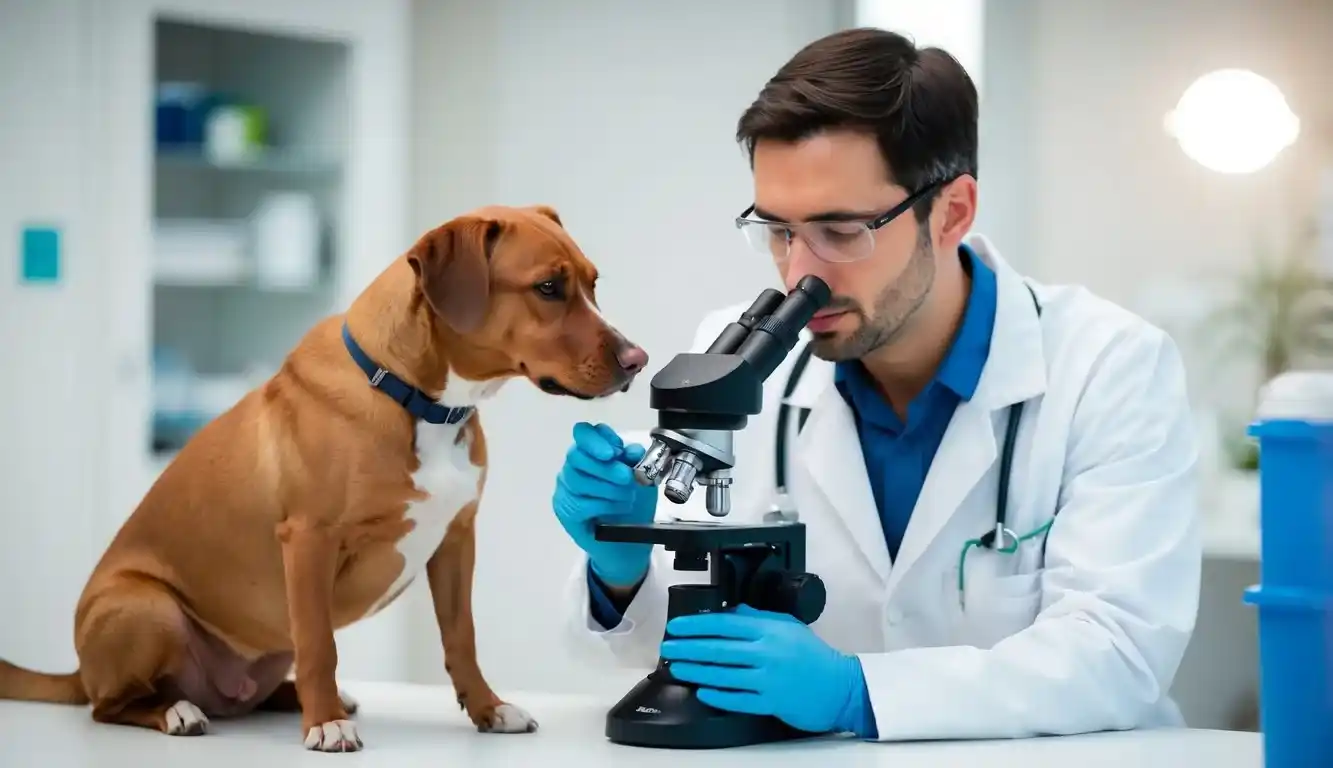
Diagnosing pyoderma in dogs involves various methods that help identify the specific type of infection. The techniques used include skin culturing methods to detect bacteria and advanced imaging procedures for deeper skin issues.
Skin Culturing Methods
Skin culturing is essential for identifying the bacteria causing pyoderma. Cytology is often the first step. A veterinarian takes a sample from the affected area and examines it under a microscope. This can reveal the presence of bacteria, yeast, or inflammatory cells.
Bacterial cultures are another important method. Samples are taken and grown in a lab to identify specific bacteria like Staphylococcus intermedius. Testing for antibiotic sensitivity helps choose the right treatment.
Fungal cultures may also be performed if a fungal infection is suspected. For more thorough results, deep skin scrapings can be taken to evaluate the condition of skin layers and check for parasites.
Advanced Imaging Procedures
Advanced imaging is used when skin lesions are complex or persistent. A veterinary dermatologist may recommend diagnostic imaging techniques.
Ultrasound can be used to assess deeper skin structures and evaluate conditions affecting the dermis or subcutaneous layers. This imaging can help identify abscesses or other underlying issues that contribute to severe pyoderma.
X-rays are less common but can provide insight into systemic problems that could worsen skin conditions. While skin cultures are typically the primary diagnostic tool, imaging helps in comprehensive assessments when standard methods do not yield enough information.
Treatment Approaches

Effective treatment for pyoderma in dogs involves multiple methods, including topical treatment, systemic antibiotic therapy, and supportive care strategies. Each approach targets the disease’s symptoms and underlying causes to promote recovery.
Topical Treatment Options
Topical treatments are often the first line of defense against pyoderma. Medicated shampoos can help cleanse the skin and reduce infection:
- Chlorhexidine: This antiseptic can kill bacteria and is commonly used in shampoos.
- Benzoyl Peroxide: Known for its deep cleaning properties, it can remove debris and bacteria.
- Ethyl Lactate: This is effective in breaking down bacterial cell walls.
Applying topical antibiotics directly to affected areas can further aid healing. These might include options like Clindamycin and are crucial for localized infections. Regular use of these products as directed by a veterinarian helps reduce irritation and support overall skin health.
Systemic Antibiotic Therapy
In more severe cases of pyoderma, systemic antibiotic therapy may be necessary. First-generation cephalosporins are often effective against the bacteria commonly responsible for these infections, like Staphylococcus pseudintermedius.
Veterinarians may also prescribe alternative antibiotics based on specific cultures if there are concerns about antibiotic resistance. It is essential to complete the full course of antibiotics, even if symptoms improve early, to ensure that the infection is completely cleared.
Supportive Care Strategies
Supporting a dog’s recovery is just as vital as medical treatment. Keeping the dog’s skin clean, especially in hair-thin areas, helps reduce irritation.
Tips for supportive care include:
- Regular grooming: This helps remove debris and minimizes skin irritation.
- Diet adjustments: A balanced diet can strengthen the immune system.
- Hydration: Sufficient water intake is essential for overall health.
Using pet-friendly products that do not irritate the skin supports healing. Routine veterinary check-ups can ensure that the dog is recovering well and adjust treatments as needed.
Managing Secondary Conditions
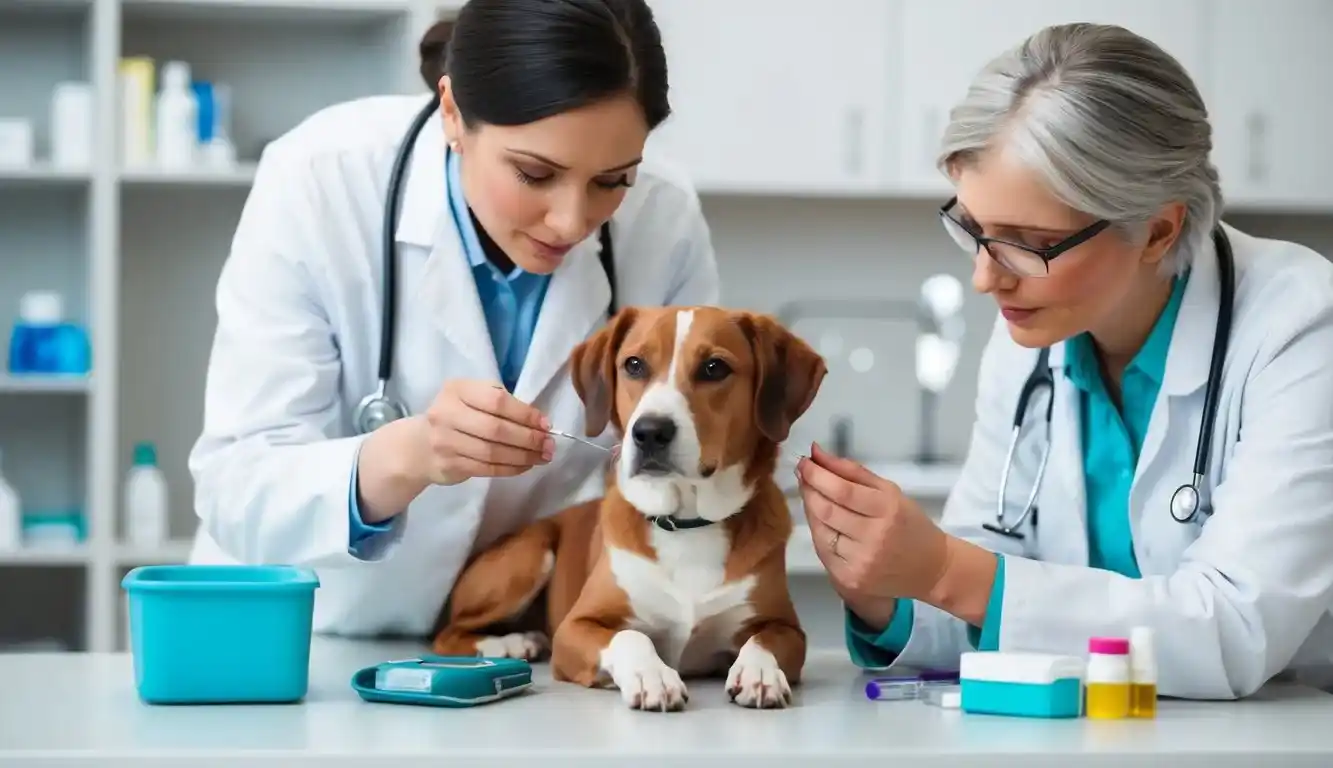
Managing secondary conditions is crucial in treating pyoderma in dogs. These conditions often contribute to the persistence and severity of skin infections, requiring careful attention to ensure effective treatment.
Allergic Dermatitis and Folds
Allergic dermatitis can make dogs prone to pyoderma. Common allergens include pollen, food ingredients, and flea saliva. Dogs with folds, such as Bulldogs or Retrievers, may develop fold pyoderma, known as intertrigo. Moisture and friction in these areas promote bacterial growth, worsening skin infections.
To manage these conditions, owners should:
- Keep affected areas dry.
- Use medicated wipes or sprays as recommended by a veterinarian.
- Identify and eliminate allergens through dietary changes or flea control.
Seeking veterinary advice is important to formulate an effective treatment plan, which may include corticosteroids or antihistamines for allergies.
Chronic Conditions and Complications
Chronic conditions like keratinization disorders and follicular dysplasias often contribute to recurrent bacterial pyoderma. Dogs suffering from these issues, particularly breeds like Golden Retrievers, may experience persistent skin disease. Bacterial folliculitis, often caused by coagulase-negative staphylococci or streptococci, can complicate treatment.
Managing these chronic conditions involves:
- Regular check-ups with a veterinarian.
- Possible long-term antibacterial therapy.
- Routine skin care to reduce inflammation and maintain skin integrity.
Addressing these underlying issues is essential for preventing resistant infections. A holistic approach to skin health, including balanced nutrition and regular grooming, can improve a dog’s overall condition.
Preventive Measures and Maintenance
Maintaining a dog’s skin health is essential in preventing pyoderma. Two key factors are grooming and proper diet, which work together to strengthen the skin barrier and support the dog’s immune system.
Importance of Grooming
Regular grooming is vital for preventing skin infections like pyoderma. It helps remove dirt, debris, and loose hair, which can trap moisture and lead to bacterial overgrowth.
- Frequency: Grooming should occur at least twice a week. More frequent grooming may be necessary for dogs with excessive skin folds.
- Tools: Use brushes designed for your dog’s coat type to effectively remove dead hair and prevent matting.
By maintaining a clean coat, owners can reduce the risk of infections. Groomers can also check for early signs of skin issues, ensuring that any potential problems are addressed quickly.
Diet and Lifestyle Adjustments
A nutritious diet plays a critical role in skin health. Foods rich in omega-3 fatty acids help maintain a strong skin barrier and reduce inflammation.
- Quality Ingredients: Choose high-quality commercial dog foods or homemade diets formulated to meet nutritional needs.
- Allergen Awareness: Be cautious with ingredients that could trigger allergic reactions, leading to skin issues.
In addition to diet, ensuring dogs have regular exercise and a stress-free environment supports their immune system. Healthy lifestyle choices promote overall well-being, reducing the risk of skin infections like pyoderma.
Special Considerations for Puppies

Puppies are more susceptible to skin conditions, including pyoderma. Understanding specific aspects of puppy pyoderma can help in early detection and treatment.
Puppy Pyoderma
Puppy pyoderma is a common skin infection in young dogs. It can happen due to various factors, such as poor hygiene or underlying health issues.
Key symptoms include:
- Red, inflamed skin
- Itchy patches or hot spots
- Pustules or scabs
Treatment usually involves topical or oral antibiotics, and it is essential to consult a veterinarian for proper care. Most cases resolve with timely intervention.
Puppies often heal well and may not require extensive treatment. Regular bathing and maintaining cleanliness can prevent further issues. Proper nutrition also plays a role in skin health, making it important to provide a balanced diet.
Support and Recovery
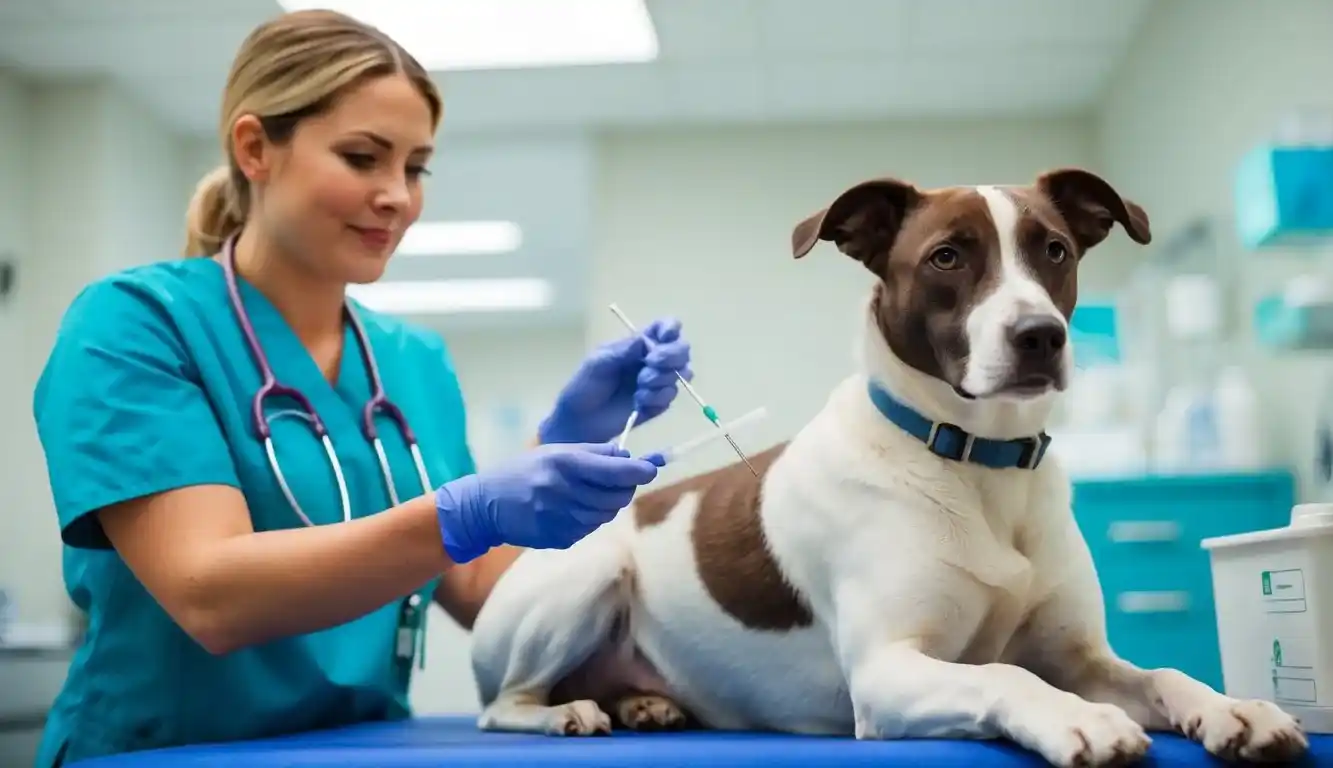
Successful recovery from pyoderma in dogs involves careful attention to follow-up care. This phase is crucial in preventing future infections and ensuring the dog returns to optimal health.
Follow-Up Care
After the initial treatment for pyoderma, follow-up care is essential. Pet owners should schedule regular veterinary check-ups to monitor their dog’s skin health. During these visits, the veterinarian will assess the dog’s recovery and check for any signs of recurrence.
A consistent bathing routine with medicated shampoos may be recommended. This can help keep the skin clean and reduce bacteria. Pet owners should also watch for any signs of itching, redness, or discomfort.
Maintaining a healthy diet and proper hydration supports skin recovery. A well-balanced diet can boost the immune system. Therefore, it’s vital to follow any dietary recommendations from the veterinarian to ensure long-term skin health.