
Pet Birds Species: A Comprehensive Guide to Choosing and Caring
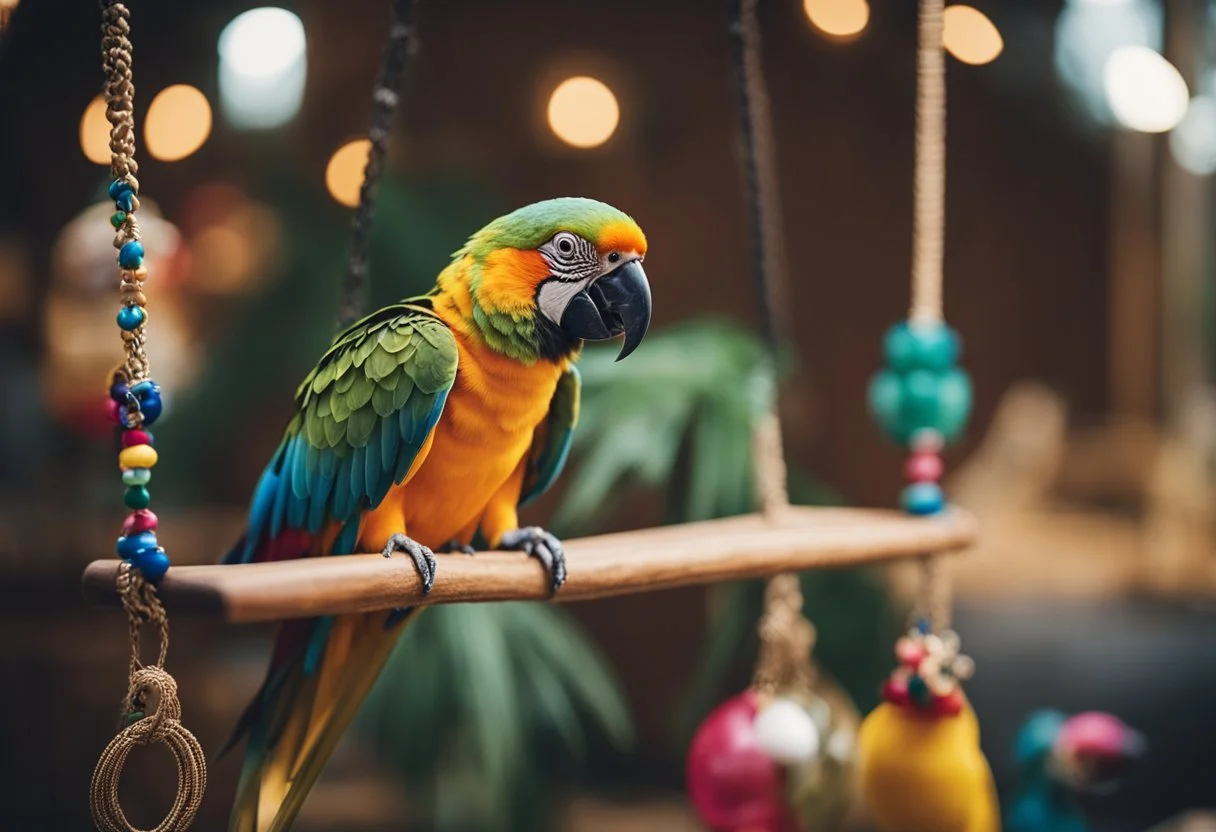
Pet birds come in many types, each with its own unique traits and characteristics. Whether someone is looking for a small companion or a larger talking bird, there is a pet bird species to match their needs and preferences. Choosing the right pet bird requires understanding its personality, care needs, and how well it might fit into a household.
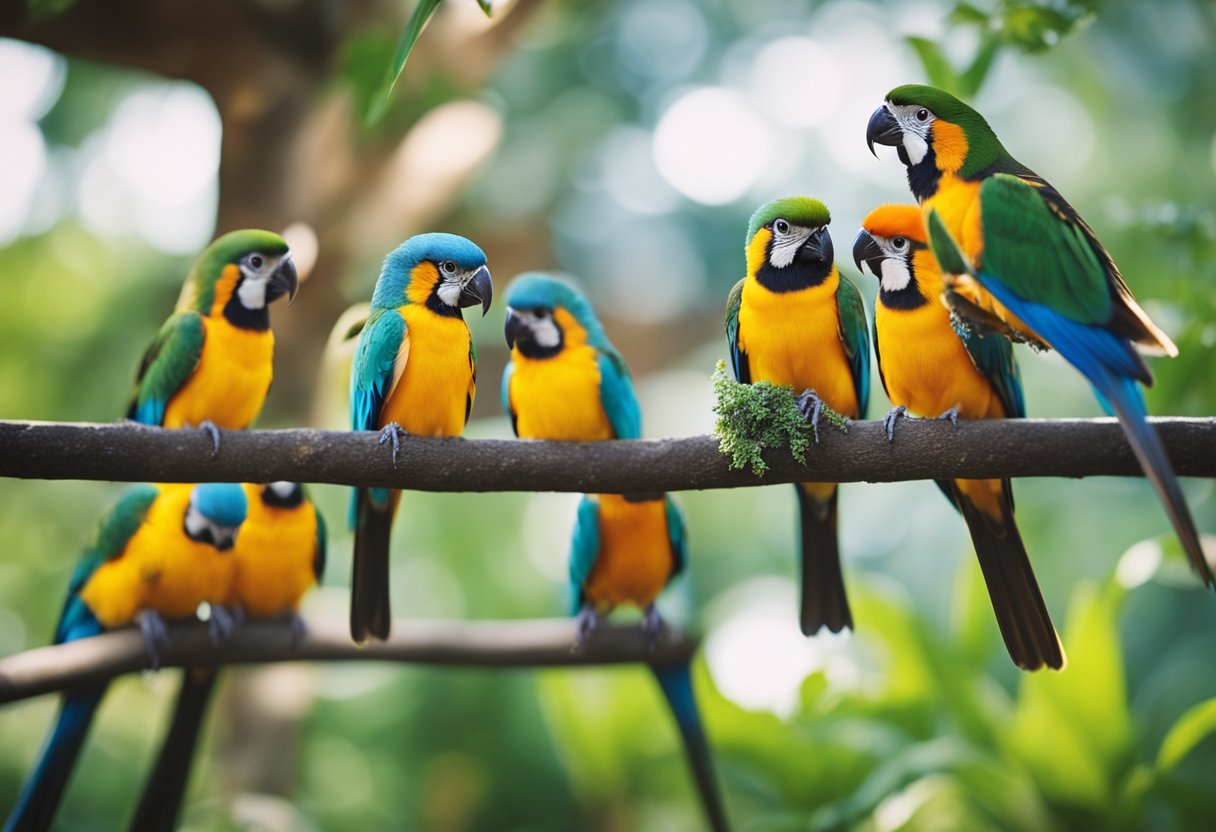
Many commonly kept pet birds are friendly and enjoy interacting with their owners. What makes birds such appealing pets is their engaging nature and ability to mimic sounds, adding a lively atmosphere to any home. For families or individuals considering a pet, understanding different bird species will help in selecting the best match for their lifestyle.
With so many options available, it’s essential to learn about various pet bird species. From playful lovebirds to social parrots, the choices are plentiful. Each bird can bring joy and companionship, making the journey of finding the right pet bird an exciting adventure.
Essentials of Pet Bird C are
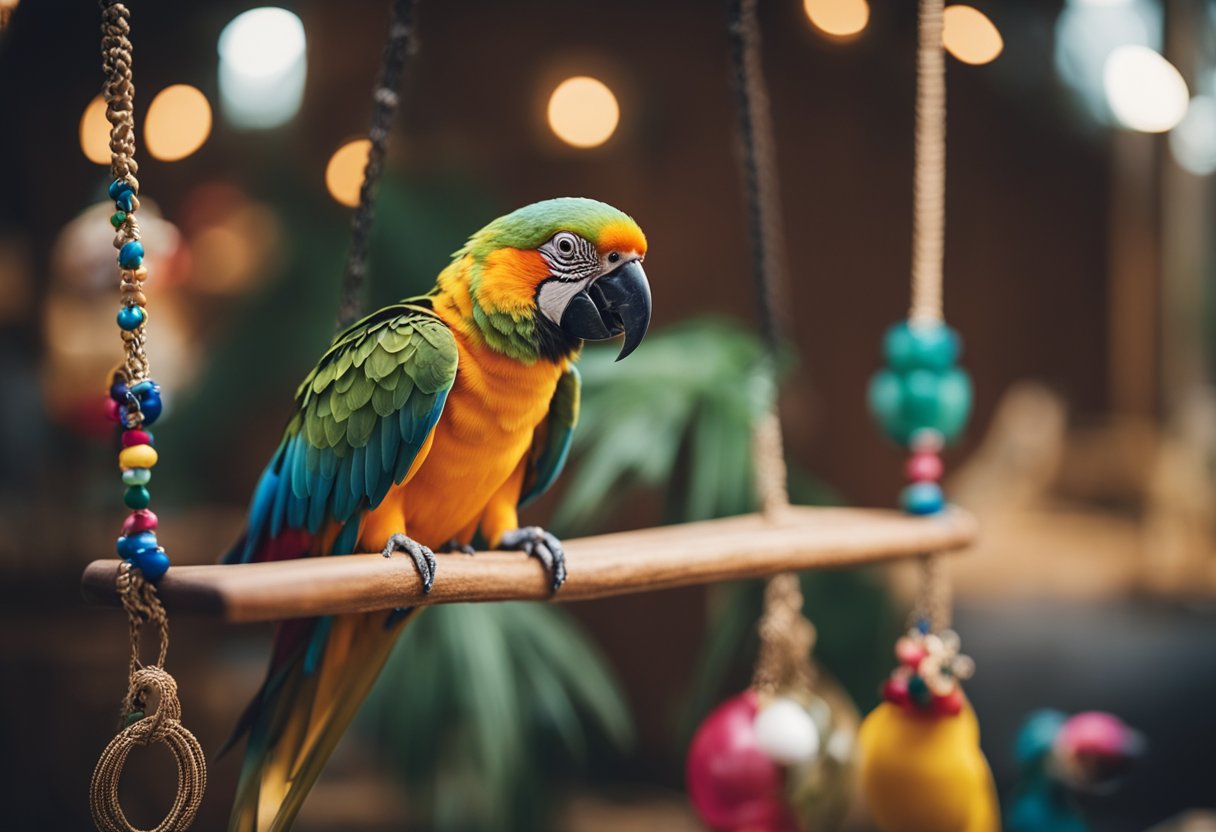
Caring for a pet bird involves understanding their specific needs. Proper housing, a balanced diet, and regular health check-ups are vital components for keeping pet birds happy and healthy.
Housing and Accommodation
Providing a suitable home for a pet bird is essential. The cage should be spacious enough for the bird to move around freely.
Cage Size Recommendations:
- Small Birds (e.g., budgies, canaries): Minimum 18” x 18” x 24”
- Medium Birds (e.g., cockatiels, conures): Minimum 24” x 24” x 36”
- Large Birds (e.g., parrots, macaws): Minimum 36” x 36” x 48”
The cage must include perches of varying diameters to promote foot health. Additionally, the cage should be placed in a calm environment away from drafts, direct sunlight, and loud noises.
Regular cleaning of the cage and surrounding area is also important to prevent diseases.
Nutrition and Feeding
A balanced diet is crucial for pet birds’ well-being. Each species of bird has unique dietary needs, but generally, a mix of pellets, seeds, fruits, and vegetables should be included.
Essential Foods:
- Pellets: Formulated for balanced nutrition.
- Seeds: Should be given in moderation to avoid obesity.
- Fresh Fruits and Vegetables: Important for vitamins and hydration.
Offer fresh water daily, ensuring it is clean and available at all times. Monitor food intake to identify any changes in appetite, which could indicate health issues.
Health and Veterinary Care
Regular veterinary check-ups are necessary for early detection of health issues in birds. Birds can hide illness until they are very sick, so owners should be observant of their pet’s behavior and eating habits.
Important Health Checks:
- Weight Monitoring: A sudden change in weight can signal a problem.
- Feather Condition: Look for signs of plucking or abnormal molting.
- Behavior Changes: Any shifts in activity or vocalization should prompt a vet visit.
Establish a relationship with an avian veterinarian for specialized care. Keeping a first aid kit with basic supplies is wise for emergencies.
Popular Pet Bird Species
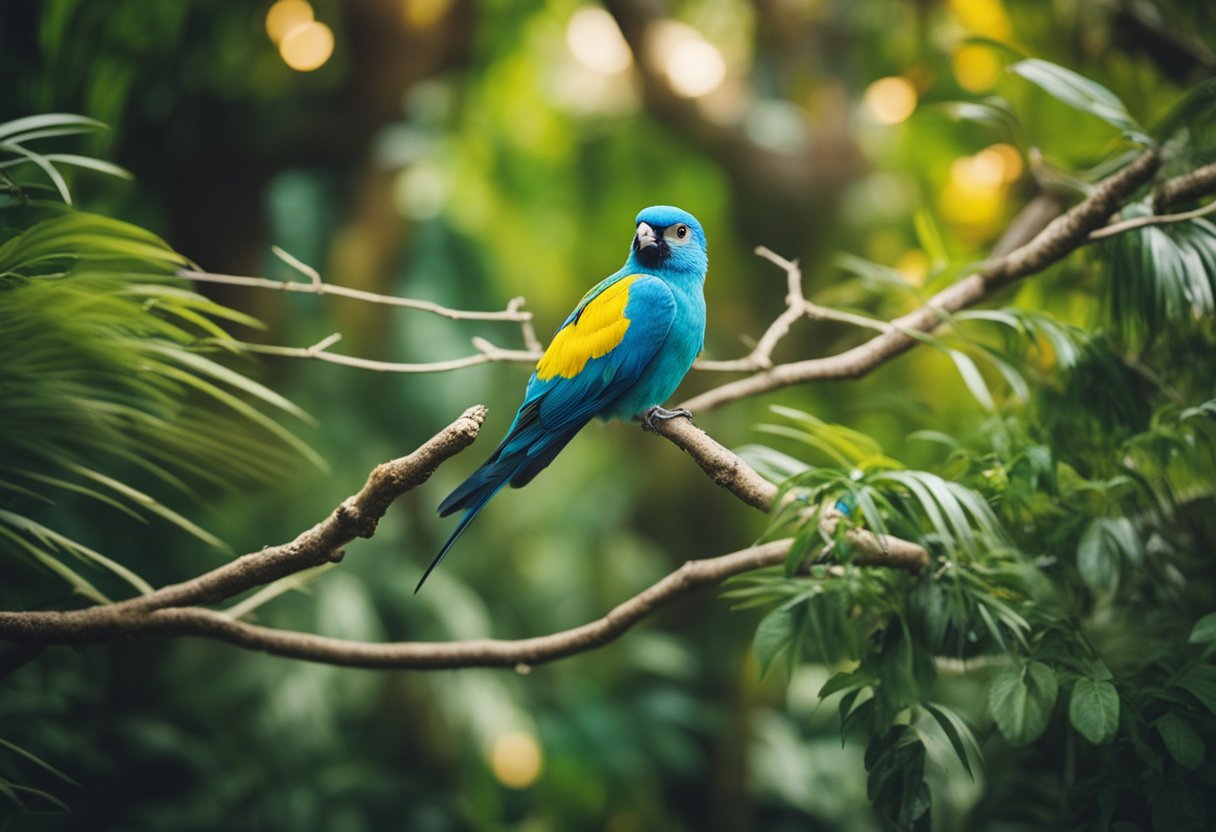
Choosing the right pet bird involves considering various species that offer unique characteristics and care needs. Here are some popular options that many bird lovers enjoy.
Parrots and Parakeets
Parrots and parakeets are beloved for their bright colors and social nature. They are intelligent creatures that enjoy interaction and can develop strong bonds with their owners.
- Budgerigar (Budgie): These small birds are friendly and relatively easy to care for. They come in many colors and can learn simple words.
- Cockatoos: Known for their playful behavior, cockatoos require a lot of attention. They can be noisy and may develop strong attachments to their owners.
- African Grey: This medium-sized parrot is highly intelligent. They are known for their talking ability and can mimic words and sounds very well.
These birds thrive in environments where they receive plenty of mental stimulation.
Canaries and Finches
Canaries and finches are popular for their beautiful songs and vibrant colors. They are typically easier to care for than some larger parrots.
- Canaries: Known for their singing, canaries come in various colors. Males sing more than females and need a quiet space for their performances.
- Bengalese Finch: These small birds are social and friendly. They make great companions and do well in pairs.
- Zebra Finch: Zebra finches are hardy and adapt well to different settings. They are known for their distinctive markings and cheerful chirping.
These birds are generally quieter and can be content in smaller spaces.
Cockatiels and Lovebirds
Cockatiels and lovebirds are small but full of personality. They are affectionate and interactive, making them great companions.
- Cockatiel: These charming birds have distinct crests and are known for their whistling abilities. They are friendly and enjoy spending time with their owners.
- Lovebirds: These small parrots are very social and enjoy companionship. They are playful and can display affection toward their owners.
Both cockatiels and lovebirds benefit from daily social interaction. They require a variety of toys to keep them engaged and happy.
Behavior and Training
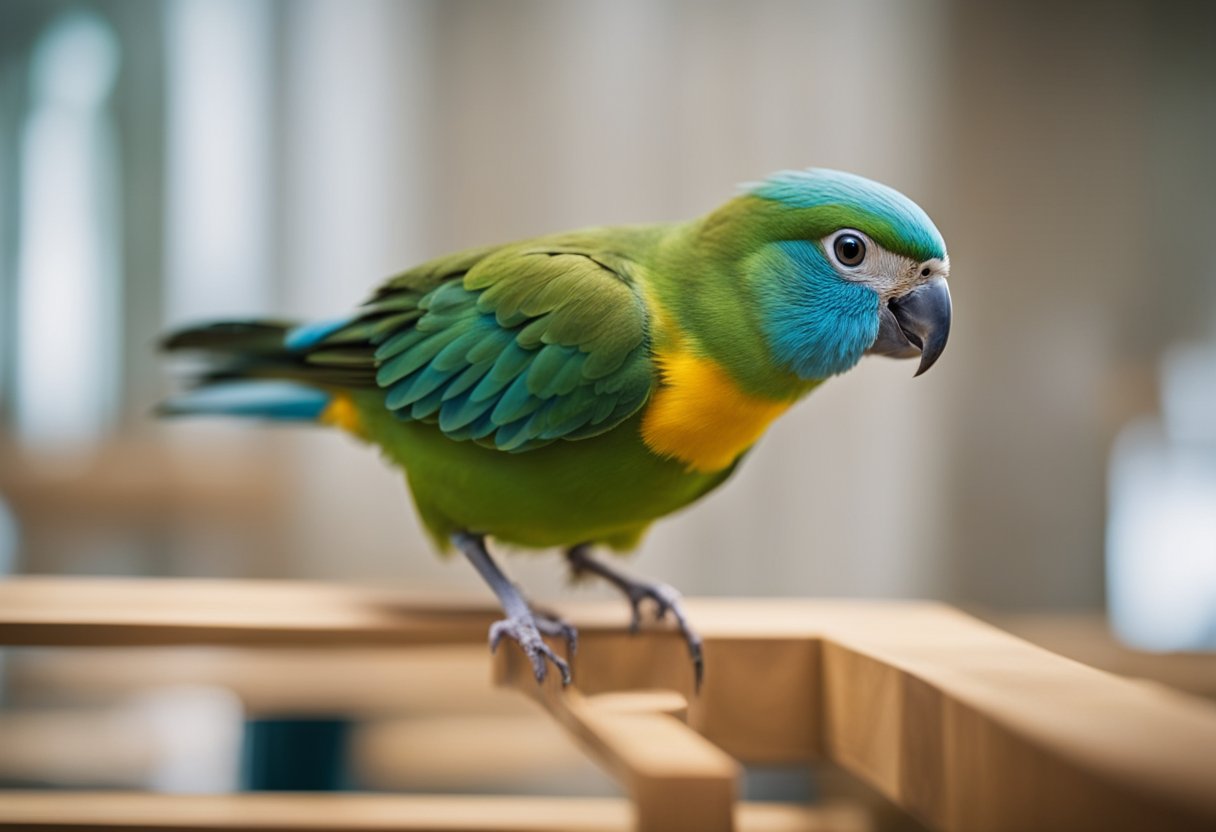
Understanding the behavior of pet birds is essential for fostering a strong bond. Socialization and effective training techniques play a key role in ensuring a happy and well-adjusted bird.
Socialization and Companionship
Socialization is vital for pet birds. It helps them feel secure and prevents behavioral issues. Birds are social creatures that thrive on interaction.
Key Points for Socialization:
- Daily Interaction: Regular handling and talking to the bird build trust.
- Exposure to Environment: Allow birds to explore their surroundings safely to become familiar with different sights and sounds.
- Companionship Needs: Many bird species enjoy the company of other birds. Keeping them in pairs can enhance their quality of life.
For birds like budgerigars and parrots, companionship is particularly important. They may develop strong bonds with their owners or other birds, leading to a more fulfilled and contented pet.
Training Techniques
Training is essential for managing a bird’s behavior. It helps prevent unwanted actions like biting and screaming.
Effective Training Methods:
- Positive Reinforcement: Rewarding good behavior with treats or praise encourages birds to repeat those actions.
- Short Training Sessions: Keeping sessions brief helps maintain the bird’s attention.
- Consistency is Key: Using the same commands and cues each time helps the bird learn faster.
Common Training Goals:
- Taming: Gently handling the bird to reduce fear and promote bonding.
- Basic Commands: Teaching phrases or sounds like “step up” to make interaction easier.
With patience and care, even the most stubborn birds can learn and thrive in a home environment.