Papillomas in Horses: Causes, Symptoms, Treatment, and Prevention
What Are Papillomas in Horses and Why Should You Care?
Imagine noticing small, wart-like growths on your horse’s muzzle or around its eyes. While these growths might look alarming, they’re often papillomas, a common skin condition in horses. But what exactly are papillomas, and should you be worried?
In this comprehensive guide, we’ll dive deep into the world of equine papillomas, covering everything from their causes and symptoms to effective treatment options and prevention strategies. Whether you’re a horse owner, trainer, or simply an equine enthusiast, this article will equip you with the knowledge you need to keep your horse healthy and happy.

What Are Papillomas in Horses?
Understanding Equine Papillomas
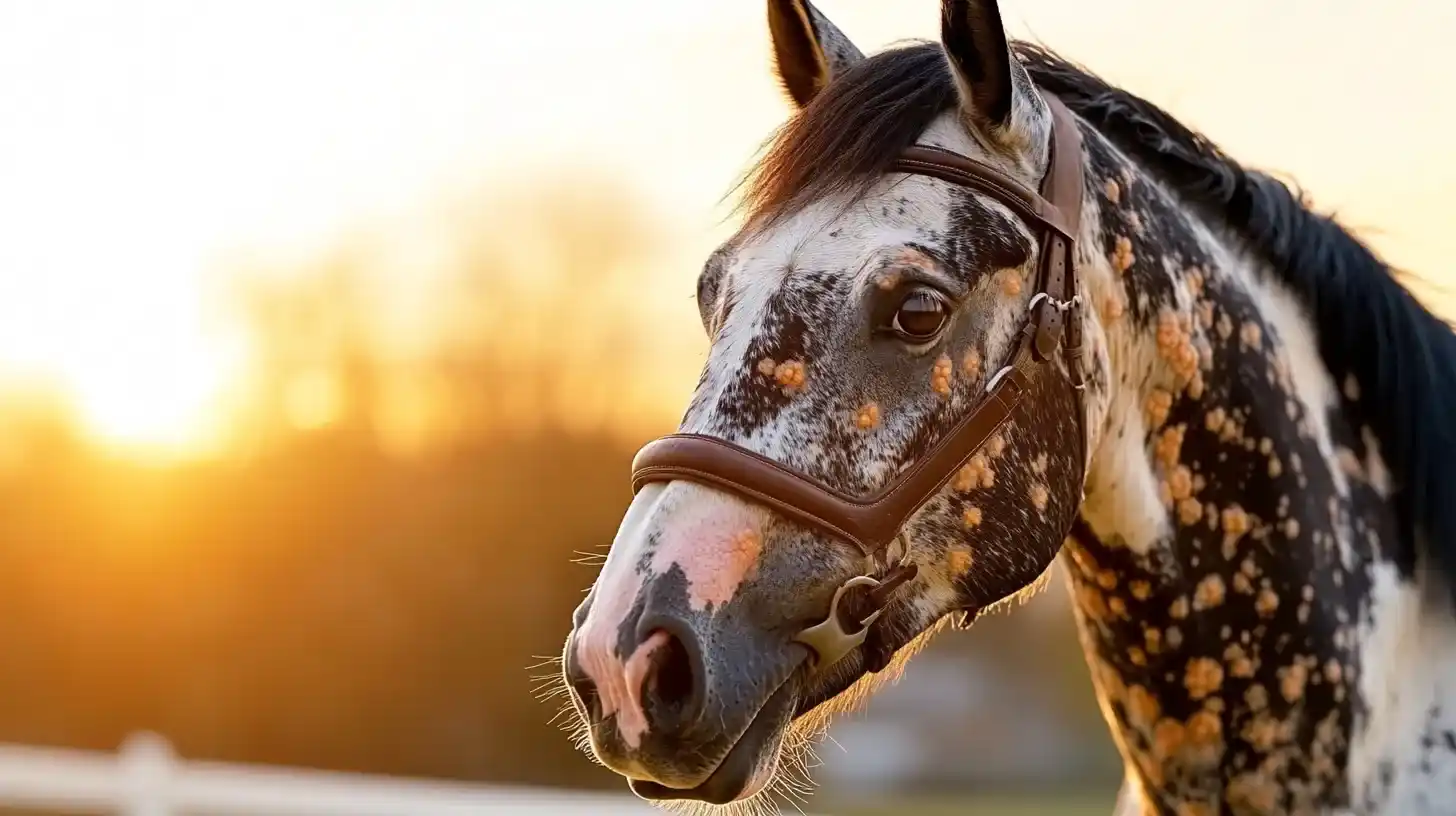
Papillomas, also known as equine warts, are benign skin tumors caused by the equine papillomavirus. These growths are most commonly seen in young horses, typically between the ages of 6 months and 3 years, but they can occasionally affect older horses as well.
Key Characteristics of Papillomas
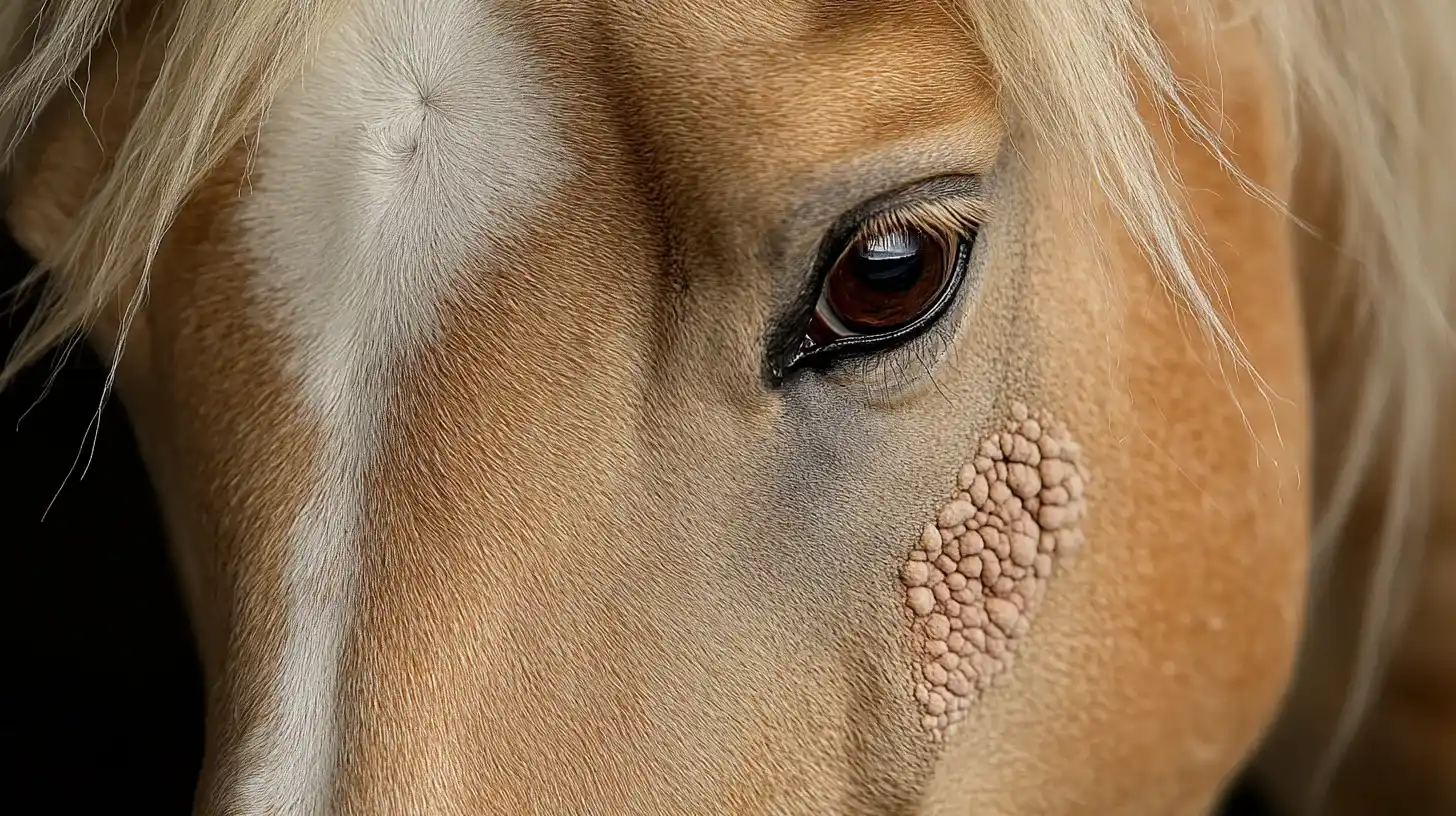
- Appearance: Papillomas are small, raised, and often have a rough, cauliflower-like texture.
- Location: They usually appear on the muzzle, lips, and around the eyes, but they can also develop on other parts of the body.
- Color: These growths are typically gray or flesh-colored.
Causes of Papillomas in Horses
The Role of the Equine Papillomavirus
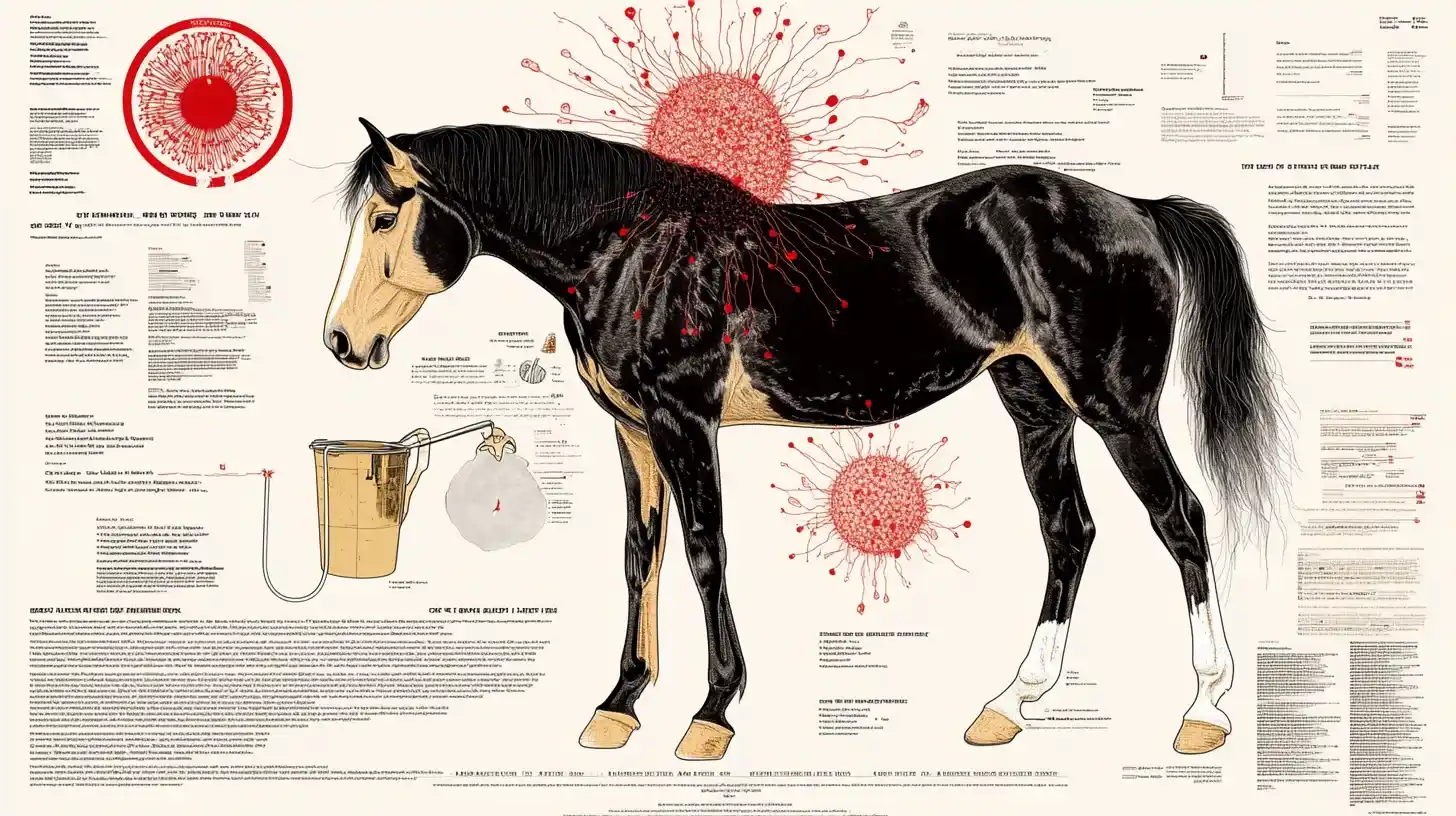
Papillomas are caused by the equine papillomavirus, which is highly contagious among horses. The virus is spread through direct contact with infected horses or contaminated objects such as grooming tools, feeders, and water buckets.
Risk Factors for Papillomas
- Age: Young horses with underdeveloped immune systems are more susceptible.
- Environment: Horses in crowded or unsanitary conditions are at higher risk.
- Stress: Stressful conditions, such as transportation or changes in routine, can weaken the immune system and increase susceptibility.
Symptoms of Papillomas in Horses
Visible Signs
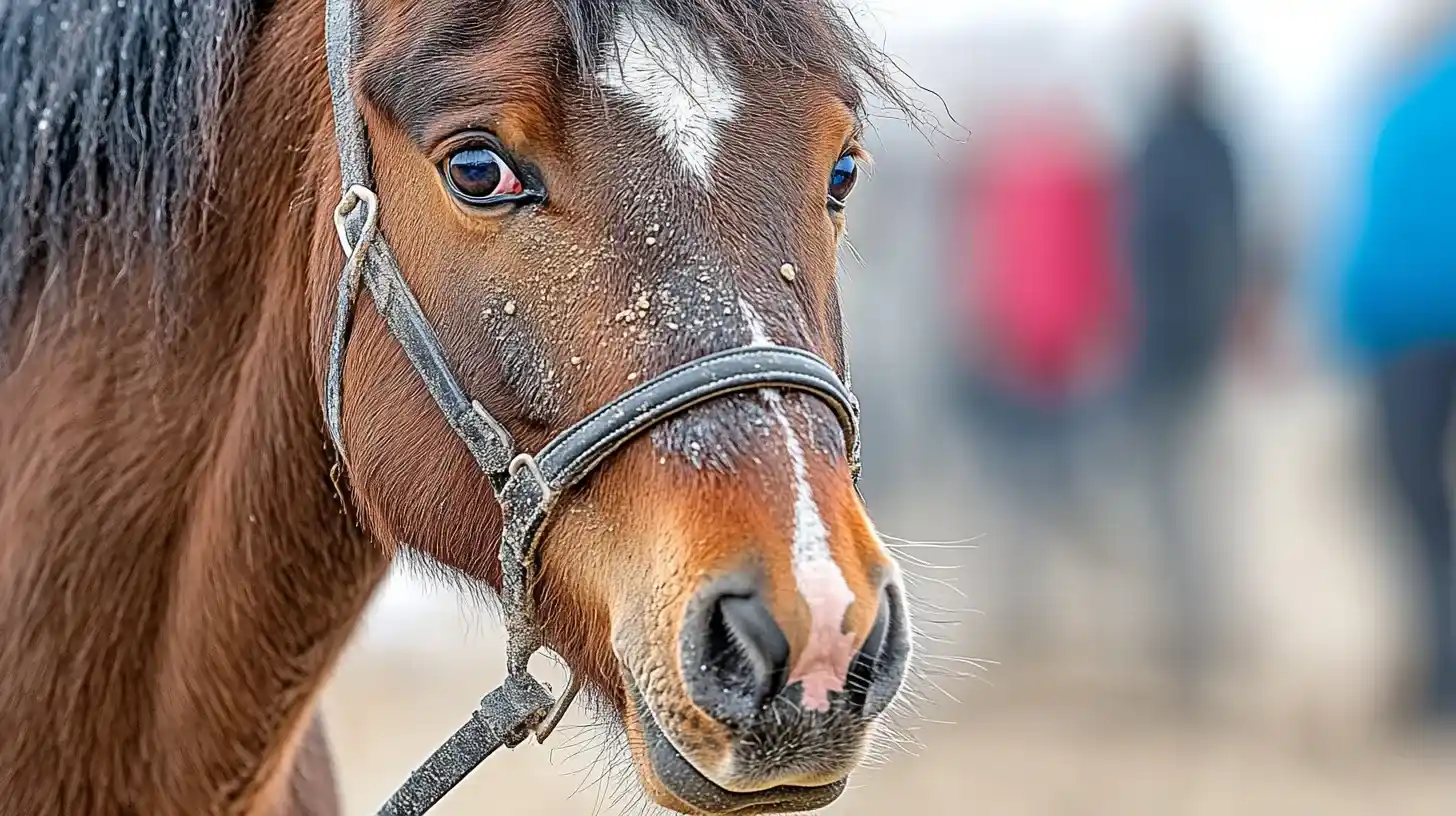
The most obvious symptom of papillomas is the presence of wart-like growths on the horse’s skin. These growths are usually painless but can cause discomfort if they become irritated or infected.
Behavioral Changes
In some cases, horses with papillomas may exhibit:
- Itching or rubbing of the affected areas.
- Reluctance to eat if the growths are near the mouth.
- Mild irritation or discomfort.
Diagnosing Papillomas in Horses
Veterinary Examination
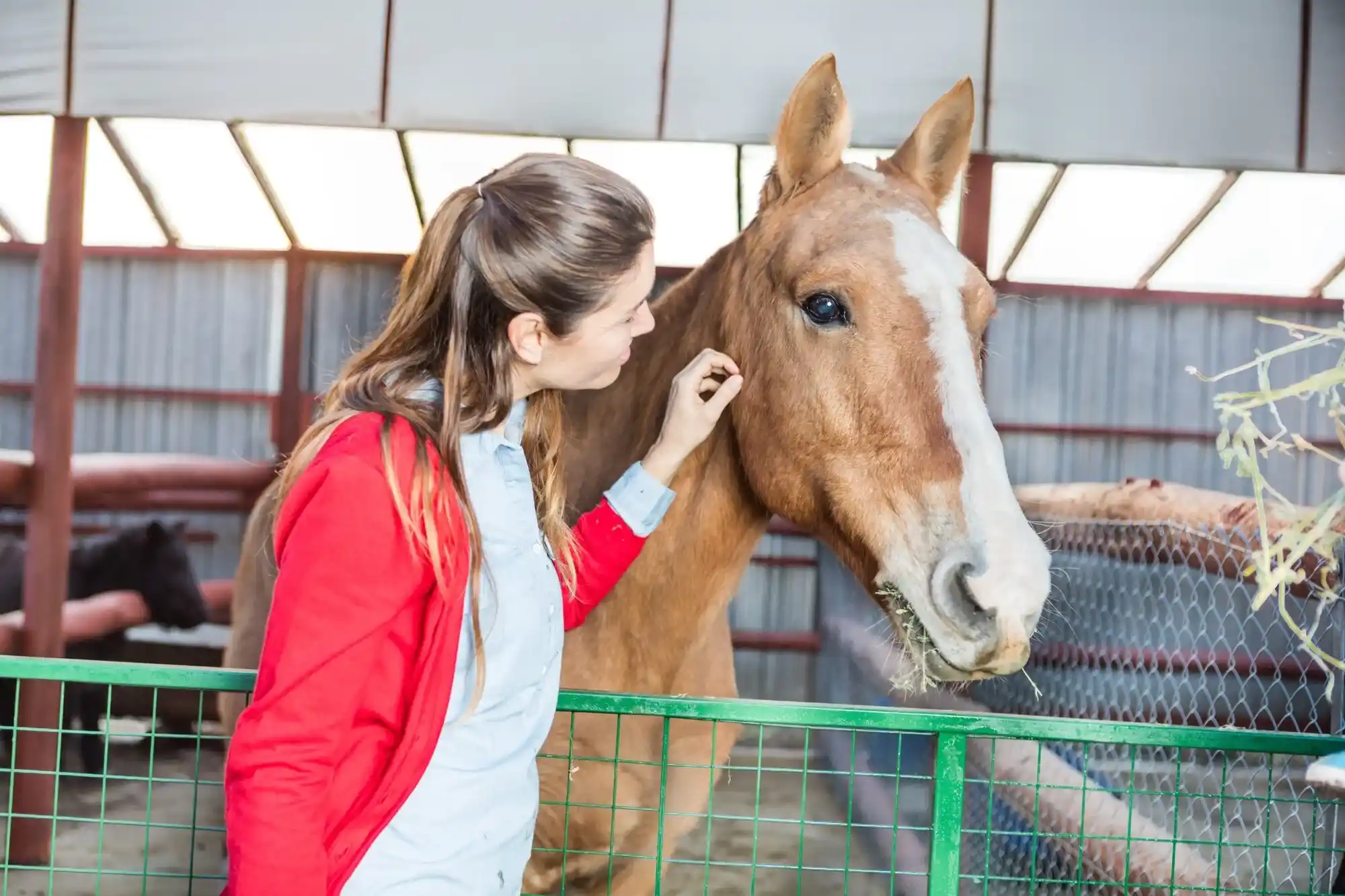
A veterinarian can typically diagnose papillomas based on their appearance and location. In rare cases, a biopsy may be performed to confirm the diagnosis and rule out other conditions.
Differential Diagnosis
It’s important to distinguish papillomas from other skin conditions, such as:
- Sarcoids: A type of skin tumor that can be more aggressive.
- Ringworm: A fungal infection that causes circular, scaly patches.
- Allergic reactions: Which can cause similar-looking skin lesions.
Treatment Options for Equine Papillomas
Wait-and-See Approach
In most cases, papillomas will resolve on their own within 6 to 12 months as the horse’s immune system fights off the virus. No specific treatment is required unless the growths cause discomfort or become infected.
Medical Treatments
If treatment is necessary, options include:
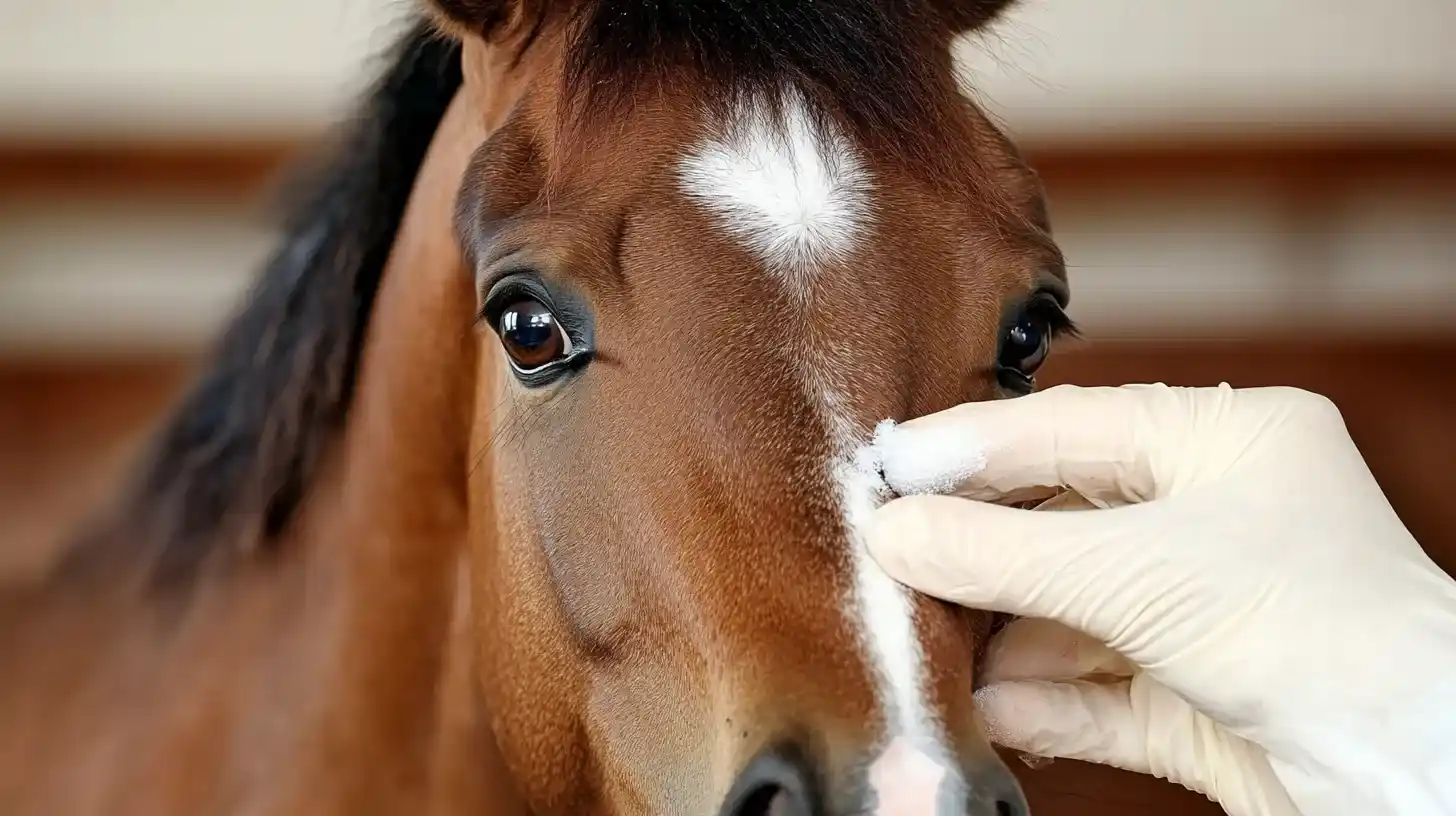
- Topical creams: To reduce inflammation and promote healing.
- Cryotherapy: Freezing the growths with liquid nitrogen.
- Surgical removal: In rare cases where the growths are large or problematic.
Home Remedies
Some horse owners opt for natural remedies, such as:
- Apple cider vinegar: Applied topically to the affected areas.
- Aloe vera: To soothe irritated skin.
Preventing Papillomas in Horses
Biosecurity Measures
- Isolate infected horses: To prevent the spread of the virus.
- Disinfect equipment: Regularly clean grooming tools, feeders, and water buckets.
- Avoid overcrowding: Provide adequate space for each horse.
Boosting Immunity
- Balanced diet: Ensure your horse receives proper nutrition.
- Regular exercise: To maintain overall health and well-being.
- Stress management: Minimize stressors such as sudden changes in routine.
Frequently Asked Questions (FAQs)
1. Are papillomas in horses contagious to humans?
No, the equine papillomavirus is species-specific and does not infect humans.
2. Can older horses get papillomas?
While rare, older horses with weakened immune systems can develop papillomas.
3. How long does it take for papillomas to go away?
Most papillomas resolve on their own within 6 to 12 months.
4. Should I treat my horse’s papillomas?
Treatment is usually unnecessary unless the growths cause discomfort or become infected.
Keeping Your Horse Healthy and Papilloma-Free
Papillomas in horses may look concerning, but they’re typically a harmless and self-limiting condition. By understanding the causes, symptoms, and treatment options, you can ensure your horse remains healthy and comfortable.
Remember, prevention is key. By implementing biosecurity measures and maintaining your horse’s overall health, you can reduce the risk of papillomas and other skin conditions. If you ever have concerns about your horse’s health, don’t hesitate to consult your veterinarian.