Osteoarthritis in Dogs: Understanding Symptoms, Diagnosis, and Treatment Options
Osteoarthritis in dogs is a common joint disease that affects many pets as they age. This condition leads to joint inflammation and pain, often making it difficult for dogs to move comfortably. Understanding the symptoms of osteoarthritis, such as limping or reluctance to play, is key for pet owners to address this issue early on.
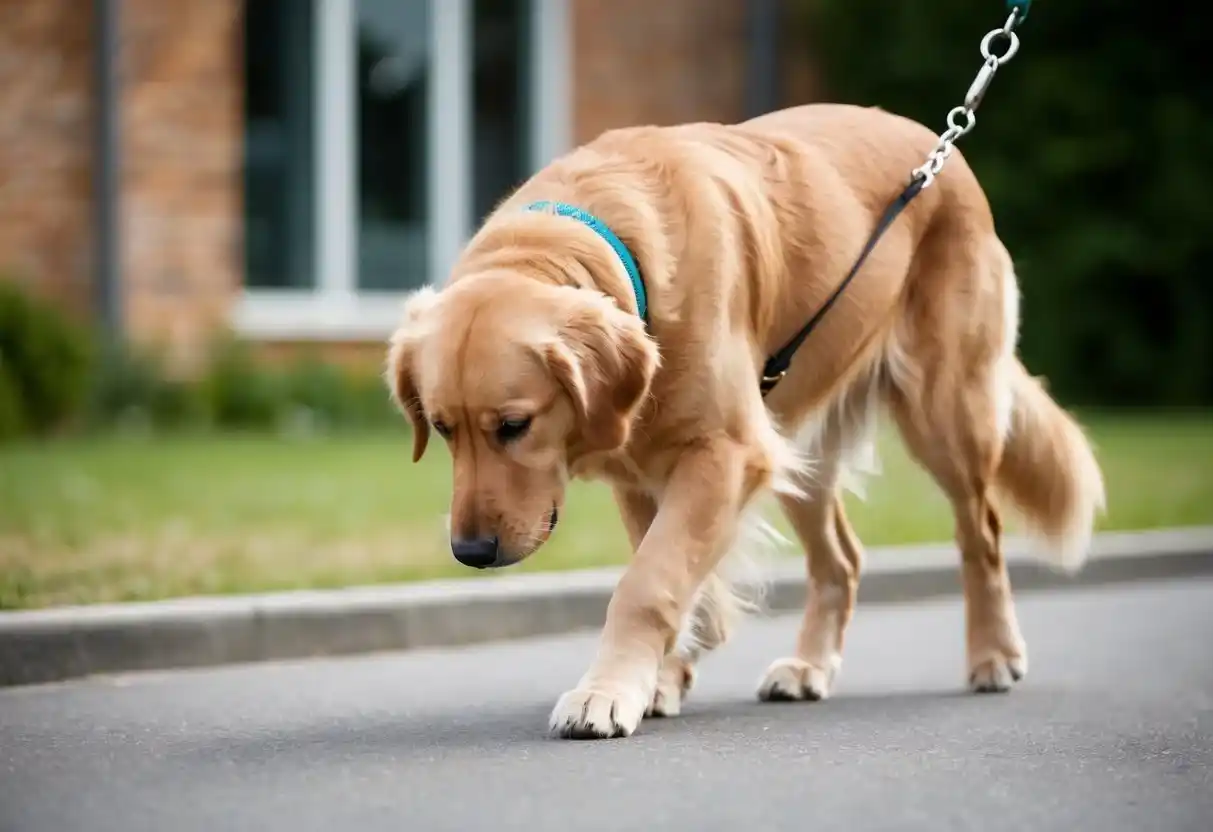
Diagnosis typically requires a thorough physical examination by a veterinarian, who will assess the dog’s mobility and may recommend imaging tests. Risk factors for developing osteoarthritis include obesity, previous joint injuries, and certain breeds. Recognizing these factors can help owners take proactive steps to manage their dog’s joint health.
Effective management and treatment options are available, allowing many dogs to live fulfilling lives despite their diagnosis. From weight management to physical therapy, pet owners can play an active role in reducing their dog’s discomfort and improving their overall well-being.
Understanding Canine Osteoarthritis

Canine osteoarthritis (OA) is a complex and common condition affecting many dogs. It leads to joint pain, inflammation, and reduced mobility. Understanding its mechanisms, related conditions, and risk factors can help in managing this debilitating disease.
Pathophysiology of Osteoarthritis
Osteoarthritis is primarily a degenerative joint disease that affects cartilage. As the cartilage breaks down, bones can rub against each other, causing pain and inflammation. This process is often gradual and may start with minor damage.
In many cases, osteoarthritis can stem from underlying issues like hip dysplasia or elbow dysplasia. These genetic predispositions increase the likelihood of joint problems. As the disease progresses, the body may produce more inflammatory substances, worsening the condition.
Symptoms of osteoarthritis in dogs may include stiffness, limping, and trouble standing or climbing stairs. A physical exam by a veterinarian is essential for diagnosing the severity of these symptoms and suggesting the best treatment options.
Osteoarthritis and Related Orthopedic Conditions
Osteoarthritis does not occur in isolation and can be influenced by other orthopedic conditions. For example, hip dysplasia and elbow dysplasia can lead to or worsen OA due to improper joint formation and movement.
Degenerative joint disease encompasses various joint-related problems, including osteoarthritis. Identifying these conditions early can improve a dog’s quality of life by enabling prompt treatment.
Regular veterinary check-ups are crucial for detecting signs of arthritis in dogs. Symptoms can be subtle and may include reluctance to play, changes in gait, and behavioral alterations, which are often seen as aging issues.
Risk Factors and Prevention Strategies
Several factors can increase the risk of developing osteoarthritis in dogs. Obesity, for example, adds extra pressure on joints, accelerating cartilage breakdown. Maintaining a healthy weight is essential for prevention.
Age is another significant risk factor. Senior dogs are more likely to develop osteoarthritis as their joints naturally wear down over time. High-impact activities, particularly in younger dogs, can also contribute to joint stress, leading to potential injury and OA.
Preventative measures should include a balanced diet, regular exercise, and weight management. Furthermore, early identification of orthopedic issues can help mitigate the risk of osteoarthritis developing in predisposed breeds.
Diagnosis and Management of Canine Osteoarthritis

Canine osteoarthritis requires careful diagnosis and management to help affected dogs maintain their quality of life. Effective treatment includes a mix of medical interventions, supportive care, and lifestyle changes tailored to the individual dog’s needs.
Clinical Diagnosis and Imaging Techniques
The diagnosis of osteoarthritis starts with a veterinarian’s clinical evaluation. Signs may include reluctance to walk, stiffness, and limping. Diagnostic tools like X-rays (radiographs) are commonly used to visualize joint changes. An MRI or CT scan might be necessary for a more detailed view, especially when assessing soft tissue or bone abnormalities.
Joint fluid analysis can also provide valuable information about inflammation in the joint. The Canine Osteoarthritis Staging Tool (COAST) helps rate the condition’s severity based on physical exam findings and owner observations, guiding treatment decisions.
Comprehensive Treatment Approaches
Treatment options for canine osteoarthritis focus on pain relief and improving mobility. Nonsteroidal anti-inflammatory drugs (NSAIDs) are often the first line of defense. They help reduce pain and inflammation, allowing dogs to move more comfortably.
In some cases, surgical options like total hip replacement can be considered. For dogs that are not surgical candidates, physical rehabilitation is beneficial. This can include exercises tailored to build strength and improve joint function.
Dietary supplements like glucosamine and chondroitin, along with omega-3 fatty acids, may support joint health. A multimodal approach often combines several therapies to achieve the best results.
Supportive Care and Lifestyle Adjustments
Managing canine osteoarthritis also involves supportive care. Weight management is crucial, as excess weight puts more strain on joints. A well-balanced diet can help maintain a healthy weight.
Exercise should be carefully managed. Regular, low-impact activities promote mobility without over-exerting the affected joints. Alternative therapies such as acupuncture or laser therapy may also relieve pain and promote healing.
Owners should observe changes in their dog’s behavior and adjust care plans as needed. Simple lifestyle changes, like using ramps to avoid jumping, can significantly enhance a dog’s daily comfort.