Itchy Cat Symptoms: The Complete Guide to Causes, Treatments, and When to Seek Help
When your feline companion starts scratching excessively, it’s more than just annoying behavior—it’s a cry for help. Itchy cat symptoms affect millions of cats worldwide and can signal everything from simple environmental irritants to serious underlying health conditions. Understanding these symptoms, their root causes, and effective treatment options can mean the difference between minor discomfort and severe skin damage for your beloved pet.
This comprehensive guide will walk you through everything you need to know about feline skin irritation, from identifying the telltale signs to implementing proven treatment strategies that actually work.
Understanding Itchy Cat Symptoms: What Pet Parents Need to Know
Excessive scratching, also known medically as pruritus, represents one of the most common reasons cat owners visit veterinarians. Unlike humans who can verbally express discomfort, cats communicate their distress through behavioral changes that savvy pet parents learn to recognize.
The intensity of scratching varies significantly between cats and underlying conditions. Some felines may exhibit mild, occasional scratching, while others develop compulsive behaviors that result in self-inflicted wounds, hair loss, and bacterial infections. Recognizing the difference between normal grooming behaviors and problematic itching is crucial for timely intervention.
Primary Signs Your Cat Is Experiencing Skin Irritation
Behavioral Changes:
- Excessive scratching with hind legs, particularly around the head, neck, and ears
- Obsessive licking or biting at specific body areas
- Rolling or rubbing against furniture, walls, or carpet more frequently than usual
- Restlessness, especially during nighttime hours
- Decreased appetite or reluctance to engage in normal activities
Physical Symptoms:
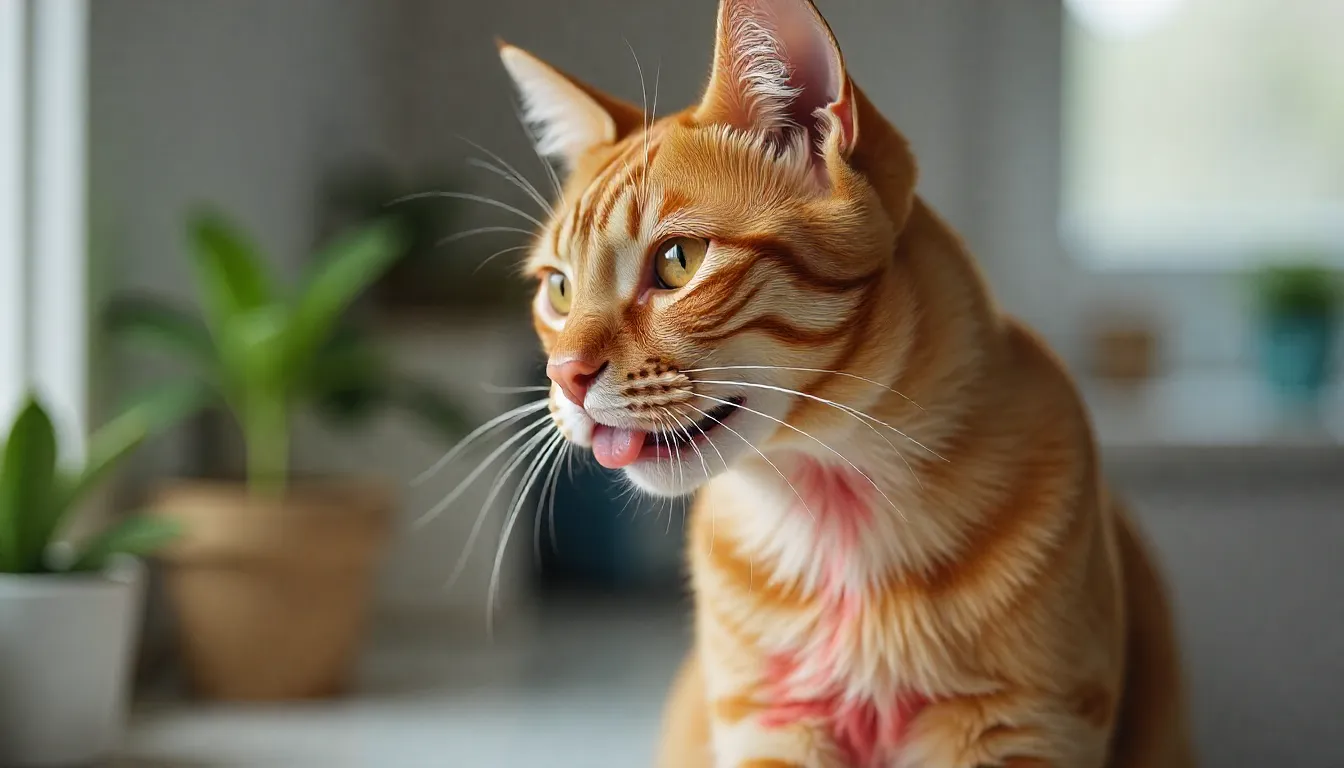
- Red, inflamed patches of skin visible beneath the fur
- Hair loss (alopecia) in scratched or licked areas
- Small, raised bumps resembling tiny scabs (miliary dermatitis)
- Open wounds, scratches, or bleeding from self-trauma
- Thickened, darkened skin in chronically affected areas
- Strong, unusual odors emanating from the affected skin
Common Causes Behind Feline Skin Irritation
Understanding the root cause of your cat’s itching is essential for selecting the most effective treatment approach. Veterinary dermatologists classify these causes into several primary categories. Just as itchy skin in felines can stem from parasites, allergies, or infections, similar reactions in dogs—like skin irritation caused by fleas or allergies—can lead to repetitive behaviors such as chasing their tails. Learn more about how skin discomfort drives such behavior in dogs.
Parasitic Infestations
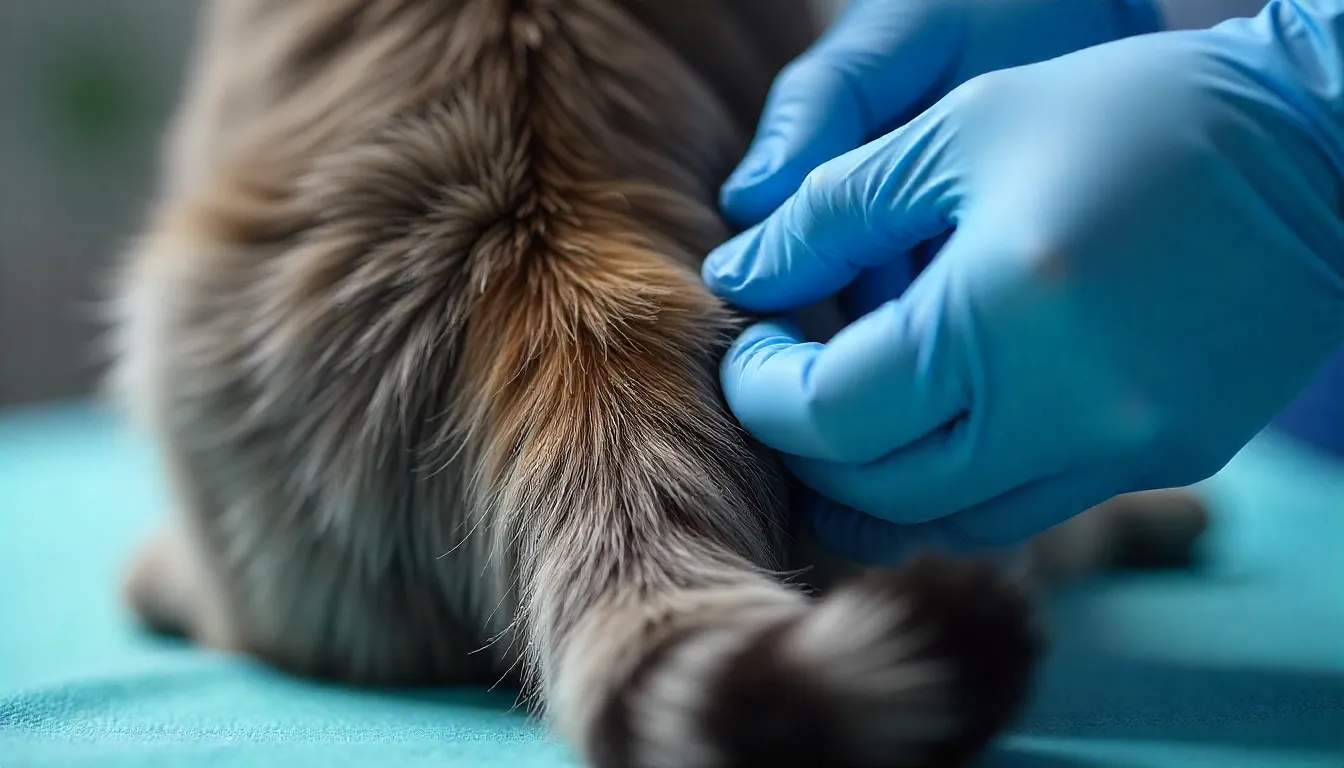
Flea Allergy Dermatitis (FAD) Flea allergy dermatitis represents the most prevalent cause of itchy skin in cats, occurring when felines develop hypersensitivity to proteins in flea saliva. Even cats with just one or two fleas can experience severe allergic reactions, making this condition particularly frustrating for pet owners who may not readily observe the parasites.
Symptoms typically manifest along the lower back, base of the tail, and inner thighs. The allergic reaction can persist for weeks after flea exposure, even after the parasites are eliminated.
Other Parasitic Causes:
- Ear mites, particularly affecting kittens and outdoor cats
- Cheyletiella mites (walking dandruff)
- Demodex mites, though less common in cats than dogs
- Harvest mites, seasonal parasites affecting outdoor cats
Environmental and Contact Allergies
Cats can develop sensitivities to numerous environmental factors, creating year-round or seasonal itching patterns. Common environmental triggers include:
- Pollen from trees, grasses, and weeds
- Dust mites and their waste products
- Mold spores, particularly in humid environments
- Household chemicals, including cleaning products and air fresheners
- Fabric softeners, laundry detergents, and carpet treatments
- Certain plants, both indoor and outdoor varieties
Contact allergies develop when your cat’s skin directly touches irritating substances. Plastic food bowls, synthetic carpets, and certain fabrics can trigger localized reactions.
Food Allergies and Sensitivities
Food-related skin problems in cats most commonly stem from protein sources rather than grains or fillers, contrary to popular belief. The most frequent culprits include:
- Chicken and poultry-based proteins
- Beef and lamb products
- Fish, particularly salmon and tuna
- Dairy products, including milk and cheese
- Certain food additives and preservatives
Food allergies typically cause itching around the face, neck, and ears, though they can affect any body area. Unlike environmental allergies, food sensitivities usually cause year-round symptoms.
Bacterial and Fungal Infections
Secondary bacterial infections frequently develop when cats scratch damaged skin, creating open wounds that become infected. Staphylococcus bacteria commonly colonize these areas, leading to pustules, crusting, and intense itching that perpetuates the scratch-itch cycle.
Fungal infections, including ringworm (dermatophytosis), can cause circular patches of hair loss accompanied by scaling and moderate itching. Young cats, elderly felines, and immunocompromised pets are particularly susceptible to these infections.
Effective Treatment Options for Itchy Cats
Successful treatment depends on accurate diagnosis of the underlying cause. While temporary relief measures can provide comfort, long-term success requires addressing root problems.

Veterinary Treatments
Prescription Medications: Veterinarians commonly prescribe steroids such as prednisolone and Depo-Medrol injections to reduce allergic reactions and inflammation. These medications provide rapid relief but require careful monitoring for potential side effects with long-term use.
Immunomodulatory Drugs: Modern treatments include cyclosporine (Atopica) and other immunomodulators that help regulate the immune system’s response to allergens. These medications often provide effective long-term control with fewer side effects than traditional steroids.
Targeted Therapies:
- Antihistamines for mild allergic reactions
- Topical treatments including medicated shampoos and sprays
- Antibiotics for secondary bacterial infections
- Antifungal medications for yeast or fungal overgrowth
Flea Prevention and Control
The most important treatment for flea allergy dermatitis is year-round flea prevention, as preventing flea bites eliminates the allergic trigger. Modern flea preventatives include:
Topical Treatments:
- Spot-on treatments applied monthly between the shoulder blades
- Flea sprays for immediate knockdown of existing populations
- Flea shampoos for severely infested cats
Oral Medications:
- Monthly oral tablets that kill fleas within hours
- Long-acting treatments providing extended protection
- Combination products targeting fleas, ticks, and other parasites
Environmental Control:
- Thorough vacuuming of carpets, upholstery, and pet bedding
- Washing pet bedding in hot water weekly
- Professional pest control for severe infestations
Dietary Management
Elimination diets represent the gold standard for diagnosing food allergies. This process involves feeding a novel protein source (something your cat has never eaten) for 8-12 weeks while monitoring symptom improvement.
Novel Protein Sources:
- Venison, rabbit, or duck for cats previously fed common proteins
- Hydrolyzed protein diets with pre-broken protein chains
- Limited ingredient diets containing single protein and carbohydrate sources
During elimination trials, absolutely no treats, flavored medications, or table food should be given, as even small amounts can interfere with results.
When to Worry: Red Flags Requiring Immediate Veterinary Care
If your cat is extremely itchy and damaging fur and skin, leading to deep scratches and bleeding, immediate veterinary attention is necessary to prevent infection. Additionally, cats experiencing allergic reactions require prompt medical intervention.
Emergency Situations
Seek immediate veterinary care if your cat exhibits:
- Severe scratching resulting in open wounds or bleeding
- Signs of systemic illness including vomiting, diarrhea, or lethargy
- Difficulty breathing or facial swelling suggesting severe allergic reactions
- Thick, foul-smelling discharge from scratched areas
- Rapid spreading of affected areas despite initial treatment attempts
Progressive Concerns
Schedule veterinary consultation within 2-3 days for:
- Gradual worsening of symptoms despite home care efforts
- Development of hair loss in circular patterns suggesting ringworm
- Persistent scratching lasting more than one week
- Changes in eating, drinking, or bathroom habits
- Behavioral changes including hiding, aggression, or reluctance to move
Prevention Strategies for Long-Term Success
Preventing itchy skin problems is significantly easier and more cost-effective than treating established conditions. Implementing comprehensive prevention strategies can keep your cat comfortable year-round.

Environmental Modifications
Indoor Air Quality:
- Use HEPA air purifiers to reduce airborne allergens
- Maintain humidity levels between 30-50% to discourage mite proliferation
- Replace HVAC filters regularly using high-efficiency options
- Minimize use of aerosol sprays, candles, and strong fragrances
Household Cleaning:
- Choose pet-safe, fragrance-free cleaning products
- Wash pet bedding weekly in hot water
- Vacuum frequently using HEPA filtration systems
- Store chemicals and potential irritants away from pet areas
Nutrition and Supplementation
High-quality nutrition supports skin health and immune function. Look for cat foods containing:
- Omega-3 fatty acids from fish oil or flaxseed
- High-quality, named protein sources
- Limited ingredients if your cat has known sensitivities
- Probiotics supporting digestive and immune health
Regular Grooming and Monitoring
Weekly brushing sessions provide opportunities to examine your cat’s skin while removing loose fur, dander, and potential irritants. During grooming sessions, check for:
- New lumps, bumps, or skin changes
- Areas of hair loss or thinning
- Signs of parasites including flea dirt or live insects
- Unusual odors or discharge
Taking Action for Your Cat’s Comfort
Itchy cat symptoms represent a complex interplay of environmental, genetic, and health factors that require comprehensive evaluation and treatment. While occasional scratching is normal feline behavior, persistent or intense itching signals the need for professional veterinary assessment.
Early intervention prevents minor irritations from developing into serious skin conditions that are more difficult and expensive to treat. By understanding the common causes, recognizing warning signs, and implementing appropriate prevention strategies, you can help ensure your feline companion enjoys healthy, comfortable skin throughout their life.
Remember that successful treatment often requires patience and persistence. Work closely with your veterinary team to develop a customized approach that addresses your cat’s specific needs and underlying health conditions. With proper care and attention, most cats with skin irritation can return to comfortable, itch-free lives.