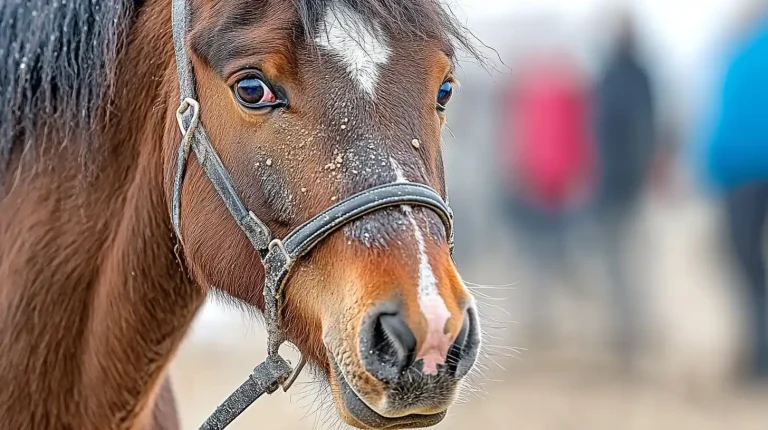

Is My Horse in Pain? The Complete Guide to Recognizing Signs, Management, and Effective Treatment
Every horse owner faces this critical question at some point: “Is my horse in pain?” Unlike humans, horses cannot verbally communicate their discomfort, making pain recognition a vital skill that can mean the difference between early intervention and serious complications. Understanding equine pain signals, implementing proper management strategies, and knowing when to seek veterinary care are essential components of responsible horse ownership.
This comprehensive guide will equip you with the knowledge to identify both obvious and subtle pain indicators, explore evidence-based management approaches, and understand modern treatment options that can restore your horse’s comfort and performance.
Understanding Equine Pain: More Than Meets the Eye
Horses experience pain similarly to humans but express it through behavioral changes, postural adjustments, and physiological responses. Pain serves as a protective mechanism, alerting the body to potential injury or illness. However, horses have evolved as prey animals, instinctively masking pain to avoid appearing vulnerable to predators—making pain recognition particularly challenging for horse owners.
Equine pain can be categorized into several types:
Acute Pain: Sudden onset, typically resulting from injury, colic, or acute inflammation. This type of pain usually presents with more obvious behavioral changes.
Chronic Pain: Long-term discomfort lasting weeks to months, often associated with conditions like arthritis, navicular disease, or poorly managed injuries. Chronic pain tends to manifest through subtle behavioral modifications.
Visceral Pain: Internal organ pain, most commonly associated with gastrointestinal issues like colic, which can range from mild discomfort to life-threatening conditions.
Somatic Pain: Musculoskeletal pain affecting bones, joints, muscles, and soft tissues, frequently seen in performance horses.
Recognizing the Signs: Your Horse’s Silent Language
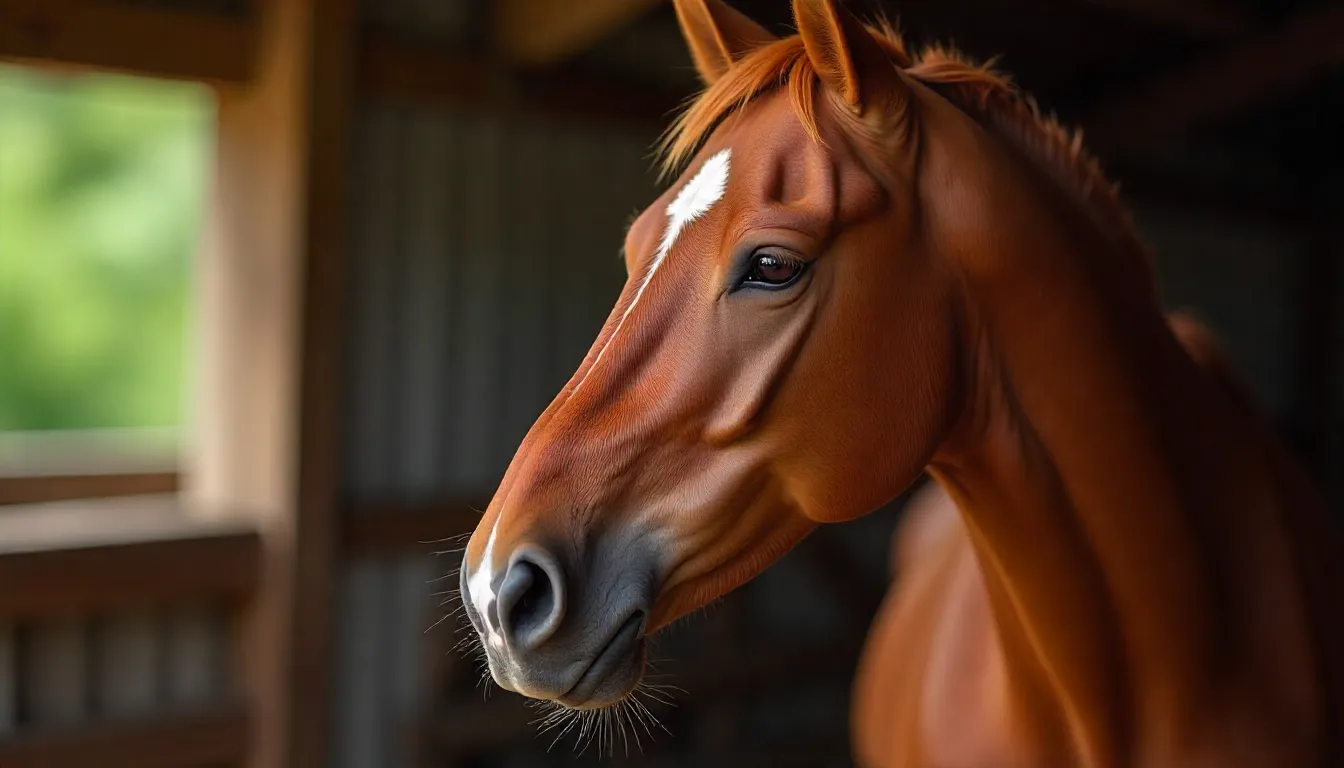
Obvious Pain Indicators
Some pain signs are unmistakable and require immediate veterinary attention:
- Rolling and thrashing: Classic colic symptoms indicating severe abdominal pain
- Pawing at the ground: Often accompanies digestive discomfort
- Kicking at the belly: Another clear sign of abdominal pain
- Obvious lameness: Visible limping or reluctance to bear weight
- Profuse sweating: Without exercise, indicating significant distress
- Rapid breathing: Elevated respiratory rate at rest
- Lying down excessively: Particularly when combined with other symptoms
Subtle Pain Signals Often Overlooked
Many horses display more subtle pain indicators that owners frequently miss:
Behavioral Changes:
- Decreased appetite or selective eating
- Reluctance to move forward under saddle
- Increased aggression or irritability
- Social withdrawal from other horses
- Changes in response to grooming or touching
- Reduced performance or enthusiasm for work
Physical Signs:
- Head shaking or tilting
- Tail swishing without flies present
- Muscle tension or fasciculations
- Changes in facial expression (tightened muscles around eyes, pinned ears)
- Altered posture (standing differently, weight shifting)
- Stiffness when turning or backing
Localized sensitivity or rubbing may also hint at equine skin growths such as papillomas, which can cause discrete pain.
Performance-Related Indicators:
- Bucking, rearing, or other evasive behaviors under saddle
- Difficulty with specific movements or gaits
- Shortened stride length
- Reluctance to jump or perform previously comfortable activities
- Increased resistance to rider aids
You can learn more about how kicking behavior due to pain often reflects underlying discomfort in our in-depth analysis of horse kicking behavior.
The Horse Grimace Scale: Reading Facial Expressions
Recent veterinary research has developed the Horse Grimace Scale, focusing on facial expressions to assess pain levels. Key features include:
- Stiffly backward ears: Consistent ear position pulled back
- Orbital tightening: Tension around the eyes creating a squinting appearance
- Tension above the eye area: Wrinkled or furrowed brow
- Prominent strained chewing muscles: Visible tension in jaw muscles
- Mouth strained and pronounced chin: Tight-lipped expression with defined chin
Professional Pain Assessment and Diagnosis
When to Call the Veterinarian
Immediate veterinary attention is required for:
- Signs of colic (rolling, pawing, sweating, elevated heart rate)
- Severe lameness or inability to bear weight
- Obvious trauma or injury
- Rapid breathing or elevated temperature
- Complete loss of appetite lasting more than 24 hours
- Any sudden, dramatic behavioral changes
Diagnostic Approaches
Veterinarians employ various methods to assess and locate pain sources:
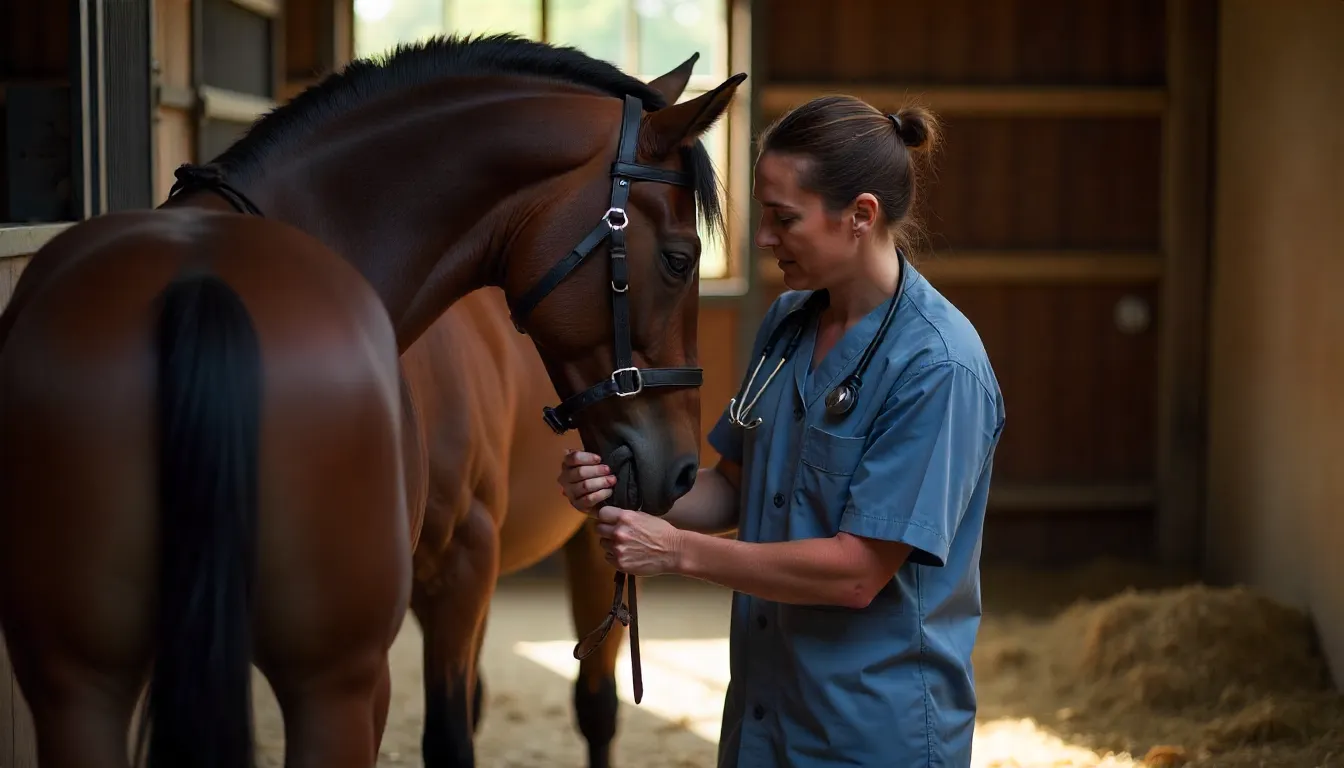
Clinical Examination: Systematic physical evaluation including vital signs, body condition assessment, and hands-on palpation to identify areas of sensitivity or swelling.
Movement Analysis: Observing the horse in motion to detect lameness, gait abnormalities, or compensation patterns that indicate pain.
Flexion Tests: Applying controlled pressure to joints and observing the horse’s response to pinpoint specific problem areas.
Nerve Blocks: Selective numbing of specific areas to isolate pain sources, particularly useful for lameness evaluation.
Advanced Imaging: X-rays, ultrasound, MRI, or nuclear scintigraphy to visualize internal structures and identify pathology.
Blood Work: Laboratory analysis to detect systemic conditions, infections, or metabolic disorders contributing to discomfort.
It’s also important to consider irritating skin conditions like mange, which can cause significant discomfort and pain if left untreated.
Evidence-Based Pain Management Strategies
Pharmaceutical Pain Management
Modern equine pain management relies heavily on several classes of medications:
Non-Steroidal Anti-Inflammatory Drugs (NSAIDs):
- Phenylbutazone (Bute): The most commonly prescribed NSAID for musculoskeletal pain, effective for reducing inflammation and providing analgesia
- Flunixin meglumine (Banamine): Particularly effective for abdominal pain and colic management
- Firocoxib (Equioxx): A newer NSAID with potentially fewer gastrointestinal side effects, suitable for long-term use
Opioid Analgesics:
- Used sparingly in horses due to potential side effects and controlled substance regulations
- Typically reserved for severe pain or post-surgical management
Alpha-2 Agonists:
- Provide both sedation and analgesia
- Commonly used in combination with other pain medications
Local Anesthetics:
- Used for diagnostic purposes and targeted pain relief
- Effective for specific procedures or localized pain management
Alternative and Complementary Therapies
Non-pharmaceutical approaches can effectively complement traditional pain management:
Acupuncture: Ancient practice showing promising results for chronic pain conditions, particularly musculoskeletal issues and some internal medicine applications.
Chiropractic Care: Manual therapy focusing on spinal alignment and joint mobility, beneficial for horses with back pain or movement restrictions.
Massage Therapy: Therapeutic bodywork that improves circulation, reduces muscle tension, and promotes relaxation while enhancing the human-horse bond.
Cold Therapy: Ice application for acute injuries to reduce inflammation and provide immediate pain relief.
Heat Therapy: Warm compresses or therapeutic blankets for chronic conditions and muscle tension relief.
Therapeutic Exercise: Controlled movement programs designed to maintain mobility while promoting healing.
Magnetic Field Therapy: Emerging treatment showing potential benefits for wound healing and pain reduction.
Environmental and Management Modifications
Creating a pain-friendly environment supports overall comfort and healing:
Turnout Management: Providing appropriate exercise and social interaction while protecting injured horses from further trauma.
Footing Considerations: Using supportive, consistent surfaces that reduce concussion and provide adequate traction.
Nutritional Support: Ensuring optimal nutrition with potential anti-inflammatory supplements like omega-3 fatty acids and antioxidants.
Stress Reduction: Maintaining consistent routines and minimizing environmental stressors that can exacerbate pain perception.
Developing an Effective Treatment Plan

Collaborative Approach
Successful pain management requires collaboration between horse owners, veterinarians, and other equine professionals. Your role includes:
- Providing detailed observations about your horse’s behavior and changes
- Following medication protocols precisely
- Monitoring response to treatment and reporting concerns
- Implementing management modifications as recommended
- Maintaining detailed records of symptoms and treatment responses
Monitoring Treatment Success
Effective pain management should result in:
- Improved appetite and normal eating patterns
- Increased willingness to move and exercise
- Better performance under saddle
- Reduced defensive behaviors during handling
- Restoration of normal social interactions
- Overall improved quality of life
Long-term Considerations
Chronic pain conditions require ongoing management strategies:
Regular Veterinary Monitoring: Scheduled examinations to assess progress and adjust treatment protocols as needed.
Preventive Care: Maintaining proper hoof care, dental health, and vaccination programs to prevent secondary complications.
Activity Modification: Adjusting exercise programs to accommodate limitations while maintaining fitness and mental stimulation.
Weight Management: Maintaining optimal body condition to reduce stress on joints and improve overall health.
Prevention: Your First Line of Defense
Proactive management significantly reduces pain incidence:
Regular Health Maintenance: Consistent veterinary care, dental work, and farrier services prevent many pain-causing conditions.
Proper Conditioning: Gradual fitness development and appropriate warm-up/cool-down routines reduce injury risk.
Quality Nutrition: Balanced diets supporting optimal health and recovery.
Safe Facilities: Well-maintained fencing, safe turnout areas, and appropriate footing minimize injury potential.
Stress Management: Consistent handling, appropriate socialization, and environmental enrichment support overall well-being.
Frequently Asked Questions
Creating a Pain-Free Future for Your Horse
Understanding equine pain recognition and management empowers you to provide the best possible care for your horse. By developing keen observation skills, maintaining open communication with your veterinary team, and implementing comprehensive management strategies, you can ensure your horse’s comfort and well-being throughout their life.
Remember that pain management is not just about treating existing conditions—it’s about creating an environment and care program that minimizes pain occurrence and maximizes your horse’s quality of life. Your vigilance and proactive approach to equine health can make the difference between a horse that simply survives and one that truly thrives.
The bond between horse and human is built on trust, understanding, and mutual respect. By becoming fluent in your horse’s silent language of pain, you strengthen this partnership while ensuring that your equine companion receives the compassionate care they deserve.