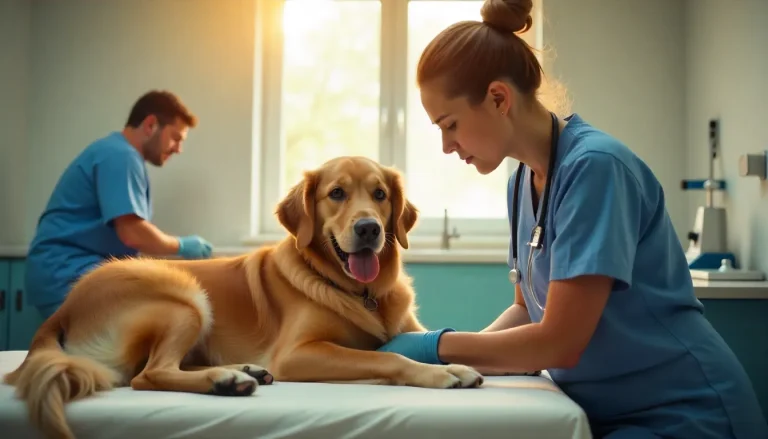
September Is Animal Pain Awareness Month: How To Tell if a Dog Is in Pain and What You Can Do To Help
Every September, veterinary professionals and pet advocates unite to raise awareness about a critical issue affecting millions of companion animals: pain recognition and management. More than 45 million household pets suffer from chronic or acute pain, yet many pet owners struggle to identify when their beloved dogs are experiencing discomfort. Understanding the subtle and obvious signs of canine pain, along with effective treatment options, can dramatically improve your dog’s quality of life and strengthen the bond you share.
This comprehensive guide will equip you with the knowledge to recognize pain signals in dogs, understand when professional intervention is necessary, and explore evidence-based treatment approaches that can help your four-legged family member live more comfortably.
Understanding Canine Pain: Why Recognition Matters
Dogs experience pain similarly to humans, but their natural instincts often mask discomfort as a survival mechanism. Chronic pain can be subtle, and masked as “getting old” or “slowing down.” Old age is not a disease, but pain is. This misconception leads many pet owners to dismiss behavioral changes as normal aging, potentially allowing treatable conditions to progress unnecessarily.
The challenge lies in the fact that dogs cannot verbally communicate their pain levels or describe their symptoms. Instead, they rely on behavioral cues, physical changes, and subtle modifications in their daily routines to signal distress. Learning to interpret these signals becomes crucial for providing timely intervention and preventing chronic suffering.
Recognizing the Signs: How Dogs Communicate Pain

Obvious Pain Indicators
There are obvious pain signals your pet may be giving you, including lethargy, heavy panting, and incontinence. These clear warning signs typically indicate moderate to severe discomfort and warrant immediate veterinary attention:
Physical Signs:
- Excessive panting when not hot or after exercise
- Trembling or shaking
- Hunched or tense posture
- Limping or favoring one limb
- Difficulty rising, lying down, or climbing stairs
- Loss of bladder or bowel control
Behavioral Changes:
- Sudden aggression or snapping when touched
- Withdrawal from family activities
- Reluctance to move or exercise
- Unusual restlessness or inability to settle
Subtle Pain Indicators
Other signs can be more subtle, and often mistaken for slowing down with age. These less obvious symptoms require careful observation and often develop gradually:

Activity Level Changes: If your four-legged friend has suddenly lost interest in toys and/or playing, they could be in pain. Watch for decreased enthusiasm for walks, reluctance to engage in favorite activities, or shortened play sessions.
Vocalization Patterns: Whining, whimpering, howling, and growling can be signs of pain. During Animal Pain Awareness Month, it’s a good idea to closely monitor any shifts in your pet’s normal vocalization patterns. Some dogs become more vocal when uncomfortable, while others may become unusually quiet.
Grooming Behaviors: For dogs, excessive licking can be an indication of pain, an attempt to soothe either an external wound or an area that is painful on the inside—for example, licking a knee after pulling a ligament. Conversely, decreased grooming or difficulty reaching certain areas may also indicate discomfort.
Dental issues—like difficulty chewing or pawing at the mouth—can be overlooked signs of pain; regular dental care is vital to prevent discomfort.
Monitoring Your Dog’s Behavior
Monitoring your pets’ behavior is essential. Changes in activity levels, unusual behavior, or signs of discomfort can indicate pain. Common pain symptoms include limping, decreased appetite, and reluctance to move or play.
Establish a baseline understanding of your dog’s normal behavior patterns, including:
- Typical activity levels throughout the day
- Normal eating and drinking habits
- Regular sleeping patterns and preferred resting positions
- Social interaction preferences
- Response to touch and handling
Document any deviations from these established patterns, as even small changes can provide valuable information to your veterinarian.
When to Seek Professional Help
If you suspect your pet is in pain, handle them with care. Schedule a veterinary consultation when you observe:
- Any combination of pain signs lasting more than 24-48 hours
- Sudden onset of severe symptoms
- Progressive worsening of subtle signs
- Changes in eating, drinking, or elimination habits
- Mobility issues or reluctance to move
Remember that early intervention often leads to better outcomes and can prevent minor issues from developing into chronic conditions.
Modern Pain Management: Evidence-Based Treatment Options
Veterinary pain management has evolved significantly, with the approval of safe and effective nonsteroidal anti-inflammatory agents for veterinary use in the 1990s, analgesia became accessible as a therapeutic mainstay in postoperative settings and in cases of chronic pain.
Multimodal Pain Management Approach
Expert consensus emphasizes proactive, preemptive pain management rather than a reactive, “damage control” approach. The guidelines discuss treatment options centered on preemptive, multimodal analgesic therapies.

Modern veterinary practice employs multiple treatment modalities simultaneously to maximize pain relief while minimizing side effects:
Pharmaceutical Options:
- NSAIDs (Nonsteroidal Anti-Inflammatory Drugs) for inflammation reduction
- Opioid medications for severe acute pain
- Gabapentin for nerve-related pain
- Tramadol for moderate pain management
Alternative Therapies:
- Acupuncture for chronic pain conditions
- Physical therapy and rehabilitation
- Laser therapy for tissue healing
- Massage and hydrotherapy
Nutritional Support
Glucosamine and chondroitin are very popular alternative treatments. It’s not clear if they help, but some research has found that they may make swelling (inflammation) go down and help cartilage repair itself. They also may help protect and lubricate existing cartilage.
Nutritional supplements can support joint health and may provide additional pain relief, particularly for dogs with arthritis or degenerative joint disease.
Many pet owners complement pharmaceutical pain relief with joint supplements—such as glucosamine and chondroitin—to support cartilage health and reduce inflammation in arthritic dogs.
Special Considerations for Senior Dogs
Older pets are at the highest risk to develop this type of chronic inflammation. Symptoms of osteoarthritis vary by individual’s level of pain tolerance. Your dog or cat may exhibit a decreased level of activity, occasional lameness or limp, and a stiff gait that worsens with exercise.
Senior dogs require special attention because:
- Age-related conditions develop gradually
- Pain tolerance may change with age
- Multiple conditions may occur simultaneously
- Treatment plans may need more frequent adjustments
For example, dogs with arthritis may be reluctant to walk or climb stairs, while cats might avoid jumping on furniture. By being proactive and recognizing these signs, pet owners can seek timely medical intervention, providing their pets with the relief they need to live a happier, healthier life.
Creating a Pain-Free Environment at Home
While professional veterinary care remains essential, you can make environmental modifications to support your dog’s comfort:

Physical Environment:
- Provide orthopedic bedding for joint support
- Install ramps or steps to reduce jumping
- Maintain consistent room temperatures
- Ensure easy access to food and water
Routine Modifications:
- Shorter, more frequent walks instead of long sessions
- Gentle stretching or range-of-motion exercises
- Regular grooming assistance if mobility is limited
- Consistent medication scheduling
Safety Considerations and Medication Guidelines
NSAIDs must be used with caution because there is the potential for liver, kidney complications. Never administer human pain medications to dogs, as many common household pain relievers are toxic to canines.
Always work with your veterinarian to:
- Determine appropriate medication types and dosages
- Monitor for side effects during treatment
- Adjust treatment plans based on response
- Combine therapies safely and effectively
Keeping a well-stocked dog first aid kit on hand can help you manage minor injuries safely while seeking veterinary care.”
Prevention and Early Intervention Strategies
Early detection and proper pain management are crucial for improving the quality of life of your dog. Preventive measures include:
- Regular veterinary wellness examinations
- Maintaining healthy body weight
- Providing appropriate exercise for age and condition
- Dental care to prevent oral pain
- Prompt treatment of injuries or illnesses
Looking Forward: The Future of Canine Pain Management
Although pain management is now an established component of therapy, the development of new analgesics and nonpharmacologic modalities makes this a still evolving facet of clinical practice. Emerging treatments include regenerative medicine, advanced physical therapy techniques, and targeted pharmaceutical approaches.
Frequently Asked Questions About Dog Pain
Your Role in Your Dog’s Pain Management
Nothing hurts pet parents more than believing their pet is in pain. September’s Animal Pain Awareness Month serves as an important reminder that recognizing and addressing canine pain requires vigilance, education, and partnership with veterinary professionals.
By understanding the signs of pain, knowing when to seek help, and working closely with your veterinarian to develop comprehensive treatment plans, you can significantly improve your dog’s quality of life. Remember that pain management is not a luxury—it’s an essential component of responsible pet ownership that ensures our canine companions can live their happiest, most comfortable lives.
Stay observant, act proactively, and never hesitate to advocate for your dog’s comfort and well-being. Your attention to their needs and your commitment to their care makes all the difference in their daily experience and long-term health outcomes.