

How to Care for a Pet Dwarf Hamster: Everything You Need to Know
Dwarf hamsters are tiny bundles of joy that bring endless entertainment and companionship to their owners. With their curious personalities, adorable antics, and low-maintenance care requirements, these little rodents have become a popular choice for pet lovers. But don’t let their small size fool you—dwarf hamsters have specific needs that must be met to ensure they live a happy and healthy life.
Whether you’re a first-time hamster owner or a seasoned pet enthusiast, this comprehensive guide will walk you through every aspect of dwarf hamster care. From setting up the perfect habitat to understanding their dietary needs and social behaviors, we’ve got you covered. By the end of this article, you’ll be equipped with the knowledge to provide your furry friend with the best possible care.

Why Dwarf Hamsters Make Great Pets
The Appeal of Dwarf Hamsters
Dwarf hamsters are small, adorable, and relatively easy to care for, making them ideal pets for both children and adults. Their playful nature and nocturnal habits provide endless entertainment, especially for those who enjoy observing their pets’ activities during the evening hours.
Dwarf Hamster Species Overview
There are several species of dwarf hamsters, each with unique characteristics:
- Campbell’s Dwarf Hamster: Known for their friendly demeanor and adaptability.
- Roborovski Dwarf Hamster: The smallest and fastest species, best for observation rather than handling.
- Winter White Dwarf Hamster: Recognized for their ability to change coat color in winter.
- Chinese Hamster: Not a true dwarf but similar in size and care requirements.

Setting Up the Perfect Habitat
Choosing the Right Cage
A spacious cage is essential for your dwarf hamster’s well-being. The minimum recommended size is 450 square inches of floor space, but bigger is always better. Options include:
- Glass Aquariums: Provide excellent visibility and protection from drafts.
- Wire Cages: Ensure proper ventilation but require careful bar spacing to prevent escapes.
- Plastic Habitats: Offer modular designs but may lack sufficient space.
Essential Cage Accessories
- Bedding: Use 1-2 inches of paper-based or aspen bedding for burrowing and comfort. Avoid cedar and pine shavings, as they can be harmful.
- Exercise Wheel: Choose a solid-surface wheel (6.5-8 inches in diameter) to prevent injuries.
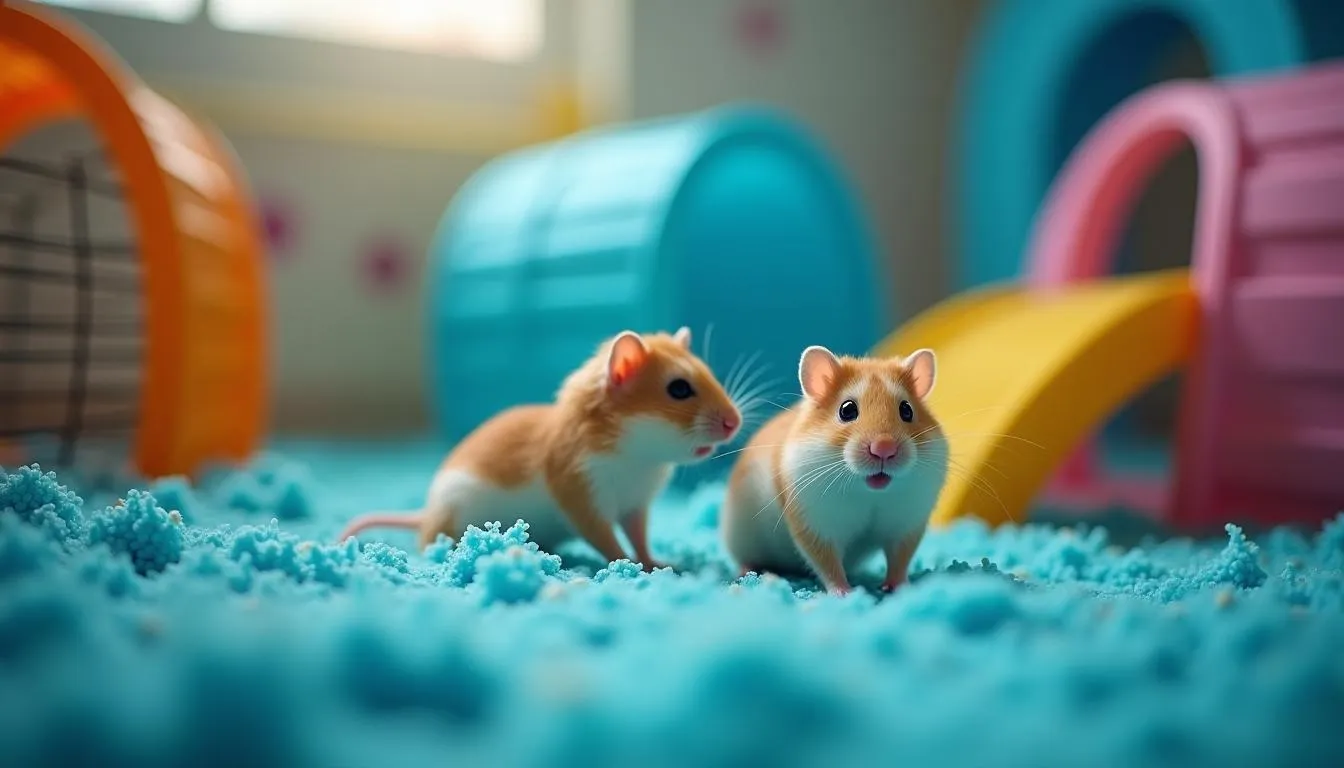
- Hideouts and Tunnels: Provide safe spaces for your hamster to retreat and explore.
Feeding Your Dwarf Hamster
A Balanced Diet
Dwarf hamsters thrive on a diet of high-quality commercial hamster food, supplemented with fresh fruits, vegetables, and occasional protein sources like mealworms. Avoid sugary or fatty treats to prevent health issues like diabetes.
Feeding Schedule
- Daily: Provide 1-2 tablespoons of commercial food.
- Weekly: Offer small portions of fresh produce, such as carrots, broccoli, or apples.
- Always: Ensure access to clean, fresh water via a bottle or dish.

Daily Care and Maintenance
Cleaning the Cage
- Spot Cleaning: Remove soiled bedding daily.
- Deep Cleaning: Clean the entire cage every 1-2 weeks using pet-safe disinfectants.
Handling and Socialization
- Gentle Handling: Use a scoop or cup to lift your hamster, especially if they’re skittish.
- Bonding: Spend time near the cage daily to help your hamster get used to your presence.

Common Health Issues and Prevention
Signs of Illness
- Wet Tail: A bacterial infection causing diarrhea; requires immediate veterinary attention.
- Overgrown Teeth: Provide chew toys to prevent dental issues.
- Diabetes: Common in Campbell’s hamsters; monitor diet and weight.
Preventive Care
- Regular Checkups: Schedule annual vet visits for health assessments.
- Clean Environment: Maintain a hygienic habitat to prevent infections.
Enrichment and Playtime
Toys and Activities
- Exercise Wheels and Balls: Encourage physical activity.
- Chew Toys: Keep teeth healthy and prevent boredom.
- Tunnels and Mazes: Stimulate natural burrowing instincts.
Free Roaming
Allow supervised playtime in a hamster-proofed area to provide mental stimulation and exercise.

Frequently Asked Questions (FAQs)
Can Dwarf Hamsters Live Together?
Some species, like Campbell’s and Winter Whites, can live in same-sex pairs if introduced early. However, monitor for signs of aggression.
How Long Do Dwarf Hamsters Live?
On average, dwarf hamsters live 1.5-3 years, depending on species and care.
Do Dwarf Hamsters Like to Be Held?
With gentle handling and patience, most dwarf hamsters can become comfortable with being held.
Your Guide to a Happy Hamster
Caring for a dwarf hamster is a rewarding experience that requires attention to detail and a commitment to their well-being. By providing a spacious habitat, a balanced diet, and plenty of enrichment, you can ensure your tiny friend lives a long, healthy, and happy life.
For more tips on hamster care, check out our articles on Choosing the Best Hamster Cage and Understanding Hamster Behavior.
