


How Snaffle Bits Work: Understanding Their Function and Use
The Essential Tool for Effective Horse Communication
Have you ever wondered how a simple piece of metal can transform the way you communicate with your horse? Enter the snaffle bit, one of the most widely used and versatile tools in equestrianism. Whether you’re a beginner or an experienced rider, understanding how snaffle bits work is crucial for effective and humane horse training.
In this detailed guide, we’ll explore the anatomy, mechanics, and proper use of snaffle bits. By the end, you’ll not only know how they function but also how to choose the right one for your horse and riding discipline. Let’s dive into the world of snaffle bits and unlock the secrets to better communication with your equine partner.

What is a Snaffle Bit?
Definition and Basic Anatomy
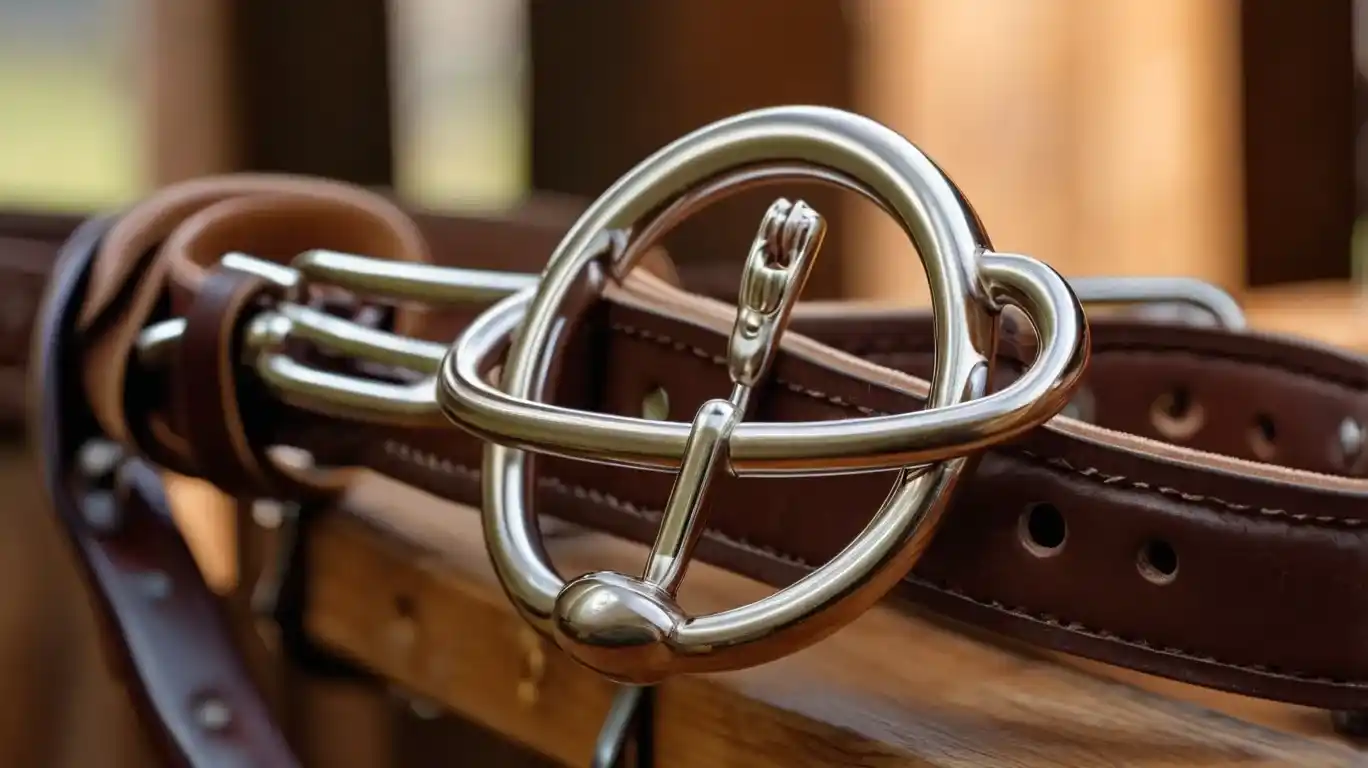
A snaffle bit is a type of horse bit that consists of a mouthpiece and rings on either side. Unlike leverage bits, snaffle bits work on direct pressure, meaning the pressure applied by the reins is directly transferred to the horse’s mouth.
Key Components of a Snaffle Bit
- Mouthpiece: The part that sits inside the horse’s mouth. It can be made of metal, rubber, or synthetic materials.
- Rings: The circular or D-shaped attachments on either side of the mouthpiece. These connect to the reins and bridle.
- Cheeks: Some snaffle bits have cheekpieces that provide additional stability and control.
How Do Snaffle Bits Work?
The Mechanics of Direct Pressure
Snaffle bits operate on the principle of direct pressure. When the rider pulls on the reins, the pressure is applied directly to the horse’s bars, tongue, and corners of the mouth. This pressure signals the horse to stop, turn, or slow down.
Types of Action
- Lateral Action: When one rein is pulled, the bit applies pressure to one side of the mouth, encouraging the horse to turn.
- Vertical Action: When both reins are pulled evenly, the bit applies pressure to the bars and tongue, signaling the horse to stop or slow down.

Types of Snaffle Bits
1. Single-Jointed Snaffle
The most common type, featuring a single joint in the middle of the mouthpiece. It creates a nutcracker effect on the horse’s tongue and bars.
2. Double-Jointed Snaffle
Features two joints, reducing the nutcracker effect and providing a more even pressure distribution.
3. Mullen Mouth Snaffle
Has a straight or slightly curved mouthpiece, ideal for horses with sensitive mouths.
4. Eggbutt Snaffle
The rings are fixed to the mouthpiece, preventing pinching and providing a stable feel.
5. D-Ring Snaffle
The rings are shaped like a “D,” offering additional lateral stability.
6. Loose Ring Snaffle

The rings move freely, allowing for more subtle communication but requiring careful fitting to avoid pinching.
Choosing the Right Snaffle Bit for Your Horse
Factors to Consider
- Horse’s Mouth Shape and Size: Ensure the bit fits comfortably without causing pain or discomfort.
- Riding Discipline: Different disciplines may require specific types of snaffle bits.
- Horse’s Experience Level: Younger or less experienced horses may benefit from milder bits.
Common Mistakes to Avoid
- Choosing the Wrong Size: A bit that’s too large or too small can cause discomfort and ineffective communication.
- Ignoring the Horse’s Preferences: Some horses may prefer certain materials or designs over others.
Proper Use and Maintenance of Snaffle Bits
Fitting the Bit Correctly
- Width: The bit should extend about 1/4 inch beyond the horse’s lips on each side.
- Height: Adjust the bridle so the bit creates 1-2 wrinkles at the corners of the horse’s mouth.
Cleaning and Maintenance
- Regular Cleaning: Clean the bit after each use to prevent buildup of saliva and debris.
- Inspection: Check for signs of wear, such as sharp edges or cracks, and replace the bit if necessary.
Benefits of Using a Snaffle Bit
Gentle Communication
Snaffle bits are ideal for young horses and beginners because they provide clear, direct communication without excessive force.
Versatility
Suitable for a wide range of riding disciplines, including dressage, show jumping, and trail riding.
Encourages Softness
Promotes a soft and responsive horse by encouraging them to respond to subtle rein aids.

Frequently Asked Questions (FAQs)
1. Are snaffle bits harsh on horses?
No, when used correctly, snaffle bits are one of the mildest types of bits available.
2. Can I use a snaffle bit for any riding discipline?
Yes, snaffle bits are versatile and can be used in most disciplines, though specific types may be more suitable for certain activities.
3. How do I know if my horse is comfortable with the bit?
Signs of discomfort include head tossing, gaping mouth, and resistance to rein aids.
4. How often should I replace my snaffle bit?
Replace the bit if it shows signs of wear or damage, or if your horse’s needs change.
Mastering the Art of Communication with Snaffle Bits
Understanding how snaffle bits work is essential for any rider looking to build a strong, trusting relationship with their horse. By choosing the right bit, fitting it correctly, and using it with care, you can ensure effective and humane communication.
Remember, the key to success lies in patience, practice, and attention to detail. Whether you’re training a young horse or refining your skills as an experienced rider, the snaffle bit is a tool that can help you achieve your goals.
