

Himalayan Guinea Pig: Everything You Need to Know About This Unique Breed
Imagine a pet that combines the elegance of a Siamese cat with the charm of a guinea pig. Meet the Himalayan guinea pig—a rare and captivating breed known for its striking white coat, dark “points,” and pink eyes. These adorable creatures are not just visually stunning; they’re also social, gentle, and perfect for families or first-time pet owners.
But before you bring home a Himalayan guinea pig, it’s essential to understand their unique needs. From their temperature-sensitive coat to their dietary requirements, these little furballs require specific care to thrive. In this comprehensive guide, we’ll dive deep into the world of Himalayan guinea pigs, covering their history, appearance, temperament, and care tips. By the end, you’ll be equipped with all the knowledge you need to provide a loving and healthy environment for your new pet.

What Makes Himalayan Guinea Pigs Unique?
The Siamese Cats of the Guinea Pig World
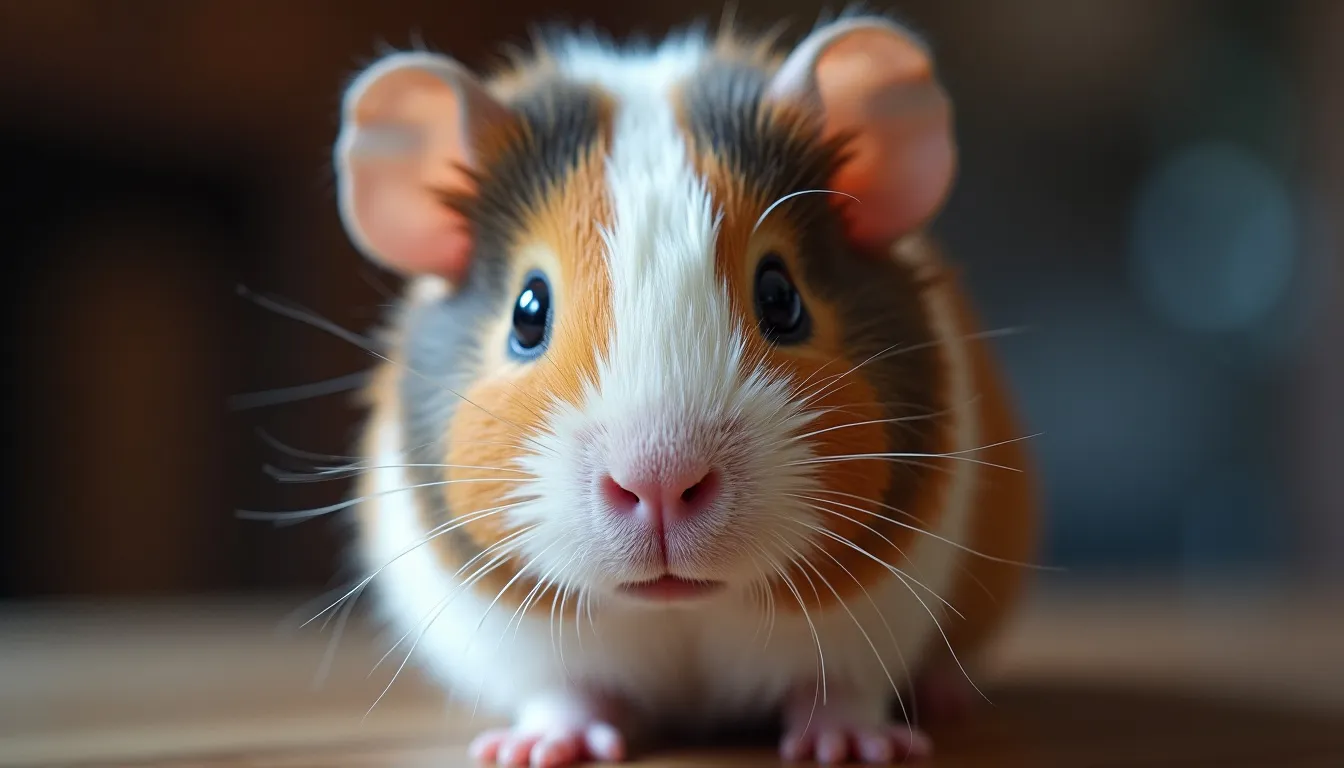
Himalayan guinea pigs are often compared to Siamese cats due to their striking appearance. Born completely white, they develop dark “points” on their ears, nose, and feet as they age. These points are temperature-sensitive, meaning they can darken in cold weather and fade in warm conditions.
Albino Traits and Pink Eyes
Himalayan guinea pigs are considered albino, with their pink eyes and white fur being key identifiers. Their unique coloration is the result of a genetic mutation, making them one of the most visually distinct guinea pig breeds.
Himalayan Guinea Pig Care Guide
Housing and Habitat
Himalayan guinea pigs need a spacious and comfortable living environment. A cage with at least 7.5 square feet of floor space is recommended for one or two guinea pigs. The enclosure should have solid flooring to prevent foot injuries and be lined with soft, absorbent bedding like paper-based materials or fleece liners. Avoid cedar or pine shavings, as they can cause respiratory issues.
Diet and Nutrition
A balanced diet is crucial for Himalayan guinea pigs. Their diet should consist of:
- Timothy Hay: Provides essential fiber for digestion and dental health.
- Fresh Vegetables: Leafy greens like kale, spinach, and bell peppers are rich in vitamin C.
- Guinea Pig Pellets: Choose high-quality pellets fortified with vitamin C.
- Fresh Water: Ensure clean water is always available through a drip-proof bottle.

Grooming and Hygiene
Himalayan guinea pigs have short hair, making grooming relatively easy. Brush their coat once a week to remove dirt and distribute natural oils. Trim their nails regularly to prevent overgrowth and discomfort. Bathing is rarely necessary, but if needed, use lukewarm water and a gentle shampoo.
Temperament and Behavior
Social and Friendly Nature
Himalayan guinea pigs are known for their gentle and sociable temperament. They thrive in pairs or small groups and enjoy interacting with their human companions. However, they can be shy initially and may take time to warm up to new environments.
Playful and Curious
These guinea pigs are naturally curious and love exploring their surroundings. Provide toys, tunnels, and hiding spots to keep them entertained. Supervised playtime outside the cage can also help them stay active and happy.

Common Health Issues and Prevention
Vitamin C Deficiency
Like all guinea pigs, Himalayans cannot produce their own vitamin C. A deficiency can lead to scurvy, characterized by lethargy, joint pain, and poor appetite. Ensure their diet includes vitamin C-rich foods or supplements.
Respiratory and Dental Problems
Himalayan guinea pigs are prone to respiratory infections and dental issues. Maintain a clean habitat, provide plenty of hay for chewing, and schedule regular vet check-ups to catch any health problems early.

Frequently Asked Questions (FAQs)
How Long Do Himalayan Guinea Pigs Live?
With proper care, Himalayan guinea pigs can live between 5 to 7 years, though some may live longer.
Are Himalayan Guinea Pigs Good for Kids?
Yes, their gentle and friendly nature makes them great pets for families with children. However, supervision is recommended to ensure proper handling.

How Much Does a Himalayan Guinea Pig Cost?
Himalayan guinea pigs are rare and can cost between 50to50to100, depending on the breeder and location.
Is a Himalayan Guinea Pig Right for You?
Himalayan guinea pigs are more than just a pretty face—they’re affectionate, social, and relatively low-maintenance pets. However, their unique needs, such as a vitamin C-rich diet and temperature-controlled environment, require commitment and care.
If you’re ready to provide a loving home for these charming creatures, a Himalayan guinea pig can be a delightful addition to your family. For more tips on guinea pig care, check out our articles on Choosing the Best Cage for Your Guinea Pig and Understanding Guinea Pig Behavior.
