
Himalayan Cat Care Guide: Tips for a Happy, Healthy Pet
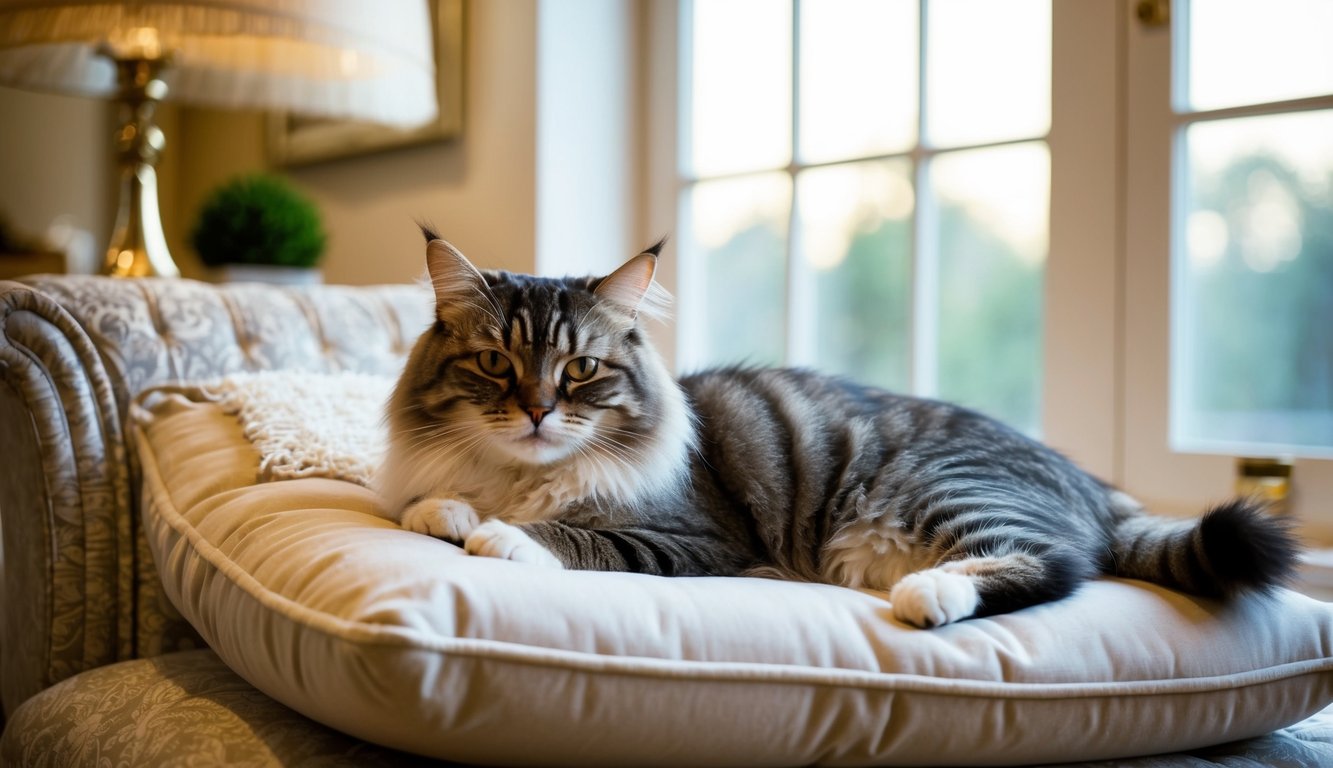
Himalayan cats are a unique breed resulting from the crossing of Persian and Siamese cats. They are recognized for their long, soft fur and distinct flat faces similar to Persians, along with the pointed markings on their ears, face, feet, and tails that are characteristic of Siamese cats. These traits combine to create a striking appearance that is both elegant and adorable.
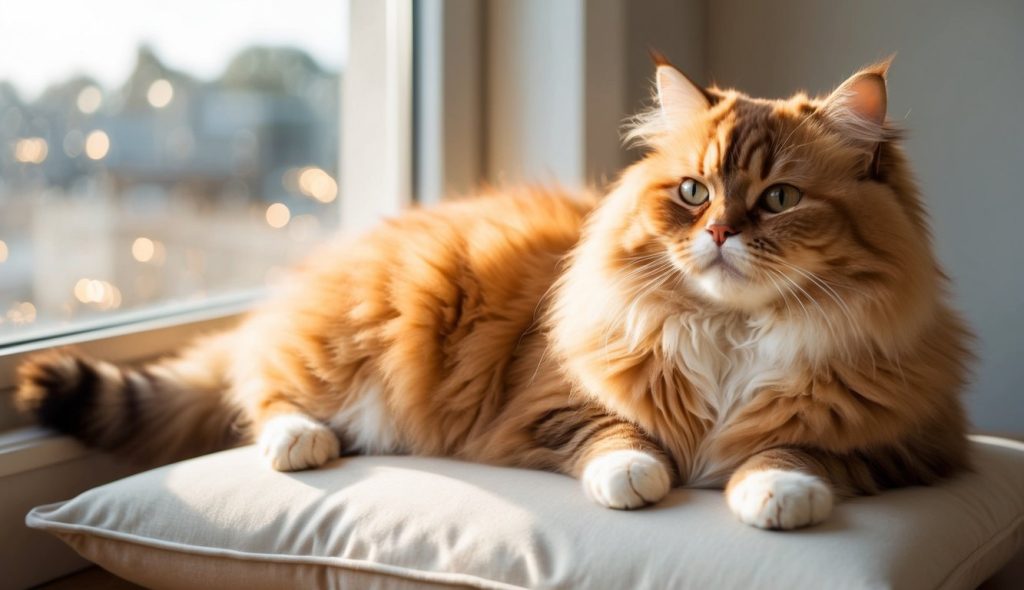
These cats are generally friendly and adaptable, making them wonderful companions in many homes. Weighing between 7 to 12 pounds and standing around 11 inches tall, Himalayans are medium-sized cats known for their calm demeanor. Their affectionate nature allows them to get along well with both people and other pets, making them a favorite among cat enthusiasts.
Caring for a Himalayan Cat
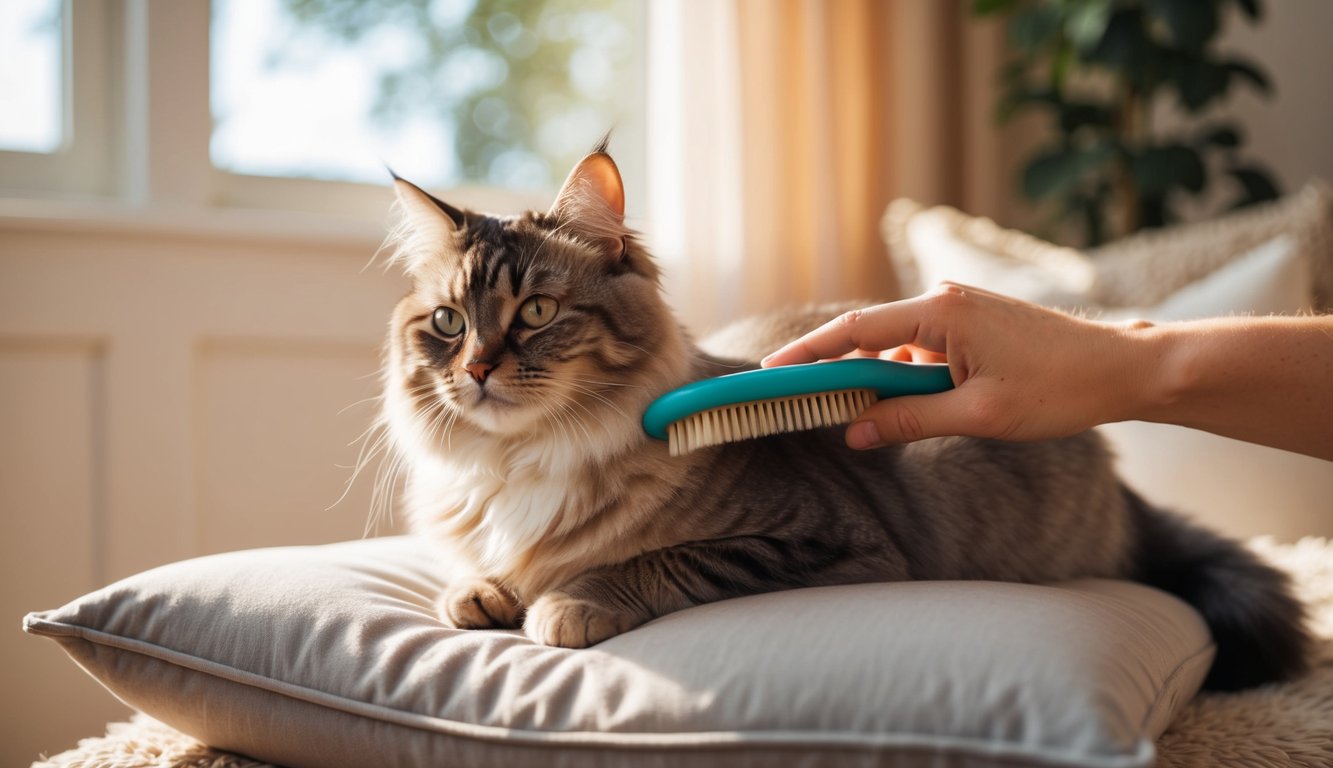
Himalayan cats, also known as “Himmies,” require daily grooming to maintain their stunning coats and prevent tangles. Their fur varies from silky to woolly, so regular brushing is essential.
Though they have a calm demeanor, Himalayans enjoy playing and love interacting with family members. These medium-sized cats thrive in active households where they can be included in daily activities and conversations. Their friendly nature makes them eager companions who greet their owners with enthusiasm.
Himalayan Cat Health Issues

Brachycephalic Airway Syndrome
Himalayan cats are brachycephalic, meaning they have short faces. This can lead to brachycephalic airway syndrome, which causes a variety of breathing problems. Issues like small nostrils, elongated soft palates, or a narrowed trachea can make it tough for these cats to breathe normally.
Signs a Himalayan may struggle include wheezing or panting, especially during exercise or in hot weather. Weight can be a factor in worsening these problems, so keeping a healthy weight is essential. In serious cases, surgery may be recommended to widen the nostrils. If a cat is breathing through its mouth, it requires immediate attention from a veterinarian.
Hypertrophic Cardiomyopathy
Hypertrophic cardiomyopathy (HCM) is a common heart issue found in cats. This condition leads to thickening of the heart muscle, making it harder for the heart to pump blood. Often, there are no noticeable symptoms in the early stages. However, as it progresses, symptoms may include tiredness and trouble breathing.
Regular checkups with a vet can help identify early signs of HCM. Additionally, at-home DNA tests can determine if a cat carries genes linked to this condition. Potential owners should ask breeders about the heart health of both parents, which can give insight into the risk for HCM.
Polycystic Kidney Disease
Polycystic kidney disease (PKD) is a genetic disorder that causes cysts to form in the kidneys. These cysts can damage the kidney tissue and lead to significant health problems over time. Cats may not show symptoms until they reach about 7 years of age, although in rare cases, signs can start as early as 6 months.
Symptoms of PKD can include increased thirst, frequent urination, loss of appetite, and noticeable weight loss. Owners who suspect their cat might have PKD should consult a veterinarian promptly. DNA testing is also available to check for this condition before symptoms arise, providing pet owners with important health information.
Luxating Patella
The luxating patella, sometimes called “kneecap dislocation,” occurs when the patella slips out of its normal position. This can happen due to the structure of the knee joint in some cats. When this happens, it can lead to pain, inflammation, and potential development of arthritis over time.
Managing luxating patella includes maintaining a healthy weight to reduce strain on the knees and providing a nutritious diet. In more serious cases, surgery may be necessary to keep the kneecap in place.
Dental Disease
Dental health can be a concern for all cats, but Himalayans may be at a higher risk due to their unique facial structure. The flat face can cause problems with overcrowding of teeth, making dental issues more likely. Regular dental care is crucial.
Veterinarians may recommend tooth extractions in severe cases of overcrowding. In general, brushing a cat’s teeth regularly with dentally safe products and scheduling professional cleanings can help prevent dental diseases from developing. Regular veterinary visits are essential for maintaining good dental health.
What To Feed a Himalayan Cat

How To Feed a Himalayan
Himalayan cats need a high-quality diet tailored to their specific needs. These cats may look larger because of their fluffy coats, but they are actually stocky animals that can gain weight easily. Instead of allowing them to graze freely, feeding them several small meals throughout the day is better. Engaging feeding methods, like food puzzles or lick mats, can make mealtime exciting for them.
How Much Should You Feed a Himalayan?
Portion sizes for Himalayan cats differ based on their age, activity level, and ideal weight. Cat food packaging usually provides guidelines, but it’s important to adjust portions for the individual cat’s needs. Consulting with a veterinarian can provide precise recommendations on how many calories a Himalayan cat should consume for optimal health.
Nutritional Tips for Himalayan Cats
A complete and balanced diet is essential for Himalayan cats. This means the food should contain all necessary nutrients to keep them healthy. If a cat faces any health concerns, a veterinarian might suggest adding specific nutrients to their diet. Regular check-ups can help monitor their weight and nutritional needs to prevent obesity.
Behavior and Training Tips for Himalayan Cats
Himalayan Personality and Temperament
Himalayan cats are known for their calm and sweet nature. They enjoy lounging but can switch to playful antics, especially with interactive toys. Although they love their naps, encouraging them to be active is essential for their well-being.
Himalayan Behavior
These cats are typically gentle and friendly, making them great family pets. They adapt well to children and other animals when introduced properly. While Himalayans can be a bit reserved initially, they tend to adjust to new routines with some patience.
Himalayan Training
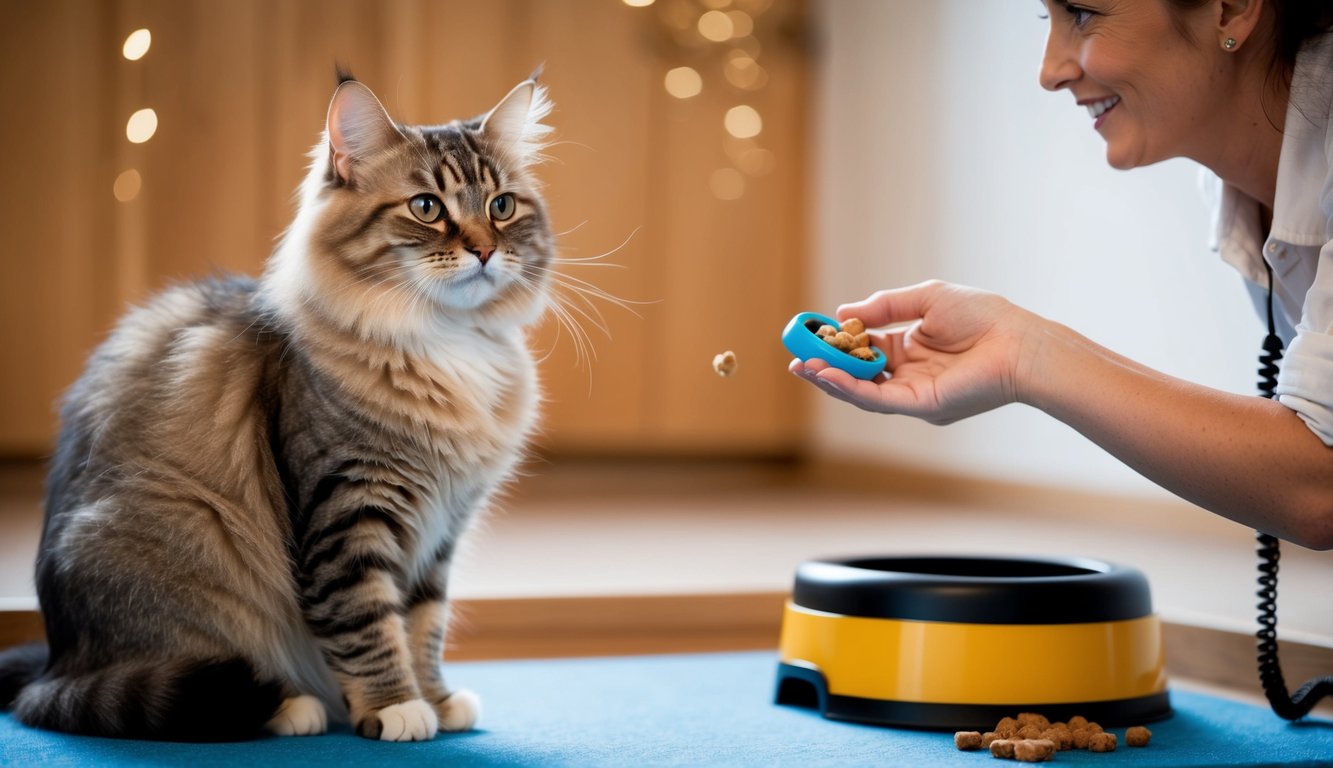
Training a Himalayan cat can be fun and rewarding. Using clicker training along with tasty treats can help teach them simple commands. While most Himalayans are quite intelligent, they may not always be eager to learn, so finding what motivates them is key.
Fun Activities for Himalayan Cats
- Sunbathing: They love soaking up rays.
- Playtime: Engage them with wands or balls.
- Grooming: Many enjoy being brushed and pampered.
- Cuddling: They appreciate time spent with their owners.
- Puzzle Toys: These can stimulate their minds and keep them active.
Encouraging these activities will keep them happy and healthy.
Himalayan Cat Grooming Guide
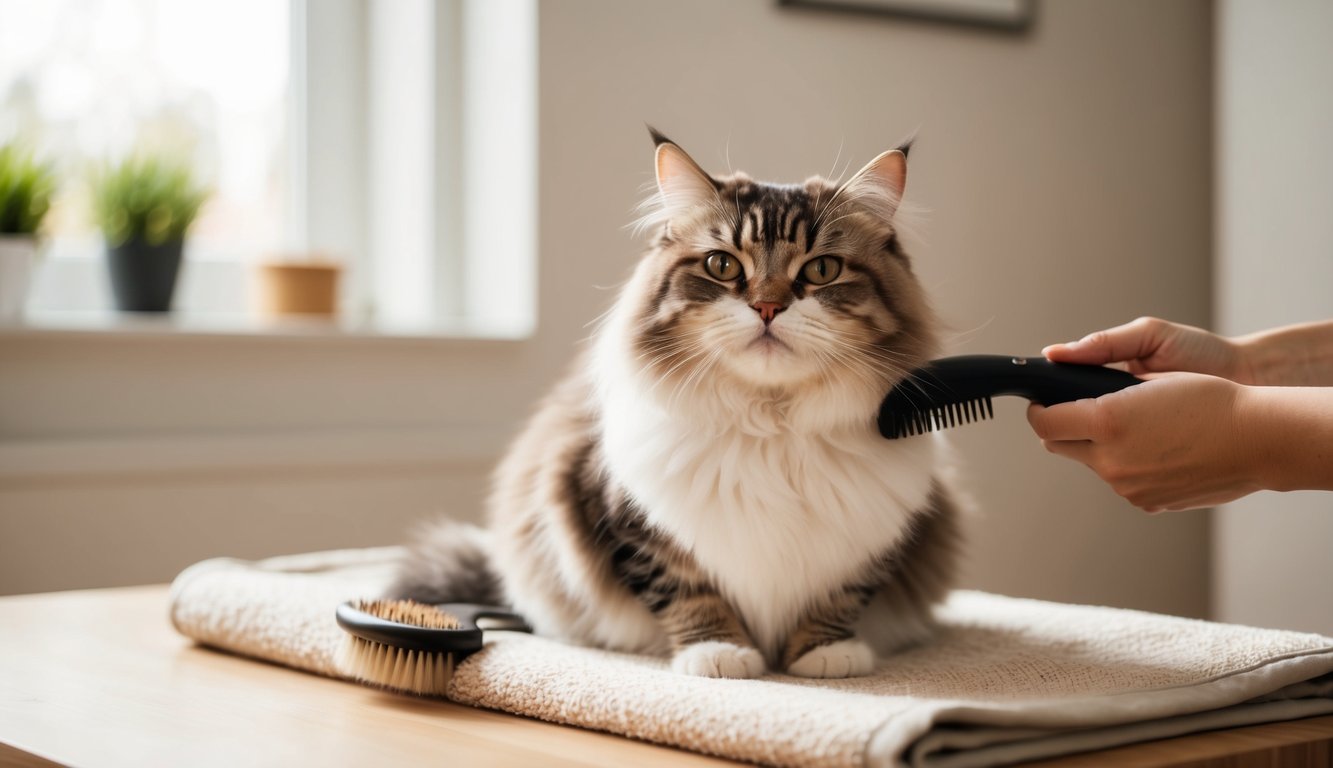
Skin Care
Himalayan cats require regular attention to their skin. Weekly baths may be necessary to avoid matting of their long, thick fur. For those prone to skin issues or allergies, it is important to consult a veterinarian about suitable shampoos, which might include specialized prescription formulas.
Coat Care
These cats have luxurious, long fur, often cream in color, with darker “points” located on their ears, nose, feet, and tail. The points can vary in shades like seal, blue, lilac, chocolate, flame, and cream. To maintain a healthy coat and prevent painful tangles, daily grooming is essential. A comb that reaches the dense undercoat is ideal. Some owners may opt for professional haircuts to manage their Himalayan’s fur effectively.
Eye Care
Himalayan cats are known for their large blue eyes, which can produce more tears than other breeds due to their flat faces. This may lead to tear stains and fur that is prone to infections. To keep the eyes clean and healthy, gently wipe the area with a warm, damp cotton cloth. It’s advisable to consult a veterinarian before using any cleaning agents near the eyes.
Ear Care
Ear maintenance for Himalayans is straightforward but important. Owners should inspect the ears regularly and clean them gently if dirt is visible. If signs of infection arise, such as redness, unpleasant odors, or excessive itching, a veterinarian should be consulted for further evaluation.
Considerations for Cat Owners
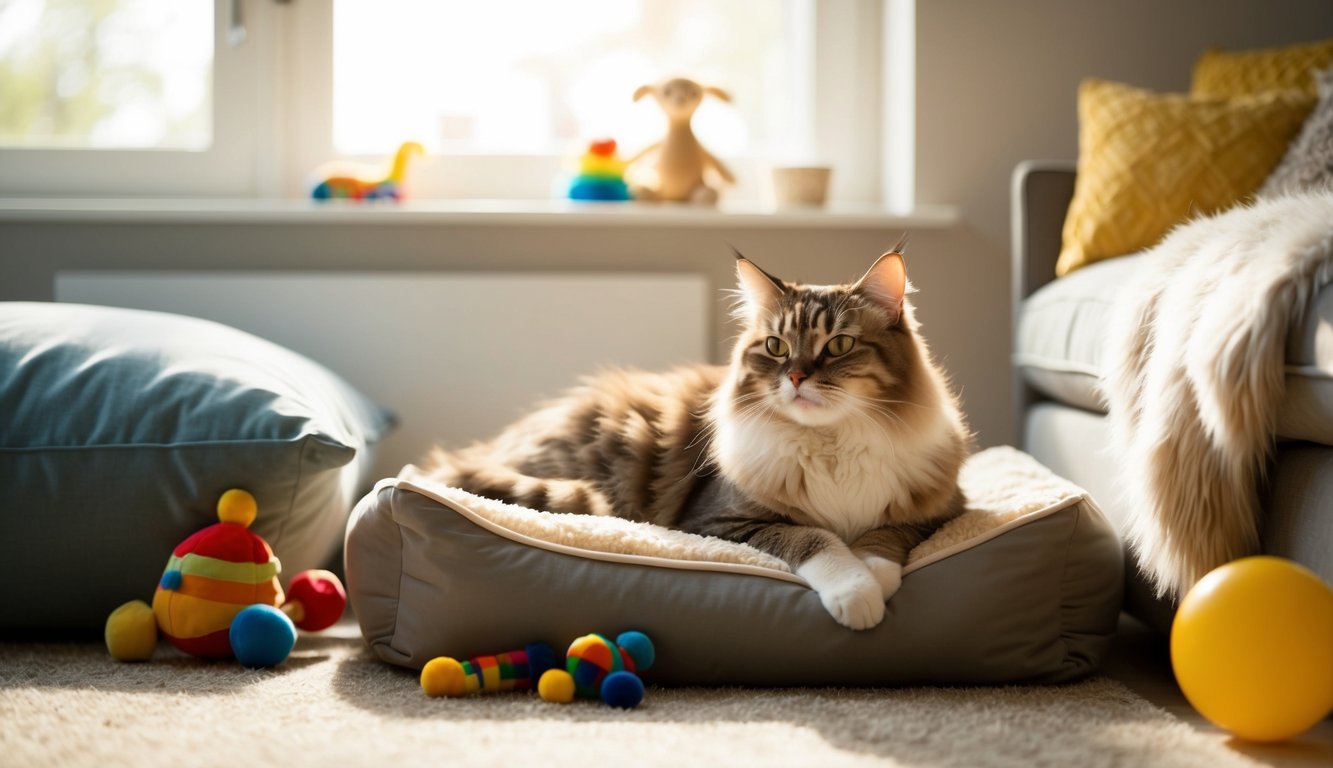
Himalayan cats are known for their gentle and loving nature, making them great choices for first-time pet owners and families. They thrive in homes with multiple pets due to their friendly personality. Daily grooming is essential to prevent matting, but these cats often enjoy the attention.
Key Points:
- Consider spaying or neutering to help control the cat population.
- When looking for Himalayan kittens, explore reputable breeding programs or consider adoption.
- Their playful nature ensures they bond well with both humans and other animals.
Himalayan Cat FAQs

What is the price range for Himalayan cats?
The cost of Himalayan cats varies widely, typically between $500 and $2,500. For those looking to adopt, purebred cat rescues may offer Himalayan cats at a lower price compared to buying from breeders.
Are Himalayan cats suitable as pets?
Himalayans can be wonderful pets for families who can dedicate time to grooming and interacting with them. They generally get along well with children and other animals if introduced correctly.
How long do Himalayan cats usually live?
The lifespan of Himalayan cats often ranges from 9 to 15 years. They may face certain health challenges that could affect their longevity.