
Hairless Cats: Understanding Their Unique Care and Characteristics
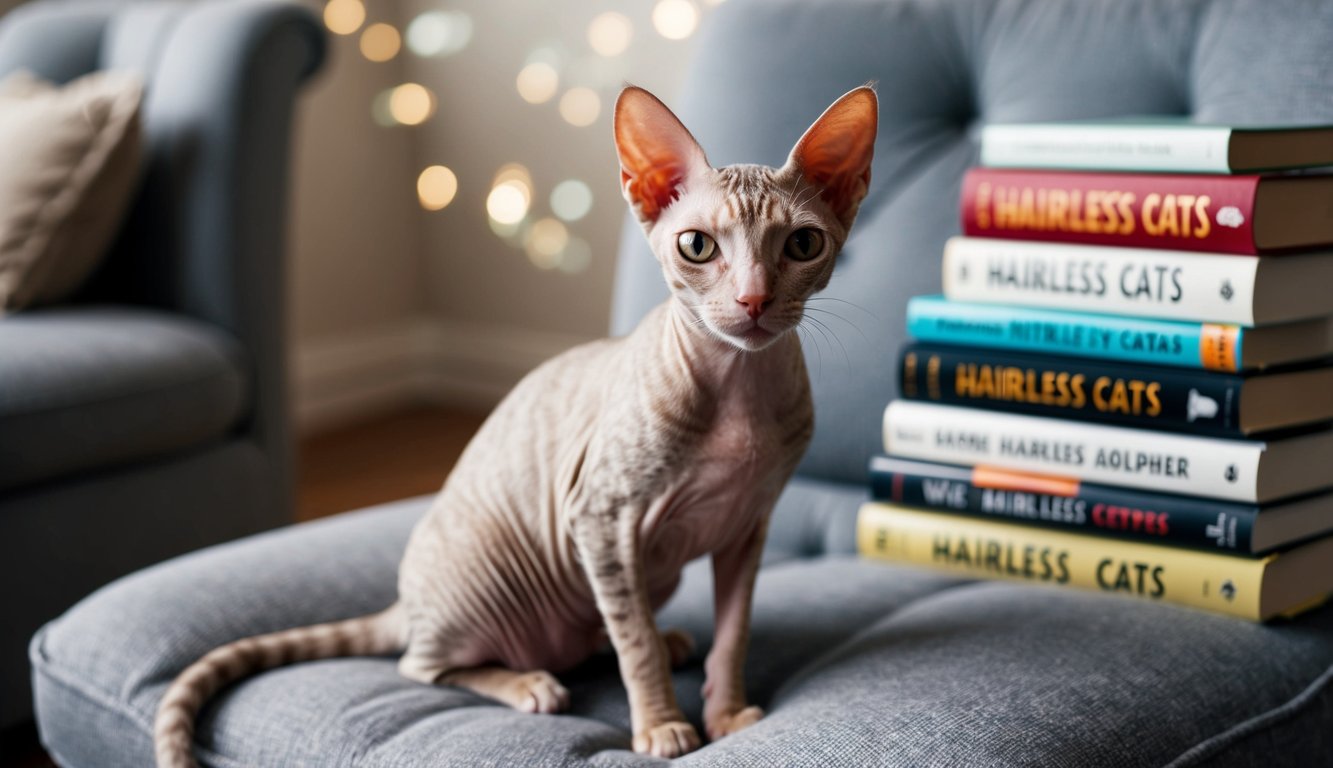
Cats come in various types, but a special group stands out for their unique appearance: hairless cats. Unlike the fluffy or short-haired varieties, these cats may display a completely bald look or have a fine layer of downy fur. Their striking features often grab attention and can spark curiosity among potential pet owners.
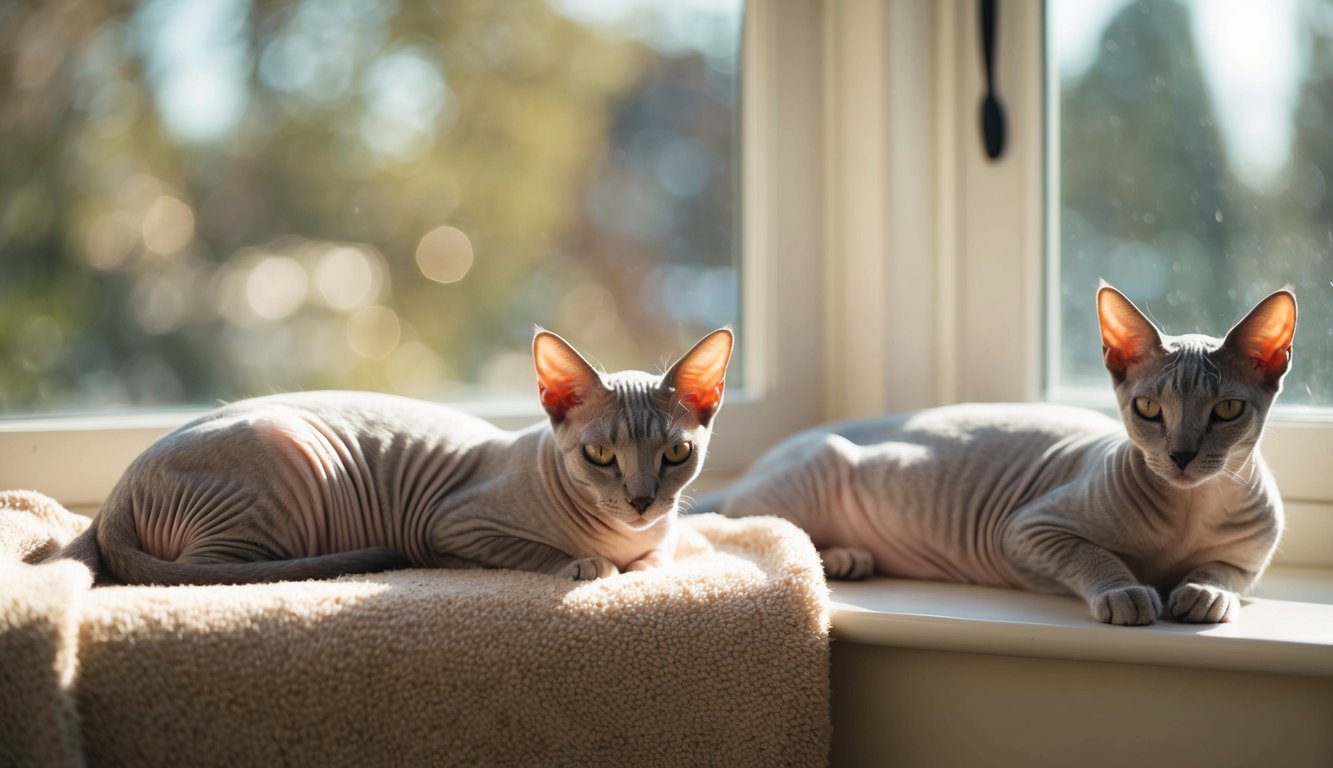
Despite the misconception that hairless breeds are easy to care for, they actually need dedicated grooming and protection from the elements. Owners of these distinctive felines appreciate the extra care required, believing that the bond formed with these special cats makes it all worthwhile. Six notable hairless cat breeds offer a glimpse into this fascinating world.
Hairless Cat Breeds
1. Sphynx
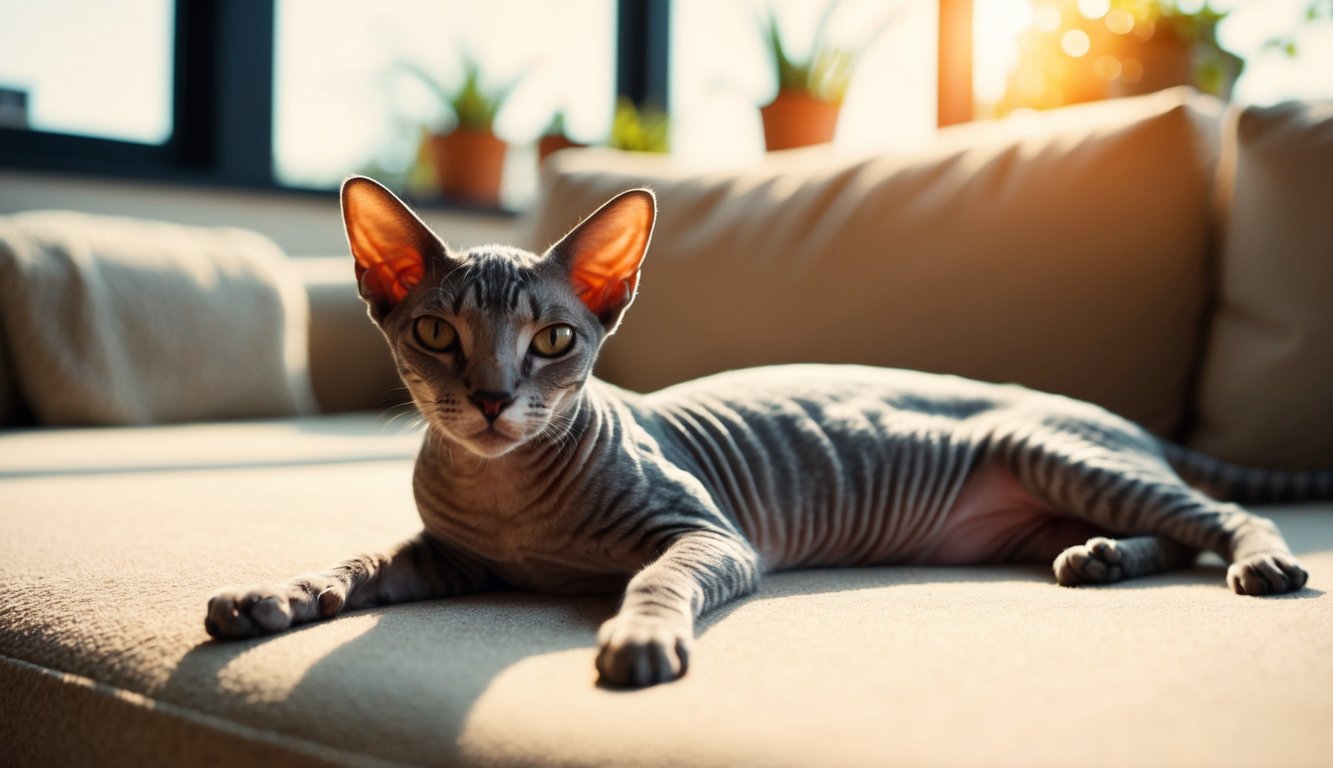
The Sphynx cat is known for its striking appearance. While it may seem completely hairless, a fine layer of fuzz covers its body. This unique coat feels warm and soft, resembling chamois leather. Sphynx cats are recognizable for their charming wrinkles, large ears, and often playful personalities. Some Sphynx may have whiskers and eyebrows, while others may lack them. These vocal cats are playful and affectionate, making them great companions.
2. Bambino
Bambinos are a relatively new addition to hairless breeds, developed in 2005. They are a mix of the Sphynx and the short-legged Munchkin, creating a unique look. Currently, they are considered an experimental breed and have not yet received official recognition from the Cat Fanciers Association. Bambinos thrive on interaction and love attention from their owners. Bringing home a Bambino requires dedication to daily playtime. They come with a high price, typically costing between $2,000 and $2,800, and their short legs might lead to joint issues.
3. Peterbald
Peterbald cats are distinctive for their large ears that suit their wedge-shaped heads. Although they are rare outside of Russia, they are known for being friendly and energetic. These cats enjoy playing fetch and often stay close to their owners. Not all Peterbalds are completely hairless; this breed can have a range of fur types, from completely bare to curly or even a short coat. Their variety adds to their charm.
4. Donskoy
The Donskoy breed features a fascinating range of fur types, typically categorized into four distinct types:
- Rubber bald: These cats are born hairless and stay that way throughout their lives.
- Flocked: Initially born with soft fuzz, some may eventually lose their fur and become bald.
- Velour: They have fur but are bald on their heads.
- Brush: These cats have patches of hair scattered throughout their coats.
Donskoy cats are known for their friendly nature and intelligence, making them excellent companions for families with children and pets.
5. Lykoi
Often referred to as the werewolf cat, the Lykoi features a unique sparse coat that changes over time—this is known as “wolfing out.” When the fur is present, it is soft and pleasant, perfect for those cuddle sessions. Owning a Lykoi kitten typically requires an investment, as prices start around $1,000, reflecting their unique characteristics and breeding requirements.
6. Ukrainian Levkoy
The Ukrainian Levkoy is a recent breed recognized for its folded ears, making it a relative of the Scottish Fold. Established in 2004, this breed’s long-term health effects are still being studied. Similar to the Scottish Fold, they may inherit joint and cartilage issues. Though not all Ukrainian Levkoy cats display the folded ear trait, they are sought after for their appearance. These cats tend to be calm and often enjoy relaxing in the company of their humans.
Caring for a Hairless Cat

Caring for a hairless cat requires attention to their unique needs. Their lack of fur increases their risk of sunburn, so it’s essential to protect them. Use sunscreen designed for pets and consider window UV filters to keep harmful rays at bay. Additionally, providing cooling mats in hot weather and sweaters during colder months can help them manage temperature changes.
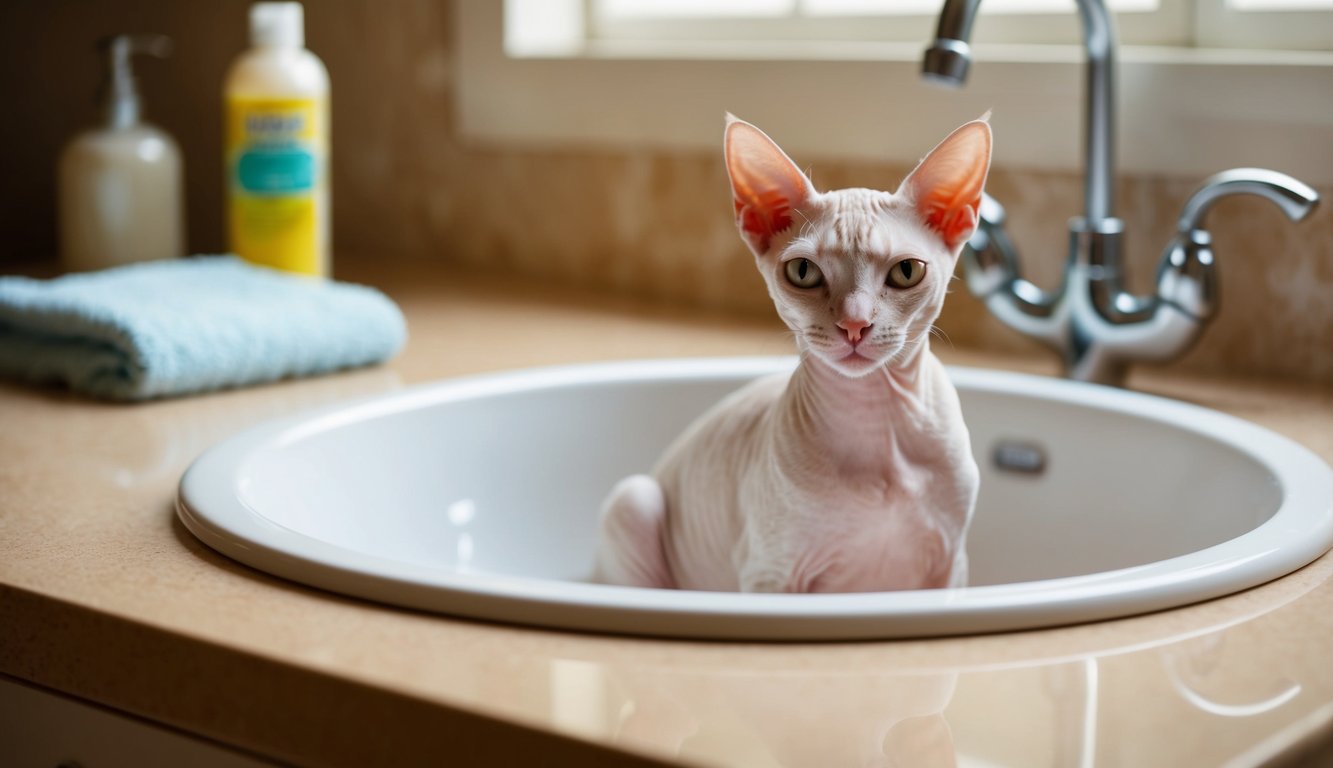
Grooming is crucial for maintaining skin health. Hairless cats tend to have greasier skin, which may require regular baths with hypoallergenic cat shampoo. This prevents dryness while keeping their natural oils balanced. It’s also important to clean their ears and nails frequently due to increased wax and oil buildup.
To support their well-being, give them high-quality food that caters to their fast metabolism. With the right care, hairless cats can thrive and become beloved family members.
Hairless Cat FAQs
Are Hairless Cats Allergy-Friendly?
No cat is completely free from allergens. The substances that cause allergic reactions are found in a cat’s saliva, urine, and skin cells. Hairless cats often produce less dander, making them a better choice for those with allergies. It is advisable for potential cat owners to discuss allergy management with their doctor before bringing a pet home.
What Is the Cost of Hairless Cats?
The price for a hairless kitten typically ranges from $1,000 to $2,000. Their unique status makes them quite rare, so finding one through a shelter is unusual. However, some specialized rescues may have hairless cats available for adoption.
Are Hairless Cats Affectionate?
The friendliness of hairless cats varies based on their social upbringing. Kittens that receive early socialization tend to be more adaptable and friendly. With consistent positive reinforcement, these cats can show a loving, playful nature, making them wonderful companions.