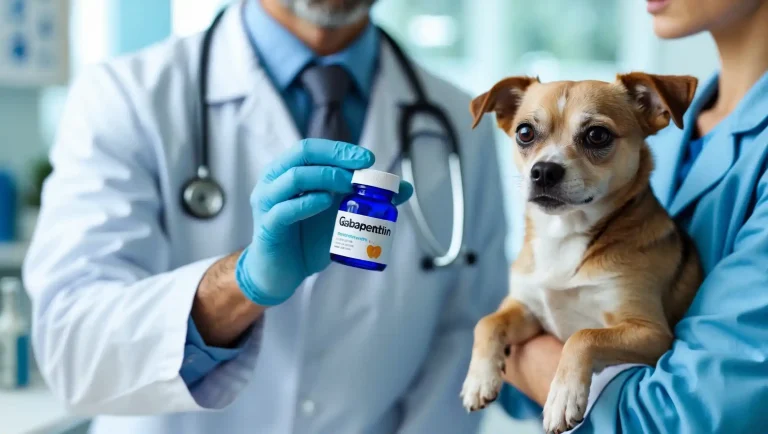
Dog First Aid Kits: Essential Supplies for Every Pet Owner
Dog owners understand that accidents can happen at any time. A well-stocked dog first aid kit is essential to ensure that they are prepared for any emergency. Having the right items on hand can make all the difference in providing quick and effective care for a pet in need.

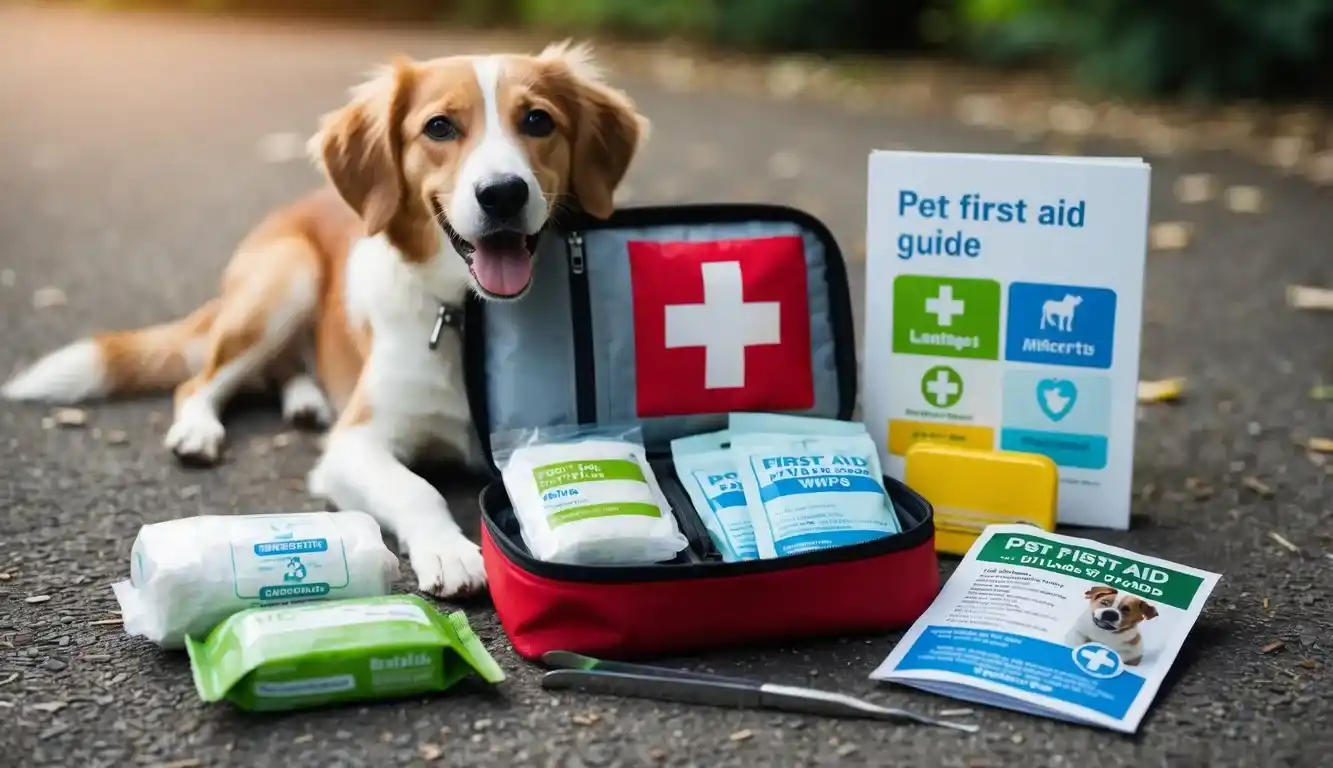
Essential items for a dog first aid kit include bandages, gauze, disinfectants, and a thermometer. These tools help monitor a dog’s condition and address minor injuries. Many kits also come with a guide to assist owners in administering basic first aid, making it easier for them to handle various situations.
Investing in a dog first aid kit can offer peace of mind for pet owners. In a stressful situation, knowing that the necessary supplies are readily available can help owners act quickly and effectively to care for their beloved pets.
Assembling Your Dog First Aid Kit

Creating a dog first aid kit involves gathering key items that can help in emergencies. Knowing what to include will ensure a pet receives prompt care when needed. Focus on the essentials first, then consider additional supplies for more comprehensive care.
Essential Items to Include
A well-equipped dog first aid kit should have the following essential items:
- Gauze and Non-Stick Bandages: Use these to dress wounds and prevent infections.
- Adhesive Tape: Helps keep dressings in place.
- Scissors: Useful for cutting gauze or clothing if needed.
- Tweezers: Ideal for removing splinters or ticks.
- Tick Remover: Helps safely remove ticks without leaving parts behind.
- Antiseptic Wipes: Clean wounds to reduce the risk of infection.
Also, include hydrogen peroxide for cleaning wounds and antibiotic ointment for treating cuts. A digital thermometer is crucial for monitoring your dog’s temperature, along with a styptic powder to stop bleeding. An emergency blanket can provide warmth in shock situations.
Additional Supplies for Comprehensive Care
To enhance first aid readiness, consider adding these supplies:
- Collar and Leash: Quick to secure a pet after an incident.
- Towels: Useful for cleaning and wrapping injuries.
- Eye Wash Solution: For flushing eyes if exposed to irritants.
- Ice Pack: Helps treat swelling or injuries.
- Alcohol Wipes: Good for disinfecting surfaces and tools.
Including nitrile gloves ensures safety when handling injured pets. A dog muzzle may also be necessary if the dog is in pain and could bite. Adding rolled gauze and cotton balls can help manage bleeding. Lastly, a magnifying glass is useful for inspecting wounds closely, and syringes can assist with medication delivery.
Using Your Dog First Aid Kit

A well-prepared dog first aid kit is essential for addressing injuries and emergencies. Knowing how to use this kit effectively can save your dog’s life. This section covers handling common injuries and tips for administering first aid.
Handling Common Injuries
Common injuries in dogs include cuts, scrapes, and insect bites. First, clean the wound with antiseptic wipes or hydrogen peroxide. This helps prevent infection. After cleaning, apply a sterile bandage to protect the area.
In the case of severe bleeding, apply gentle pressure with a clean cloth until the bleeding stops. If the bleeding does not stop, seek help from an emergency hospital.
For minor cuts and scrapes, monitor the wound for signs of infection such as swelling or redness. Use a digital or pet thermometer to check for fever if your dog seems unwell. Keeping a basic first aid manual on hand can guide you through these situations.
Tips for Administering First Aid
Administering first aid can be stressful, so staying calm is crucial. Before approaching an injured dog, ensure safety for both the pet and owner. Muzzle the dog if it’s in pain and may bite.
Always have contact numbers ready for your local vet and an emergency hospital. This can save time in urgent situations.
When performing CPR on a dog, follow these steps: check for breathing, place your hands on the dog’s chest, and deliver 30 chest compressions followed by two rescue breaths.
Additionally, remember to keep your first aid kit stocked with essentials like bandages, antiseptics, and a pet thermometer. Regularly check supplies to ensure everything is ready when needed.
Special Considerations
When creating a dog first aid kit, it’s important to consider specific situations and individual needs. This ensures that the kit is equipped for emergencies, whether at home or on the go. Below are two important aspects to keep in mind.
Adventure and Travel Preparedness
For pet owners who enjoy traveling or outdoor adventures, having a well-prepared first aid kit is crucial. It should include items like a collapsible bowl for food and water, ensuring the dog stays hydrated. A trauma pad can be vital for larger wounds, while antiseptic solutions help prevent infections.
Additionally, carrying a pet evac pak is useful for emergency evacuations. Important items include dog’s medical records and emergency phone numbers of local veterinarians. This information can save time in critical situations. Always include milk of magnesia if the dog has digestive issues, making sure to adjust medications based on the dog’s size and health.
Customizing Your Kit for Your Dog’s Needs
Every dog is different, which calls for customization of the first aid kit. Pet owners should consider their dog’s breed, size, and health conditions. For example, a best dog first aid kit might include specific medications recommended by a veterinarian.
Items like cold packs or thermometer are essential for active or elderly dogs who may be prone to overheating or other health issues. Adding tools for canine first aid ensures preparedness for various situations. Furthermore, owners should evaluate their dog’s lifestyle. A more active dog may need items tailored to outdoor activities, while a calmer dog may have different requirements.