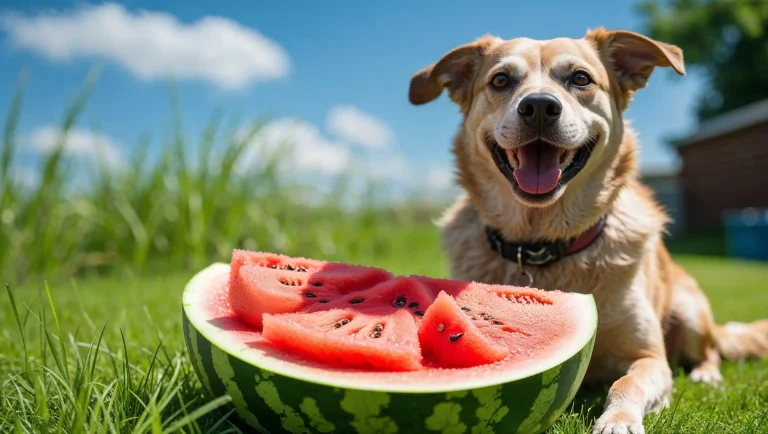
Dog Exercise: Essential Activities for a Happy and Healthy Pet
Exercise is vital for dogs to maintain their health and happiness. Most dogs should engage in one to two hours of exercise daily to promote physical fitness and mental well-being. Regular activity helps prevent obesity, reduces behavioral issues, and strengthens the bond between a dog and its owner.
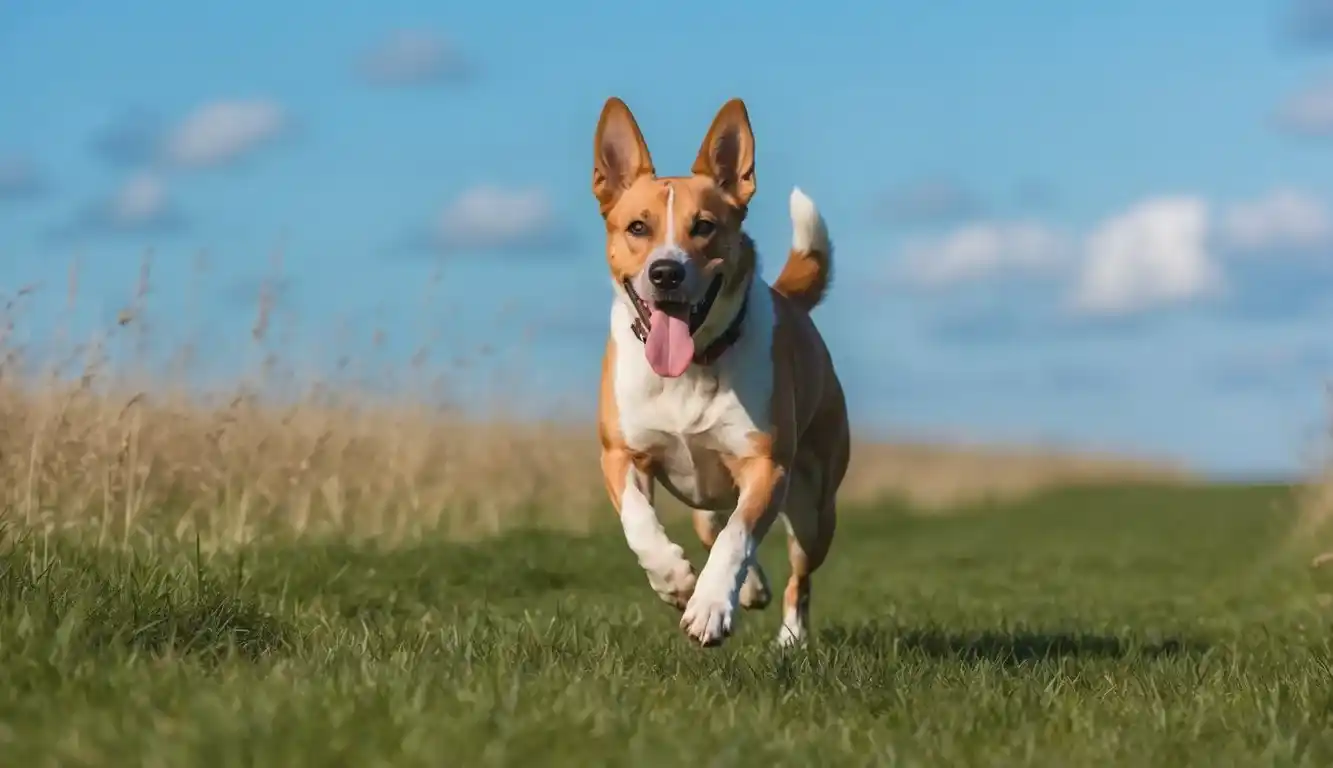
Different breeds require varying levels of exercise, and factors such as age and health also play a role. Some dogs thrive on intense activities like running or fetching, while others may benefit from moderate activities like walking or gentle play. It is important for pet owners to tailor their dog’s exercise routine to meet its specific needs.
Creating a consistent exercise plan not only improves a dog’s fitness but also enhances their quality of life. Dogs that are well-exercised tend to be happier and more relaxed at home, making exercise an essential part of responsible pet care.
Benefits of Dog Exercise

Regular exercise is essential for a dog’s health. It helps strengthen muscles, improve joint health, and provides mental stimulation. Each of these benefits plays a vital role in keeping dogs active and happy throughout their lives.
Enhancing Muscle Strength
Exercise builds and maintains muscle strength, which is crucial for all dogs. When dogs engage in activities like walking, running, or playing, their muscles get stronger. This is particularly important for senior dogs. Strong muscles support their bodies and improve mobility.
Regular physical activity can help prevent injuries and reduce recovery time from strains. Dogs that exercise consistently are less prone to issues like obesity, which can lead to further health problems. Activities such as fetching or agility training are great ways to build strength while keeping it fun.
Improving Joint Health
Keeping joints healthy is vital for dogs, especially as they age. Exercise plays an important role in reducing the risk of arthritis. Movements that involve running, walking, or jumping keep the joints flexible.
These activities help maintain range of motion. Weight-bearing exercises can help strengthen the muscles around the joints, providing added support. If a dog already has arthritis, low-impact exercises like swimming can reduce pain and increase comfort. Regular activity can also promote the production of synovial fluid, which lubricates the joints.
Mental Stimulation through Exercise
Exercise does more than just strengthen the body; it also stimulates the mind. Dogs need mental engagement to stay sharp and happy. Activities like playing fetch or navigating obstacle courses challenge their problem-solving skills.
Moreover, exploring new environments during walks can keep a dog’s mind alert. Mental stimulation helps reduce boredom, which can lead to destructive behaviors. Interactive toys or training sessions during exercise can enhance this benefit. Overall, a well-rounded routine of physical and mental exercise is crucial for a dog’s well-being.
Creating an Exercise Routine

Establishing a solid exercise routine for a dog is crucial for their health and happiness. A well-rounded plan considers the dog’s needs, obedience training, and clear goals.
Tailoring to Your Dog’s Needs
Every dog is unique and requires specific types of exercise based on age, breed, and health. For instance, active breeds like Border Collies need more vigorous exercise compared to smaller, less active breeds.
Considerations include:
- Age: Puppies may require short bursts of play, while older dogs benefit from gentle walks.
- Health: Consult a vet to address any medical concerns before starting an exercise regimen.
- Energy Level: High-energy dogs thrive on running, while calmer dogs may prefer leisurely walks or playtime.
A customized fitness plan ensures the dog stays engaged and healthy.
Incorporating Basic Obedience
Basic obedience training can be combined with exercise to enhance the routine. Commands like “sit”, “stay”, and “come” can be practiced during walks or play.
Benefits of obedience training include:
- Bonding: Training strengthens the bond between the dog and owner.
- Safety: A well-trained dog is easier to control in public spaces.
- Focus: Obedience adds structure to exercise time, helping the dog remain attentive.
Incorporate short training sessions during walks to keep things fun and interactive.
Setting Exercise Goals and Milestones
Setting clear exercise goals helps track progress. Owners can start with simple objectives, such as walking a certain distance or playing fetch for a set amount of time.
Sample goals might include:
- Daily Walks: Aim for at least 15 minutes of walking, increasing gradually.
- Weekly Activities: Plan different activities like swimming or hiking once a week.
- Fitness Milestones: Celebrate achievements, like walking an extra half-mile without fatigue.
By having specific goals, owners can keep the routine motivating and rewarding for both themselves and their dogs.
Indoor and Outdoor Activities
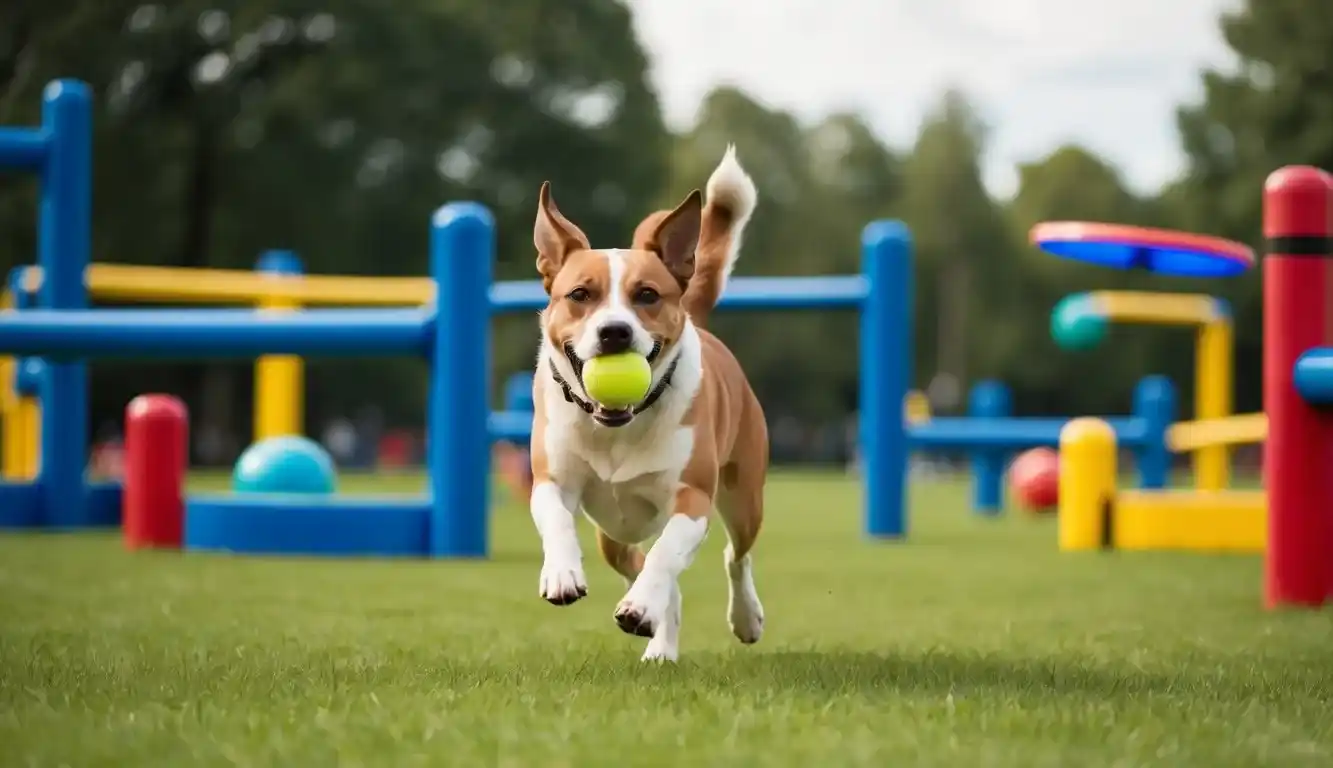
Dogs need regular exercise to stay healthy and happy. Various activities can be pursued indoors and outdoors to ensure they get the physical and mental stimulation they require.
Dog Sports and Organized Events
Dog sports provide an exciting way for dogs to exercise. Popular activities include agility, flyball, and obedience trials. These events not only promote physical fitness but also strengthen the bond between dogs and their owners.
In 2024, dog owners can participate in the AKC Turkey Trot, an event combining walking and running with dogs. This event encourages socialization and healthy competition. Owners can also look for local dog sports clubs to join activities that fit their dog’s energy and skill level.
Fun Games for Engagement
Engaging games are essential to keep dogs mentally stimulated. Simple games like fetch and tug-of-war can be played both indoors and outdoors. These activities help burn off energy and enhance a dog’s coordination.
Interactive toys and puzzles can also be used during indoor play. They challenge dogs and can keep them entertained for hours. Incorporating scent games, where dogs search for hidden treats, can further sharpen their natural instincts.
Adapting to Indoor Spaces
Indoor exercise is crucial, especially during bad weather. Setting up an indoor agility course using furniture or soft obstacles can provide a fun way for dogs to move. Owners can also create small play areas where dogs can safely run and jump.
Training sessions can be conducted indoors to maintain discipline and obedience. Dogs can learn tricks, which are both fun and mentally beneficial. Indoor space can be effectively utilized by using treats to guide dogs through various exercises, keeping them engaged and active.