Dog Diarrhea: Causes, Treatment, and Prevention Tips
Dog diarrhea is a common issue that many pet owners face at some point. It can be messy and concerning, leading to many questions about its causes and treatment. Understanding the reasons behind dog diarrhea and knowing what to do can help owners manage this situation effectively.

There are various reasons why a dog might experience diarrhea, including dietary changes, infections, and parasites. It’s important for pet owners to pay attention to their dog’s behavior and the characteristics of their stool. Recognizing when diarrhea is a symptom of a more serious condition can make a big difference in ensuring their dog’s health.
In this post, readers will discover practical advice on how to handle dog diarrhea, including when to consult a veterinarian. Gaining knowledge about the signs and treatments can empower dog owners to take swift action and keep their pets comfortable.
Understanding Dog Diarrhea

Dog diarrhea is a common issue that may indicate various health problems. It can result from infections, dietary issues, or stress. Recognizing the type and cause is essential for effective management.
Dog diarrhea isn’t just an inconvenience—it can be a sign of underlying health issues. Left untreated, it can lead to dehydration, malnutrition, and even life-threatening conditions. Understanding the causes and treatments is crucial for every responsible pet owner.
According to the American Kennel Club, gastrointestinal issues like diarrhea are among the top reasons dogs visit the vet. By learning how to identify and address the problem early, you can save your dog from discomfort and potentially serious complications.
Types of Dog Diarrhea
Dog diarrhea is often categorized into two main types: acute and chronic. Acute diarrhea happens suddenly and usually lasts for a short time. It can be due to causes like dietary indiscretion, viral infections like parvovirus, or exposure to harmful bacteria.

Chronic diarrhea lasts for more than two weeks. This type may indicate more serious health problems, such as inflammatory bowel disease or infections caused by parasites. Dog owners should monitor their pets closely and seek medical advice if diarrhea persists.
Common Causes of Dog Diarrhea
Numerous factors contribute to diarrhea in dogs. Some of the most common causes include:
- Dietary Indiscretion: Dogs often eat things they shouldn’t, leading to digestive upset.
- Infections: Viral infections like parvovirus and bacterial infections can trigger diarrhea.
- Parasites: Worms and other parasites can disrupt a dog’s gastrointestinal system.
- Food Allergies and Intolerances: Some dogs may react negatively to certain ingredients in their food.
- Stress: Changes in environment or routine can cause anxiety, leading to gastrointestinal issues.
Monitoring the dog’s condition and consulting a veterinarian are important steps if diarrhea occurs frequently or becomes severe.
Diagnosing Canine Diarrhea

When a dog experiences diarrhea, determining the cause is crucial for effective treatment. This process includes a detailed physical examination and careful history-taking, followed by advanced diagnostic testing if needed.
Physical Examination and History
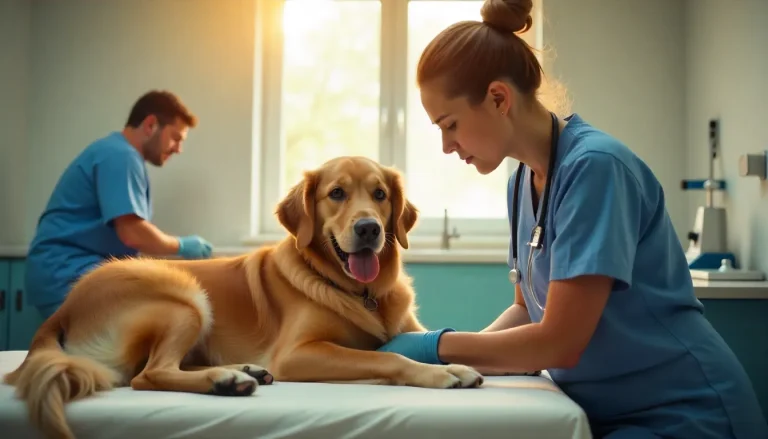
A veterinarian begins diagnosing canine diarrhea by conducting a thorough physical examination. This involves checking the dog’s weight, hydration level, and overall health. The vet may check for signs of dehydration, such as dry gums or lethargy.
The veterinarian will also ask the owner specific questions about the dog’s symptoms. Important details include the duration of diarrhea, any changes in diet, and if the dog has been exposed to other animals.
This information helps narrow down potential causes, such as dietary indiscretion, infections, or underlying health issues.
Advanced Diagnostic Testing
If diarrhea persists or is severe, the veterinarian may recommend advanced diagnostic testing. This testing can include:
- Blood Work: To check for infections, organ function, and underlying diseases.
- Radiographs (X-rays): To examine the dog’s internal organs for any abnormalities.
- Ultrasound: To provide detailed images of the gastrointestinal tract and surrounding tissues.
- Fecal Tests: To identify parasites or bacterial infections, often including a bacterial culture.
These tests help the vet diagnose conditions such as acute or chronic diarrhea, ensuring that the treatment plan addresses the underlying issue effectively.
Treatment and Management

Managing dog diarrhea involves careful monitoring and appropriate actions. Initial home care can be crucial, but sometimes medical treatments and dietary adjustments are needed to ensure the dog’s recovery.
Initial Home Care
For mild cases of diarrhea, initial home care is often effective. The dog should be monitored closely for signs of dehydration. Key symptoms include:
- Dry gums
- Increased thirst
- Lethargy
Providing lots of fresh water is essential. If the diarrhea persists for more than a day, a temporary fasting period of 12-24 hours may help the digestive system reset. After fasting, a bland diet may be introduced. Options include:
- Boiled chicken (no skin)
- Plain white rice
This can help ease the stomach and reduce irritation. Gradually reintroducing regular food is important after a couple of days on a bland diet.
Medical Treatments
If diarrhea is severe or persists, veterinary intervention may be necessary. Common medical treatments can vary based on the underlying cause but often include:
- Intravenous fluid therapy: This helps combat dehydration.
- Antibiotics: These may be prescribed if a bacterial infection is suspected.
The veterinarian may also carry out tests to determine the cause of diarrhea. Products for mild digestive issues, such as liquid dog diarrhea treatments, may be recommended, provided the veterinarian approves their use. Regular check-ups will help ensure the dog is recovering properly.

Diet and Probiotics
Diet plays a significant role in managing diarrhea in dogs. A veterinary diet designed for digestive health can provide necessary nutrition while being gentle on the stomach. Such diets often include easily digestible ingredients.
Incorporating probiotics can also be beneficial in restoring healthy gut flora. Dog probiotics can be found in various forms, such as powders or chewables. It is crucial to consult with a veterinarian before introducing probiotics to ensure they are appropriate for the dog’s situation. Using the right diet and probiotics can aid in quicker recovery and improved gut health.
Preventing Dog Diarrhea: Proactive Tips
Maintain a Consistent Diet
Stick to high-quality dog food and avoid sudden changes in diet.
Keep Dangerous Items Out of Reach
Prevent your dog from accessing garbage, toxic plants, or small objects they could swallow.
Regular Vet Visits
Routine check-ups can catch potential issues before they become serious.
Frequently Asked Questions (FAQs)
Can I Give My Dog Over-the-Counter Medications for Diarrhea?
No, human medications like Pepto-Bismol or Imodium can be harmful to dogs. Always consult your vet before administering any medication.
How Long Does Dog Diarrhea Typically Last?
Mild cases usually resolve within 24-48 hours. If it persists longer, seek veterinary care.
Is Diarrhea Contagious Between Dogs?
Yes, if the cause is bacterial, viral, or parasitic, it can spread to other dogs. Isolate the affected dog and practice good hygiene.
Conclusion: Your Dog’s Health is in Your Hands
Dog diarrhea can be alarming, but with the right knowledge, you can handle it like a pro. By understanding the causes, recognizing the symptoms, and knowing when to seek help, you can ensure your dog stays healthy and happy.
Remember, prevention is always better than cure. A balanced diet, regular vet visits, and a safe environment can go a long way in keeping diarrhea at bay. If you ever feel unsure, don’t hesitate to consult your veterinarian—they’re your best ally in your dog’s health journey.