Dog Blood Types: Understanding Their Importance in Canine Health
Understanding dog blood types is crucial for pet owners, especially when considering blood transfusions. Dogs possess more than 12 different blood groups, with the Dog Erythrocyte Antigen (DEA) system being the most significant for compatibility. Each blood group is inherited independently, highlighting the importance of knowing a dog’s specific type, as incompatible transfusions can lead to severe reactions.

Certain breeds are more likely to be universal donors, facilitating emergency situations when a quick transfusion is necessary. Greyhounds, for example, have a high percentage of universal blood group compatibility, making them valuable in blood donation scenarios. Recognizing the distinct blood types and their implications can help ensure a dog’s safety and health in critical moments.
As the topic of canine blood types continues to gain attention among veterinarians and pet owners alike, being informed is essential. Understanding blood compatibility not only aids in medical emergencies but also deepens the bond between pet and owner by prioritizing pet well-being.
Basics of Dog Blood Types
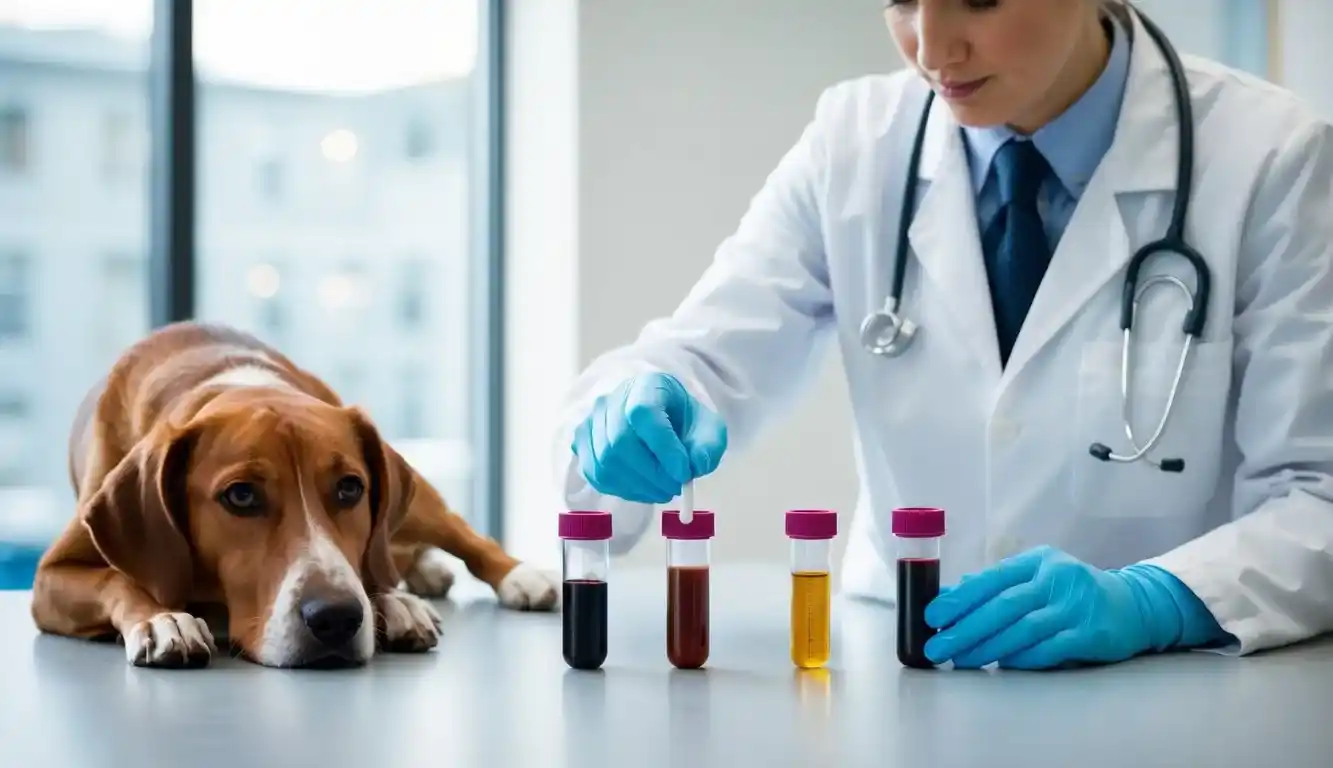
Understanding dog blood types is essential for their health and well-being. Knowledge of blood groups can be critical in emergency situations, especially during blood transfusions.
Understanding Erythrocyte Antigens
Erythrocyte antigens are specific substances found on the surface of red blood cells. These antigens, which play a crucial role in blood typing, stimulate the dog’s immune system to develop antibodies.
In dogs, the primary antigens identified are known as Dog Erythrocyte Antigens (DEA). Different blood types are determined by the presence or absence of these antigens.
For instance, DEA 1.1 is regarded as the most significant blood group in canines. Dogs with this antigen can encounter compatibility issues during transfusions with dogs lacking it.
Primary Dog Blood Groups
There are six major dog blood types recognized: DEA 1.1, DEA 1.2, DEA 3, DEA 4, DEA 5, and DEA 7. Among these, DEA 1.1 and DEA 1.2 are the most clinically relevant.
Approximately 40-45% of dogs possess the DEA 1.1 blood type, which is often referred to as the universal donor type. Breeds such as Greyhounds and Boxers frequently carry this universal blood type.
In contrast, DEA 1.1 negative blood is considered universal for transfusions, allowing it to be safely given to most dogs in need. Understanding these blood types aids veterinarians in making informed decisions during medical emergencies.
DEA Classification System
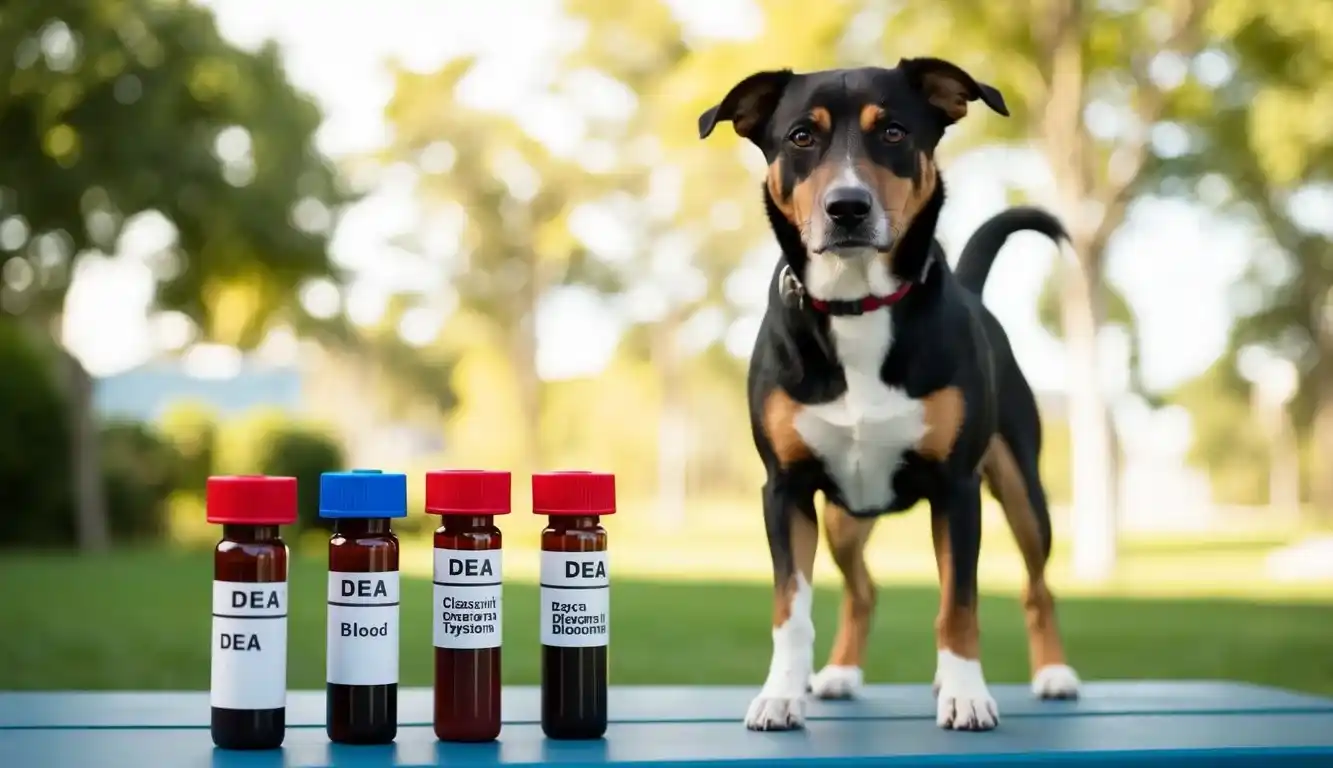
The Dog Erythrocyte Antigen (DEA) classification system plays a crucial role in determining blood types for dogs. Understanding this system helps ensure safe blood transfusions and manage potential immune responses during these procedures.
Significance of DEA 1.1
DEA 1.1 is the most clinically significant blood type in dogs. Approximately 40% of dogs express the DEA 1.1 antigen on their red blood cells. A dog that is DEA 1.1-positive can safely receive blood from another DEA 1.1-positive dog.
However, if a DEA 1.1-negative dog receives DEA 1.1-positive blood, it may develop antibodies against the DEA 1.1 antigen. This can lead to serious complications, such as hemolytic reactions during subsequent transfusions. Therefore, selecting donors that lack DEA 1.1 is crucial for managing risks, especially in emergency situations where blood type may not be immediately identified.
Other DEA Types
In addition to DEA 1.1, there are several other types within the DEA system, such as DEA 1.2, DEA 3, DEA 4, and DEA 7. Each of these blood types has its own set of antigens, impacting transfusion compatibility.
DEA 1.2 is less common than DEA 1.1 but still important for transfusion practices. DEA 3 and DEA 4 are relatively rare, with DEA 4 often regarded as a more universal donor type due to the absence of certain antigens.
Understanding these various DEA types enhances veterinary practice by allowing for better matching of donors and recipients, ultimately improving the safety and efficacy of blood transfusions.
Blood Transfusion in Dogs

Blood transfusions are critical in veterinary medicine for managing conditions like anemia and trauma in dogs. Ensuring compatibility and understanding potential complications is vital for successful transfusions.
Preparation and Compatibility
Before any blood transfusion, proper preparation is essential. Blood typing is performed to identify the dog’s blood group. The primary blood group is the Dog Erythrocyte Antigen (DEA) system.
- DEA Types:
- DEA 1.1 (most significant)
- DEA 1.2
- DEA 7
Approximately 40% of dogs test positive for DEA 1.1. Compatibility between blood donors and recipients minimizes the risk of transfusion reactions.
Blood donors are typically screened for infectious diseases and are chosen based on their blood type.
- Recommended Process:
- Type both donor and recipient.
- Select blood products that are type-matched.
- Monitor vital signs closely during the process.
Transfusion Reactions and Complications
Transfusion reactions may occur, even with matched blood types. Symptoms can include fever, vomiting, and allergic reactions. Recognizing early signs is crucial for prompt management.
Common types of reactions include:
- Hemolytic Reactions:
- Occur when the recipient’s immune system attacks the transfused red blood cells.
- Allergic Reactions:
- Usually mild, featuring hives or itching.
- Febrile Reactions:
- Characterized by increased temperature and discomfort.
Post-transfusion monitoring is essential. Veterinarians often recommend observing the dog for at least 30 minutes post-transfusion. Immediate intervention is advised for any adverse reactions.
Understanding these risks allows for safer transfusion practices, ultimately improving patient outcomes.
The Immunological Perspective

Understanding dog blood types requires exploring the immunological aspects that govern blood transfusions and immune responses. Key components such as antibodies and specific diseases impact how canines react to various blood types.
Antibodies and the Immune Response
In canines, antibodies play a crucial role in the immune response to blood transfusions. The immune system produces antibodies targeting foreign antigens present in incompatible blood types. When a dog receives a transfusion of the wrong blood type, these antibodies can initiate a damaging immune response, potentially leading to severe complications.
For instance, the presence of DEA 1.1 positive blood in a DEA 1.1 negative dog can lead to an acute hemolytic reaction. This response results in the destruction of red blood cells, causing symptoms such as fever, vomiting, and shock. Maintaining awareness of these antibody interactions is essential for successful blood transfusions.
Canine Immune-Mediated Diseases
Canine immune-mediated diseases, including immune-mediated hemolytic anemia (IMHA), arise when the immune system erroneously attacks red blood cells. IMHA can develop due to various factors, such as infections, parasites, or certain medications.
In dogs with IMHA, the immune system produces antibodies against its own red blood cells, resulting in anemia, jaundice, and lethargy. Diagnosis often involves blood tests to identify the presence of these antibodies and a complete blood count to assess red blood cell levels. Treatment may include immunosuppressive drugs, blood transfusions, or supportive care to manage the condition effectively. Understanding these diseases is vital for timely intervention and care.
Clinical Applications and Procedures
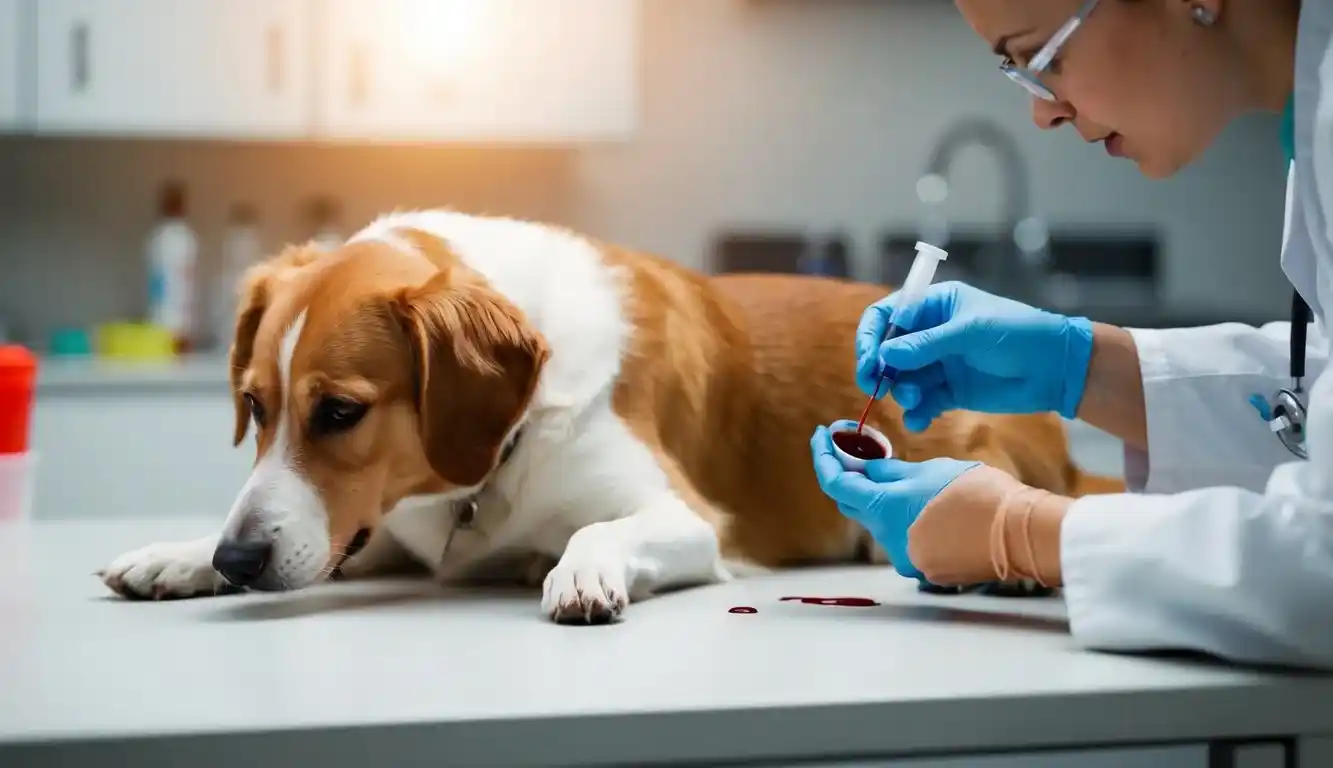
In veterinary medicine, understanding dog blood types is crucial for safe transfusion practices and effective blood donor programs. This section discusses the methods for blood typing and the management of blood transfusions.
Blood Typing and Donor Programs
Blood typing is a critical first step in transfusion medicine. It helps identify the dog’s blood group based on the presence of specific antigens, primarily the Dog Erythrocyte Antigen (DEA) system.
Key Blood Types:
- DEA 1.1 positive
- DEA 1.1 negative
- DEA 4
- DEA 5
Establishing a reliable blood donor program ensures that a supply of compatible blood is available. A thorough screening process involves:
- Blood typing tests to determine the donor’s blood group.
- Health evaluations to assess suitability for donation, ensuring donors do not have transfusion-transmissible infections.
By maintaining an active donor registry, veterinary clinics can swiftly access matched blood when it’s needed.
Management of Blood Transfusion
Managing blood transfusions in dogs involves several critical steps to minimize risks. The process begins with proper identification of blood type compatibility.
Essential Steps Include:
- Pre-transfusion testing: Assess for any prior sensitization or reactions.
- Slow infusion rates: Start with low volumes (0.25 mL/kg for 15 minutes), monitoring closely for reactions.
- Clinical monitoring: Observe for signs such as fever, vomiting, or respiratory distress during and after the transfusion.
Utilizing crossmatching techniques can further reduce transfusion reactions, especially when administering blood for the first time. Following these protocols maximizes safety and enhances the effectiveness of transfusion therapy for dogs.
Risks and Aftercare

After a blood transfusion, monitoring for complications is crucial for the dog’s safety. Understanding the necessary aftercare for both recipients and donors can lead to better outcomes and prevent adverse effects.
Recognizing Post-Transfusion Complications
Complications can arise immediately or days after a transfusion. Key issues include:
- Fever: A common response, signaling an immune reaction or infection.
- Vomiting: This may indicate an adverse reaction to the transfused blood product.
- Anemia: A potential risk if the recipient’s immune system attacks the transfused red blood cells, leading to their destruction.
- Contaminated Blood: Testing is essential to ensure the safety of the blood product, as contamination can lead to severe complications.
Veterinarians typically conduct blood tests post-transfusion to monitor red blood cell counts and other vital parameters. It’s essential for dog owners to watch for any signs of distress or unusual behavior following the procedure.
Care for Blood Donor Dogs
Caring for the blood donors is as important as monitoring the recipients. After donating blood, these dogs may experience fatigue or mild anemia. Key care recommendations include:
- Rest: Donor dogs should have a quiet space to recuperate and avoid strenuous activities for at least 24 hours.
- Hydration: Ensuring the donor has access to water helps restore blood volume and aids recovery.
- Nutrition: Providing a balanced diet with adequate vitamins and minerals can support recovery and replenish lost nutrients.
Regular veterinary check-ups following donation are essential to assess the donor’s health. Maintaining a record of blood types and donation history also helps before future blood transfusions.
Breed-Specific Blood Type Information

Understanding blood types in relation to specific breeds can help in managing health issues and transfusion needs effectively. Different breeds display varying prevalences of certain blood types, influencing medical decisions during emergencies.
Common Blood Types in Different Breeds
Certain breeds are known for specific blood types due to genetic inheritance. For instance:
- German Shepherds: Frequently have DEA 1.1 blood type, making them commonly sought after in transfusion scenarios.
- Boxers: Often exhibit DEA 1.1 as well, but they also have a higher frequency of DEA 1.2.
- Doberman Pinschers: These dogs may express a range of blood types, with DEA 4 being particularly notable.
As breeding programs aim to enhance desirable traits, they can inadvertently influence the distribution of blood types. Awareness of these patterns assists veterinarians in making informed transfusion choices.
Breed and Blood Type Related Disorders
Certain breeds may experience health issues associated with their blood type. For example:
- German Shepherd: Prone to auto-immune conditions, which can lead to complications in blood transfusions if types are mismatched.
- Boxers: This breed can be susceptible to hemolytic anemia, especially when receiving incompatible blood types.
- Doberman Pinschers: They may have predispositions to specific parasites, sometimes exacerbated by blood type-related health challenges.
Knowledge of breed-specific blood types is crucial in veterinary practices to prevent complications during medical interventions. This understanding aids in not only providing effective treatments but also in tailoring breeding strategies to minimize genetic disorders linked to blood types.
Advanced Considerations in Canine Blood Typing

Canine blood typing has evolved significantly, with new discoveries adding to the complexities of transfusion medicine. Understanding these advancements is crucial for veterinarians and pet owners to ensure safe and effective blood transfusions in dogs.
Newly Identified Blood Types and Systems
Recent research has identified additional blood types in dogs, expanding beyond the commonly known Dog Erythrocyte Antigens (DEA). Notably, DEA 6 and DEA 8 have emerged as important considerations in blood typing. This expansion is critical, as mismatching these newly identified blood types can lead to severe complications, including transfusion reactions.
Additionally, two new blood group systems, Kai-1 and Kai-2, have been recognized. These systems help identify breed-specific blood types, enhancing compatibility during transfusions. For example, certain breeds may carry unique antigens, making knowledge of these types essential for successful blood donation programs.
Genetic Research in Canine Blood Types
Genetic research has advanced the understanding of blood types in dogs, highlighting variations in Type A, Type B, and Type AB blood groups. A study showed that breeds such as Greyhounds predominantly exhibit Type A, while breeds like the Abyssinian cat can have Type B. Additionally, the realization of Dal-negative dogs presents new challenges concerning blood compatibility.
Research also has implications for neonatal isoerythrolysis, a condition that occurs in newborn puppies when maternal antibodies attack their red blood cells. Identifying and understanding blood types help prevent this condition through awareness of maternal and puppy blood group compatibility. Such insights are vital for improving canine health outcomes during transfusions and breeding programs.