

Cat Eye Boogers: Causes, Treatments, and How to Keep Your Feline Friend Healthy
Why Are Cat Eye Boogers a Concern?
Have you ever noticed your cat’s eyes looking a little crusty or watery? Those “eye boogers” might seem harmless, but they could be a sign of something more serious. Cats rely on their eyes for hunting, playing, and navigating their world—so keeping their vision clear and healthy is crucial. But what exactly are cat eye boogers, and when should you worry?

In this comprehensive guide, we’ll dive deep into the causes, treatments, and prevention strategies for cat eye boogers. Whether you’re a seasoned cat owner or a new pet parent, this article will equip you with the knowledge to ensure your feline friend’s eyes stay bright and healthy.

What Are Cat Eye Boogers?
Understanding Eye Discharge in Cats
Cat eye boogers, or eye discharge, are a mix of tears, mucus, and debris that accumulate in the corners of your cat’s eyes. While a small amount of discharge is normal—part of the eye’s self-cleaning process—excessive or abnormal discharge can signal an underlying issue.

Types of Eye Discharge
- Clear and Watery: Often caused by irritants like dust or allergies.
- Thick and Colored: Yellow, green, or white discharge may indicate an infection or more serious condition.

Common Causes of Cat Eye Boogers
1. Infections: The Leading Culprit
Eye infections, particularly conjunctivitis, are a common cause of eye discharge in cats. Viral infections like feline herpesvirus (FHV-1) and bacterial infections can lead to redness, swelling, and pus-like discharge.

2. Allergies: Seasonal and Environmental Triggers
Just like humans, cats can suffer from allergies. Pollen, dust, and mold can cause excessive tearing and mucus-like discharge. If your cat’s symptoms are seasonal, allergies might be to blame.

3. Foreign Bodies: When Something’s in the Eye
Dust, grass, or even a stray eyelash can irritate your cat’s eye, leading to discharge. Cats may rub their eyes or keep them shut to relieve the discomfort.

4. Anatomical Issues: Breed-Specific Problems
Breeds with flat faces, like Persians and Scottish Folds, are prone to eye issues due to their unique facial structure. Blocked tear ducts or inward-rolling eyelids (entropion) can cause chronic discharge.

When to Worry: Signs Your Cat Needs a Vet
Red Flags to Watch For
- Persistent or excessive discharge
- Redness, swelling, or squinting
- Foul-smelling or bloody discharge
- Behavioral changes like lethargy or loss of appetite.

Why Early Intervention Matters
Ignoring eye problems can lead to complications like vision loss or chronic pain. If you notice any of the above symptoms, consult your vet immediately.
How to Treat Cat Eye Boogers
Home Remedies: What You Can Do
- Gentle Cleaning: Use a damp cloth to wipe away discharge, starting from the inner corner of the eye outward.
- Saline Solution: Flush the eye with a vet-approved saline solution to remove irritants.
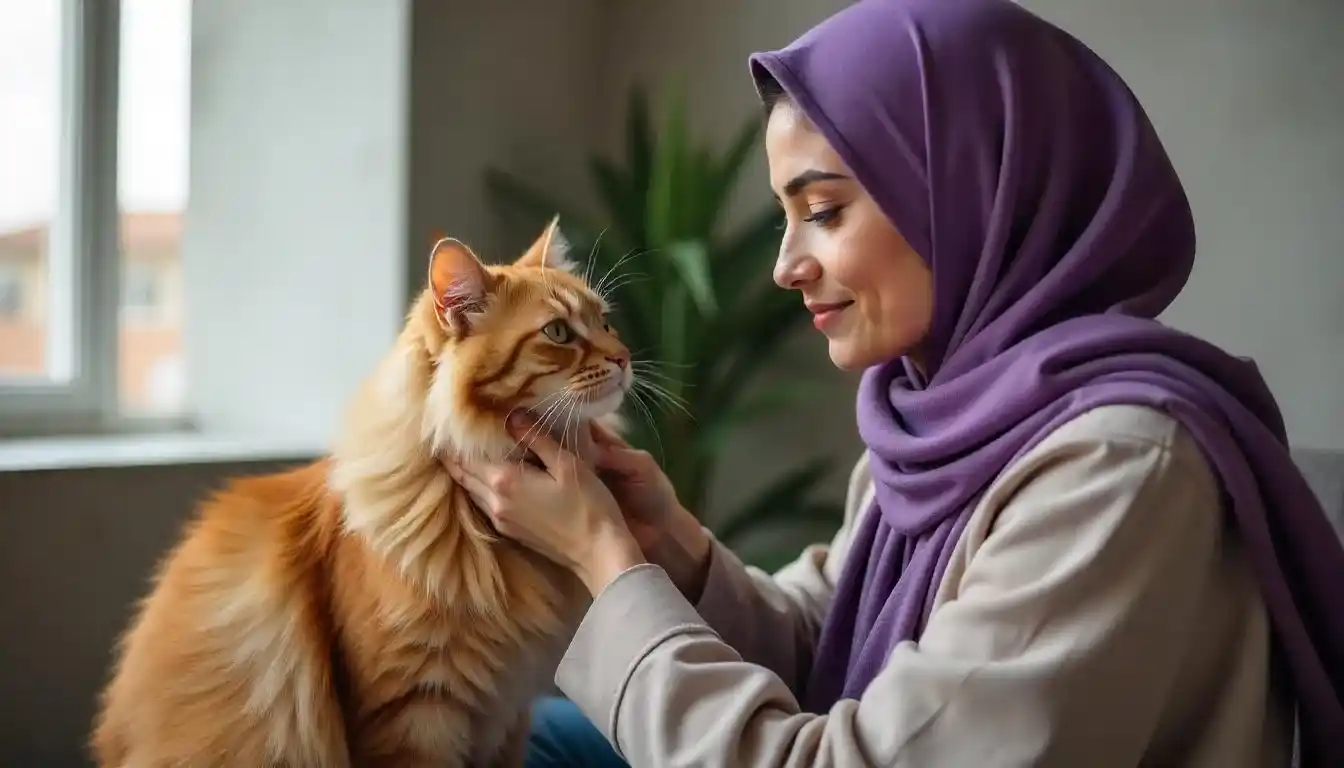
Veterinary Treatments: When to Seek Professional Help
- Antibiotics or Antivirals: For infections, your vet may prescribe medication.
- Surgery: In cases of blocked tear ducts or anatomical issues, surgical intervention may be necessary.

Preventing Cat Eye Boogers: Tips for Healthy Eyes
1. Regular Grooming
Keep your cat’s face clean, especially if they have long fur. Regular brushing can prevent debris from irritating their eyes.
2. Manage Allergens
Reduce exposure to dust, pollen, and other irritants. Use air purifiers and hypoallergenic litter to create a safer environment.
3. Routine Vet Check-Ups
Regular exams can catch eye issues early, preventing long-term damage.

FAQs About Cat Eye Boogers
1. Are eye boogers in cats normal?
A small amount of discharge is normal, but excessive or colored discharge may indicate a problem.
2. Can I use human eye drops on my cat?
No. Always consult your vet before using any medication on your pet.
3. How often should I clean my cat’s eyes?
Clean as needed, especially if you notice discharge buildup.

Keeping Your Cat’s Eyes Bright and Healthy
Cat eye boogers might seem like a minor issue, but they can be a window into your cat’s overall health. By understanding the causes, recognizing the signs of trouble, and taking preventive measures, you can ensure your feline friend’s eyes stay clear and vibrant.
Remember, when in doubt, always consult your vet. Your cat’s eyes are too precious to ignore!

