

Adequan Canine for Dogs (Relieving Arthritis Pain and Restoring Mobility)
Watching your beloved dog struggle with joint pain can be heartbreaking. Every slowed step, hesitant jump, and stiff morning movement reminds you that your furry companion isn’t the energetic pup they once were. If your veterinarian has mentioned Adequan Canine or you’re researching treatment options for canine osteoarthritis, you’ve come to the right place. This comprehensive guide explores everything you need to know about polysulfated glycosaminoglycan (PSGAG) therapy—from how it works to what you can expect during treatment.
Unlike pain relievers that simply mask symptoms, Adequan Canine addresses the root cause of joint deterioration. Whether your dog has been diagnosed with osteoarthritis, hip dysplasia, or traumatic joint injury, understanding this disease-modifying treatment could be the key to helping your companion enjoy more comfortable, active years ahead.
What Is Adequan Canine and How Does It Work?
Adequan Canine represents a breakthrough in veterinary medicine as the only FDA-approved disease-modifying osteoarthritis drug (DMOAD) specifically designed for dogs. The active ingredient, polysulfated glycosaminoglycan, is a semi-synthetic compound derived from bovine tracheal cartilage that works at the cellular level to protect and restore joint health.
The Science Behind Joint Protection
Your dog’s joints naturally contain glycosaminoglycans (GAGs)—essential building blocks that maintain healthy cartilage structure. When osteoarthritis develops, destructive enzymes break down these protective compounds faster than the body can replace them. Adequan Canine intervenes in this degenerative process through three powerful mechanisms:
Cartilage Preservation: The medication binds directly to existing GAGs in joint cartilage, creating a protective shield that prevents further degradation. This action helps stop arthritis progression before irreversible damage occurs.
Enzyme Inhibition: By blocking the release of destructive enzymes that attack cartilage tissue, Adequan reduces the inflammatory cascade responsible for joint pain and swelling. This dual-action approach addresses both structural damage and inflammatory discomfort.
Regenerative Support: The treatment stimulates collagen activity and improves synovial fluid quality—the natural lubricant that cushions joints during movement. Enhanced lubrication means smoother, more comfortable motion for your dog.
What sets Adequan apart from oral joint supplements is its direct delivery method. Injectable administration ensures the active ingredient reaches affected joints quickly, with concentrations arriving at the joint within two hours and penetrating cartilage tissue within three days.
Understanding Canine Osteoarthritis: Why Your Dog Needs Treatment
Osteoarthritis affects millions of dogs across all ages, breeds, and sizes. This chronic degenerative condition doesn’t discriminate—from athletic working dogs to senior lap companions, any canine can develop painful joint deterioration.

Recognizing the Warning Signs
Early detection makes all the difference in treatment outcomes. Watch for these common indicators that your dog may be experiencing joint discomfort:
- Difficulty rising from rest, especially after lying down for extended periods
- Reluctance to climb stairs, jump into vehicles, or navigate furniture
- Decreased enthusiasm for walks or playtime activities
- Noticeable limping or favoring certain legs
- Stiffness that seems worse in cold weather or during morning hours
- Behavioral changes like increased irritability or withdrawn personality
- Licking or chewing at specific joints
The Progressive Nature of Joint Disease
Osteoarthritis operates on a destructive cycle. As cartilage breaks down, bones rub together creating friction, inflammation, and pain. This inflammation triggers the release of more destructive enzymes, accelerating cartilage loss. Without intervention, joints continue deteriorating, leading to decreased mobility, muscle atrophy, and significantly diminished quality of life.
The good news? Starting treatment early can slow or halt this progression. Adequan Canine works best when initiated at the first signs of joint problems rather than waiting until severe damage has occurred.
Treatment Protocol: What to Expect During Adequan Therapy
Understanding the treatment process helps you prepare for your dog’s journey toward improved joint health. The standard protocol follows a straightforward yet effective schedule designed to deliver optimal results.
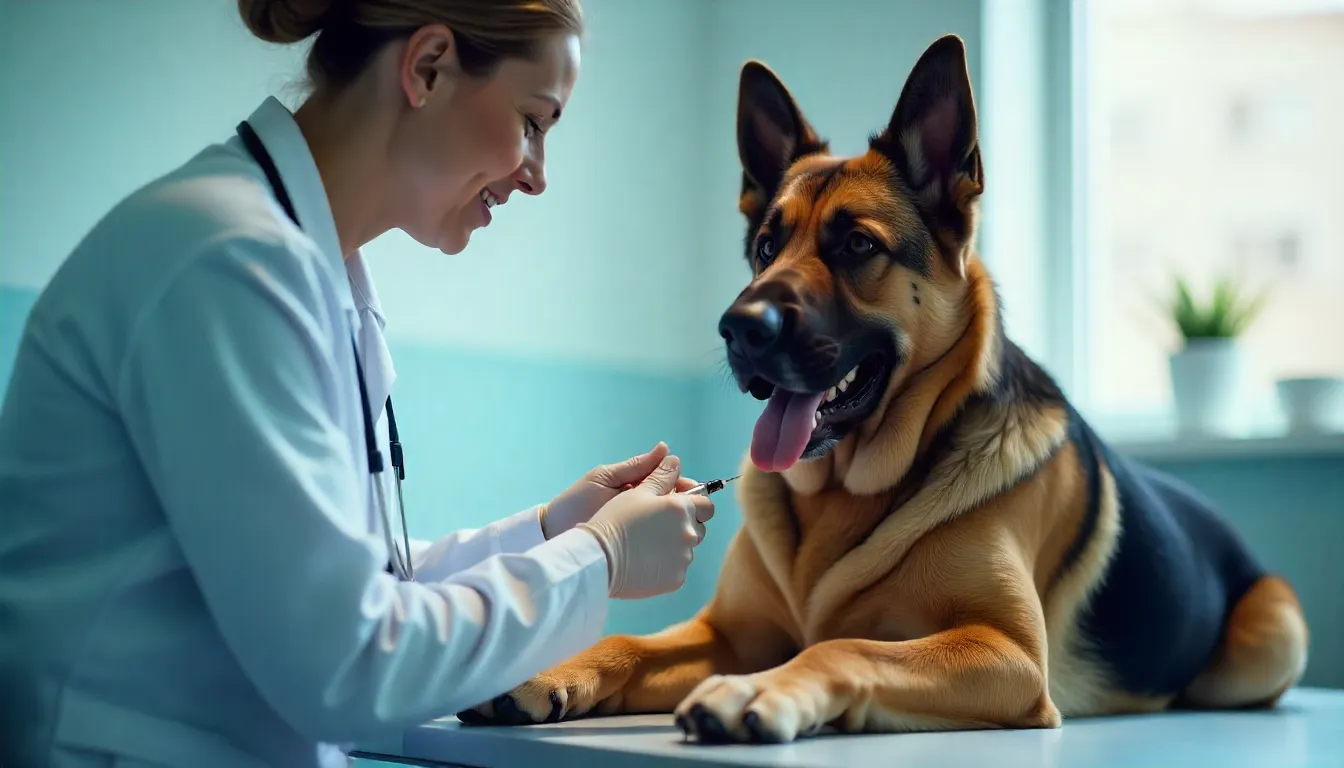
Standard Dosing Schedule
Veterinarians administer Adequan Canine as an intramuscular injection following this FDA-approved regimen:
- Frequency: Two injections per week
- Duration: Four-week treatment cycle
- Total Injections: Eight doses maximum per cycle
- Maintenance: Repeat cycles when arthritis symptoms reappear
The injection delivers 100 mg/mL of polysulfated glycosaminoglycan, with dosing calculated based on your dog’s weight. Most veterinary practices offer in-office administration, though some pet parents learn to give injections at home under professional guidance.
Administration Sites and Techniques
Veterinarians rotate between several major muscle groups to minimize injection site discomfort:
- Front thigh (quadriceps muscles)
- Lower back lumbar region
- Back of the front leg (triceps)
- Back thigh (hamstring muscles)
Proper injection technique requires careful attention to avoid nerves and blood vessels near these locations. If your veterinarian approves home administration, you’ll receive thorough training on sterile preparation, correct needle insertion angle, aspiration technique, and safe disposal procedures.
Timeline for Improvement
Many pet parents wonder when they’ll notice changes in their dog’s mobility. While Adequan begins working at the cellular level immediately, observable improvements typically emerge after several injections. Some dogs show increased activity and reduced stiffness within two weeks, while others require the full eight-injection cycle before significant changes become apparent.
Patience proves essential—you’re rebuilding damaged cartilage and reversing months or years of deterioration, not simply masking pain.

Benefits That Go Beyond Pain Relief
Adequan Canine offers advantages that extend far beyond temporary symptom management. As a true disease-modifying treatment, it addresses the underlying pathology of osteoarthritis.
Long-Term Joint Preservation
Unlike nonsteroidal anti-inflammatory drugs (NSAIDs) that only reduce pain and inflammation temporarily, Adequan actively rebuilds and protects cartilage tissue. This fundamental difference means you’re investing in your dog’s long-term joint health rather than simply buying short-term comfort.
Reduced Dependence on Pain Medications
Many dogs experience such significant improvement with Adequan therapy that veterinarians can reduce or eliminate concurrent pain medications. Fewer medications mean lower risk of adverse effects and reduced long-term costs.
Improved Quality of Life Markers
Pet parents consistently report meaningful changes after Adequan treatment:
- Increased willingness to play and exercise
- Better mood and more social interaction
- Improved sleep quality without nighttime restlessness
- Greater independence in daily activities
- Enhanced overall vitality and enthusiasm
To keep your dog motivated and comfortable during recovery, consider healthy rewards—see best treats for dogs: top picks for nutritious options.
Complementary Treatment Option
Adequan integrates seamlessly with other arthritis management strategies including physical therapy, weight management, oral supplements, and controlled exercise programs. This multi-modal approach often delivers the best outcomes for dogs with moderate to severe joint disease.
Safety Profile and Potential Side Effects
Every medication carries some risk, and responsible pet ownership means understanding both benefits and potential complications. Fortunately, Adequan Canine demonstrates an excellent safety record with minimal adverse reactions reported in clinical trials.
Common Side Effects
The most frequently observed reactions remain mild and temporary:
- Injection Site Reactions: Brief pain, tenderness, or sensitivity where the needle entered muscle tissue. These symptoms typically resolve within 24-48 hours.
- Gastrointestinal Upset: Occasional diarrhea reported in a small percentage of dogs, usually resolving without intervention.
- Decreased Appetite: Temporary reduction in food interest affecting some animals during initial treatments.
Most dogs continue their treatment protocol without interruption, even when mild side effects occur.
Serious Complications (Rare)
While uncommon, pet parents should remain alert for these more significant concerns:
- Injection Site Infection: Redness, swelling, warmth, or discharge suggesting bacterial contamination requires immediate veterinary attention.
- Bleeding Disorders: Adequan can affect blood clotting in susceptible animals. Warning signs include nosebleeds, bloody stool, unexplained bruising, or prolonged bleeding from minor injuries.
- Allergic Reactions: Hypersensitivity to the medication may cause hives, facial swelling, difficulty breathing, or collapse—seek emergency care immediately.
Pre-Existing Condition Considerations
Certain health conditions require special caution or contraindicate Adequan use entirely:
- Known bleeding disorders or abnormal clotting function
- Active liver or kidney disease
- Hypersensitivity to polysulfated glycosaminoglycans
- Pregnancy or lactation (safety not established in breeding females)
Always provide your veterinarian with a complete medical history before starting any new treatment protocol.
Cost Considerations and Value Assessment
Financial planning helps ensure you can complete the full treatment protocol and maintain results through repeated cycles as needed.
Treatment Investment Breakdown
Adequan Canine costs vary based on several factors:
- Regional Pricing: Veterinary fees differ significantly between urban and rural areas, with metropolitan practices typically charging premium rates.
- Administration Setting: In-office injections include examination and professional administration fees, while home injection supplies cost less but require pet parent involvement.
- Dog Size: Larger dogs require higher doses, increasing medication costs per injection.
- Clinic Markup: Individual practices set their own pricing structures for medications and services.
A complete eight-injection initial cycle typically ranges from $400 to $800, with subsequent maintenance cycles costing similar amounts.
Cost-Benefit Analysis
When evaluating Adequan’s value, consider these long-term financial factors:
- Reduced need for daily pain medications saves ongoing prescription costs
- Delayed or avoided surgical interventions preserve thousands of dollars
- Fewer emergency veterinary visits for mobility crises
- Extended active years mean delayed senior care expenses
- Improved quality of life provides immeasurable value
Many pet parents find that investing in disease-modifying treatment early proves more cost-effective than managing advanced arthritis symptoms later.
Comparing Treatment Options: Adequan vs. Alternatives
Understanding where Adequan fits within the broader arthritis treatment landscape helps you make informed decisions about your dog’s care plan.
Oral Joint Supplements
Glucosamine and Chondroitin: These over-the-counter supplements provide building blocks for cartilage repair but must pass through the digestive system, potentially reducing bioavailability. Adequan’s injectable delivery ensures higher concentrations reach affected joints.
Omega-3 Fatty Acids: Fish oil supplements offer anti-inflammatory benefits but don’t actively rebuild cartilage like Adequan’s disease-modifying mechanism.
To explore detailed reviews and comparisons of the best joint supplements for dogs, see our dedicated guide.
Pain Management Medications
NSAIDs: Drugs like carprofen and meloxicam effectively reduce inflammation and pain but don’t address underlying cartilage deterioration. Long-term use carries risks of liver, kidney, and gastrointestinal complications.
Gabapentin and Tramadol: These pain modulators help manage discomfort but offer no disease-modifying properties and may cause sedation or behavior changes.
Surgical Interventions
Joint Replacement: Total hip or knee replacement surgeries offer permanent solutions for severe arthritis but involve significant expense, surgical risks, and lengthy recovery periods.
Arthroscopy: Minimally invasive joint procedures remove damaged tissue and may delay progression but don’t regenerate lost cartilage.
Emerging Therapies
Stem Cell Treatment: Regenerative medicine shows promise for joint repair but remains expensive with limited long-term efficacy data compared to Adequan’s established track record.
Platelet-Rich Plasma (PRP): This therapy uses concentrated growth factors to promote healing but typically requires multiple sessions and may not be covered by pet insurance.
Treatment Type | Pain Relief | Disease Modification | Administration |
|---|---|---|---|
Adequan Canine | Moderate | High | Injectable (biweekly) |
Oral Supplements | Mild | Low-Moderate | Daily pills |
NSAIDs | High | None | Daily pills |
Stem Cell Therapy | Variable | Moderate-High | Injectable (multiple) |
Joint Surgery | High | High | One-time procedure |
Maximizing Treatment Success: Complementary Strategies
Adequan Canine works best as part of a comprehensive arthritis management program that addresses multiple aspects of joint health.

Weight Management
Excess body weight places tremendous stress on already-compromised joints. Each pound of excess weight translates to four pounds of pressure on weight-bearing joints during movement. Work with your veterinarian to establish an appropriate target weight and calorie-restricted diet if needed.
Controlled Exercise Programs
Movement keeps joints flexible and maintains muscle strength that supports joint stability. Low-impact activities prove ideal:
- Swimming or hydrotherapy sessions
- Slow-paced leash walks on flat terrain
- Gentle stretching and range-of-motion exercises
- Balance and proprioception training
Avoid high-impact activities like jumping, rough play, or running on hard surfaces that could exacerbate joint damage.
Environmental Modifications
Simple home adjustments reduce daily joint stress:
- Provide orthopedic beds with memory foam support
- Install ramps for accessing furniture or vehicles
- Use raised food and water bowls to minimize neck strain
- Place non-slip mats on slippery floors
- Maintain comfortable ambient temperatures (cold weather worsens stiffness)
Physical Rehabilitation
Certified canine rehabilitation therapists offer specialized modalities:
- Therapeutic laser treatment reduces inflammation
- Underwater treadmill therapy builds strength with minimal impact
- Manual therapy and massage improve circulation
- Targeted exercises restore range of motion
Frequently Asked Questions About Adequan Canine
Making the Decision: Is Adequan Right for Your Dog?
Choosing the appropriate arthritis treatment for your canine companion requires careful consideration of multiple factors working in partnership with your veterinary team.
Ideal Candidates for Adequan Therapy
Dogs most likely to benefit from Adequan treatment include those with:
- Confirmed diagnosis of osteoarthritis through physical examination and radiographs
- Early to moderate stage joint disease before severe cartilage loss occurs
- Active inflammation and discomfort despite oral supplements
- Need to reduce dependence on long-term NSAIDs
- Multiple affected joints requiring systemic treatment
- Good overall health without contraindicated conditions
Questions to Discuss With Your Veterinarian
Come prepared to your consultation with these important questions:
- What stage of arthritis has my dog developed based on diagnostic findings?
- Would Adequan work better alone or combined with other treatments?
- What specific improvements should I expect during treatment?
- How will we monitor response and determine maintenance scheduling?
- What warning signs require immediate veterinary contact?
- Are there alternative treatments I should consider for my dog’s situation?
Setting Realistic Expectations
Adequan represents a powerful tool in arthritis management but doesn’t work miracles. Severely damaged joints with bone-on-bone contact may see limited regeneration. The medication works best as an early intervention that preserves remaining cartilage and slows disease progression rather than reversing years of advanced deterioration.
Success looks different for each dog—for some, it means returning to energetic play; for others, simply achieving comfortable daily movement represents significant victory.
Taking the Next Step Toward Better Joint Health
Your dog’s arthritis diagnosis doesn’t have to mean resignation to progressive decline and diminishing quality of life. Disease-modifying treatments like Adequan Canine offer real hope for preserving mobility, reducing pain, and extending active years with your beloved companion.
The most important action you can take is scheduling a thorough veterinary evaluation to assess your dog’s joint health status and discuss appropriate treatment options. Early intervention consistently delivers the best outcomes—don’t wait until severe damage limits your dog’s treatment response.
Remember that managing canine arthritis requires commitment to long-term care that may include repeated treatment cycles, lifestyle modifications, and ongoing monitoring. The reward for this dedication comes in the form of a happier, more comfortable dog who continues enjoying walks, playtime, and everyday adventures by your side.