5 Types of Pit Bull Dog Breeds
Pit Bull dog breeds are often misunderstood, yet they are known for their loyalty and affectionate nature. These dogs are not a single breed but an umbrella term that includes various breeds like the American Pit Bull Terrier, American Staffordshire Terrier, and others. Each type has its own unique traits, making them suitable for different owners and lifestyles.
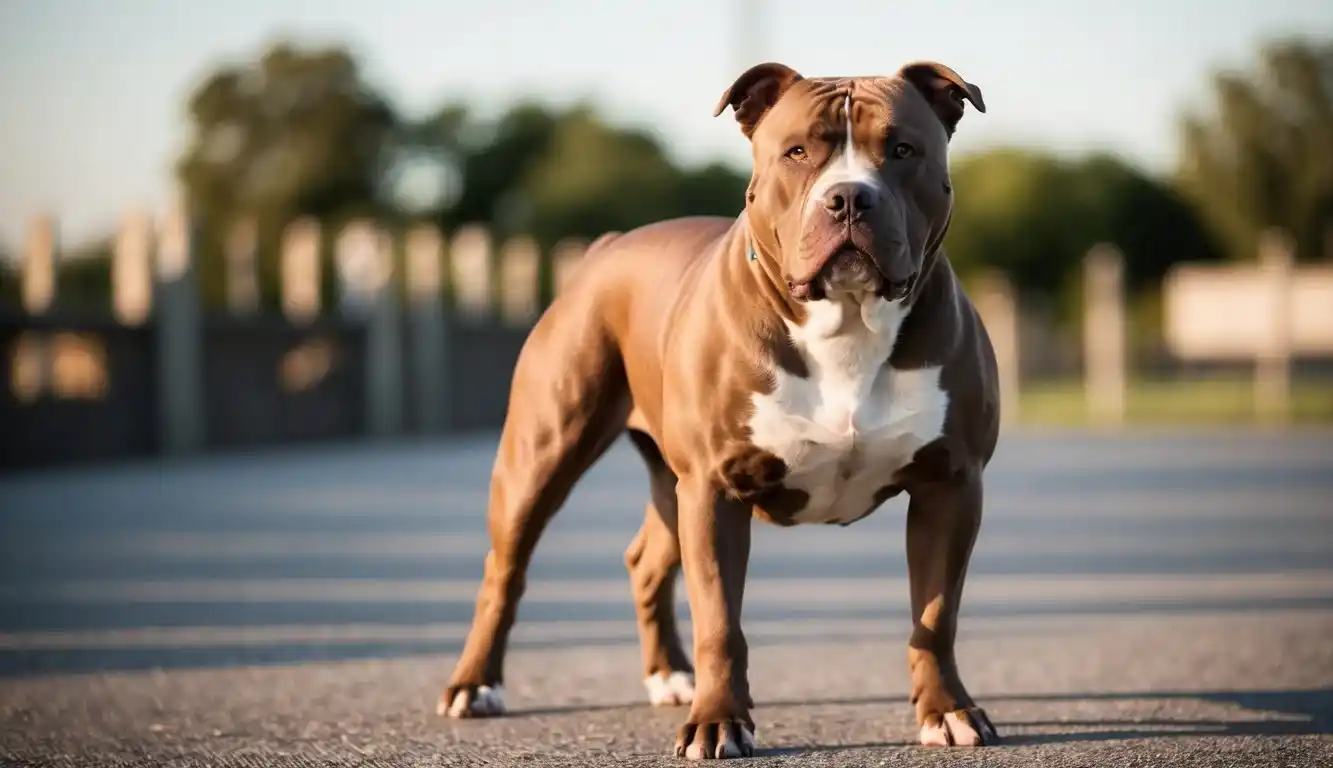
Many believe that Pit Bulls are aggressive, but most are friendly and eager to please. Understanding the differences between the various breeds can help prospective owners find the best match for their home and family. The history of these dogs is tied to working roles, such as farm helpers and protectors, which have shaped their abilities and temperaments.
In this blog post, readers will learn about the different types of Pit Bull breeds, their characteristics, and what makes each one special. By exploring their backgrounds and traits, one can appreciate these dogs more and make informed decisions about potential adoption or ownership.
History and Overview of Pit Bull Breeds
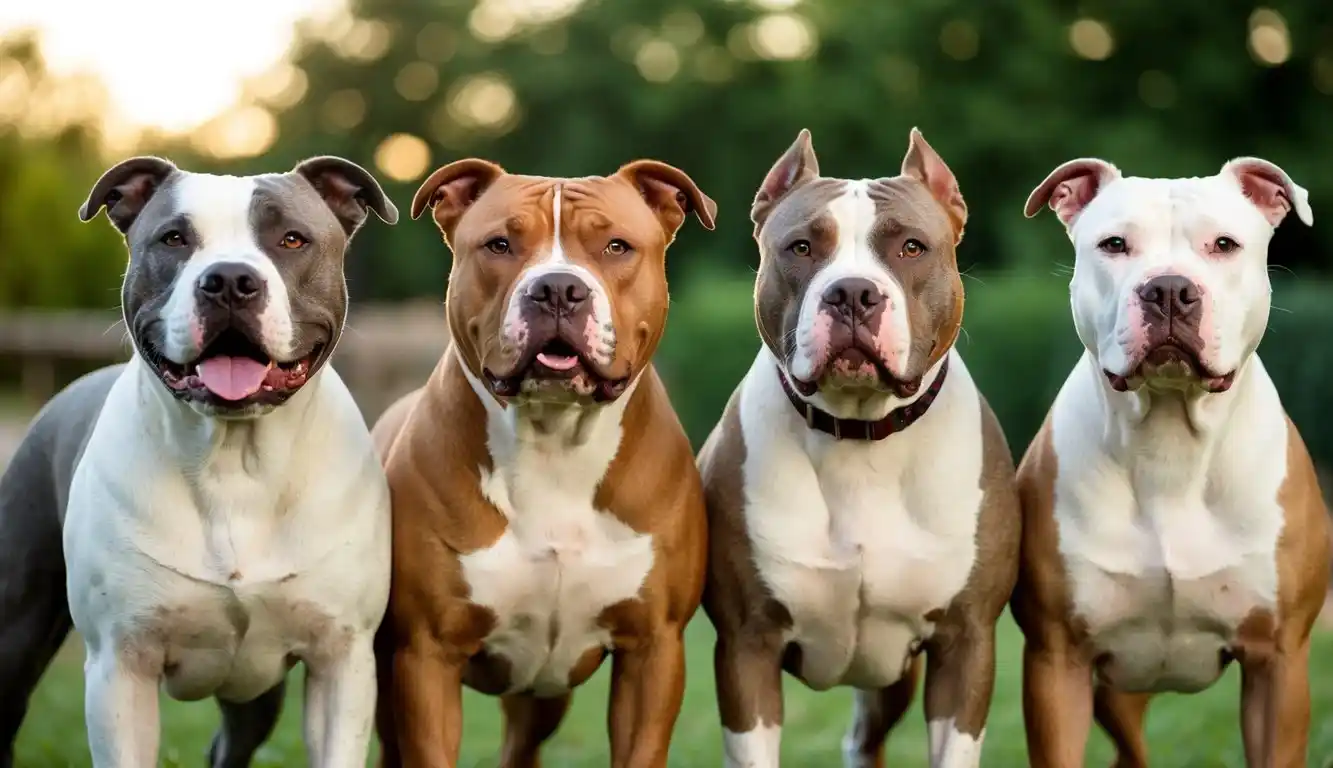
Pit bull breeds have a rich history that reflects their development and the roles they have played in society. Understanding their origins helps clarify the misconceptions surrounding these dogs today.
Origins of Pit Bull Breeds
Pit bull breeds originated in the early 19th century from crossbreeding Old English Bulldogs and terriers in the United Kingdom. These dogs were initially bred for blood sports, including bull-baiting and dogfighting. As the popularity of these sports dwindled, breeders focused on creating dogs that were loyal and versatile companions.
By the late 1800s, these breeds made their way to North America, where they were used as both working dogs and family pets. This history contributes significantly to the modern perception and treatment of pit bull breeds today.
American Bulldog
The American Bulldog is a descendant of the English bulldog, which was bred for bull baiting in the 17th century. This breed was brought to America by early settlers and adapted to work on farms. They were known as strong and agile dogs capable of handling various tasks, from herding livestock to guarding properties.
As a breed, American Bulldogs are often characterized by their muscular build and friendly nature. They are known for their loyalty to families but require proper training and socialization to thrive.

American Bully
The American Bully is a relatively new breed that emerged in the 1990s. It was developed by focusing on the American Pit Bull Terrier, American Staffordshire Terrier, and other similar breeds. The goal was to create a companion dog that had a bulkier appearance and a gentler temperament.
American Bullies are known for their confident demeanor and friendly attitude. They come in several sizes, ranging from pocket to standard, and have become popular pets in many households due to their affectionate nature.

American Pit Bull Terrier
The American Pit Bull Terrier is one of the most recognized breeds within the pit bull category. This breed was developed from bulldogs and terriers, originally bred for agility and strength in dogfighting.
Despite its history, the American Pit Bull Terrier is often misunderstood. With proper training and socialization, these dogs can be loving family pets. They are known for their intelligence and loyalty, making them great companions when raised in a nurturing environment.

American Staffordshire Terrier
The American Staffordshire Terrier shares a common ancestry with the American Pit Bull Terrier but has diverged in appearance and temperament. This breed is stockier and was recognized by the American Kennel Club (AKC) in 1936.
American Staffordshire Terriers are known for their friendly nature and protective instincts. They are highly trainable and make excellent family dogs. Their strong bond with humans sets them apart as attentive and loyal companions.

Staffordshire Bull Terrier
The Staffordshire Bull Terrier is a smaller breed that originated in England. It was bred from the same stock as the American Pit Bull Terrier and American Staffordshire Terrier but remains unique due to its size and temperament.
This breed is known for its cheerful disposition and love for people, especially children. Staffordshire Bull Terriers are often described as “nanny dogs” due to their protective nature towards their families.

Common Misconceptions and Breed Specific Legislation
Pit bulls, including various breeds, face many misconceptions. They are often labeled as dangerous or aggressive, which does not reflect the reality of their behavior. Many incidents attributed to pit bulls involve improper training or abuse.
Breed-specific legislation (BSL) has been enacted in various regions to limit or ban pit bull ownership. Critics argue that such laws are ineffective in reducing dog attacks and unfairly target specific breeds rather than focusing on responsible ownership.
Education about pit bull breeds and their true nature is essential for improving public perception and ensuring these dogs are treated as they deserve.
Characteristics and Temperament

Pit Bull breeds are known for their unique combination of physical traits and a specific temperament. These dogs often display strength, loyalty, and affectionate behavior, making them popular choices for families. Their muscular build and protective instincts add to their appeal as companions.
Physical Characteristics of Pit Bull Breeds
Pit Bulls are typically medium to large dogs with a strong, muscular build. They have broad heads, powerful jaws, and a well-defined neck. Their short coat can come in various colors, including brindle, black, fawn, and blue.
Common physical traits include:
- Height: 18 to 21 inches at the shoulder.
- Weight: 30 to 85 pounds, depending on the specific breed.
- Body: Muscular and athletic, built for strength and agility.
These dogs have a sturdy appearance but carry a gentle demeanor when properly socialized and cared for.
Temperament and Behavior
Pit Bulls are often affectionate, intelligent, and loyal companions. They are known for their energetic nature and require regular exercise and mental stimulation. Their intelligence makes them eager to learn, but they benefit from consistent training.
Some key temperament traits include:
- Affectionate: Enjoy close bonds with their owners.
- Courageous: Naturally protective of their families.
- Prey Drive: May display a strong instinct to chase smaller animals.
When raised in a loving environment, they can be friendly and gentle, especially with children.
Pit Bulls as Family Companions
Pit Bulls can make excellent family pets due to their loyalty and protective instincts. They often enjoy being involved in family activities and displaying their affectionate nature. With the right training and socialization, they can thrive in various households.
Benefits of owning a Pit Bull include:
- Good with Children: They often form strong bonds with kids.
- Loyalty: Known for their deep loyalty to their families.
- Playful Nature: They enjoy playtime and interactive games.
Pit Bulls can integrate well into family life, offering both protection and companionship when properly raised.
Health and Care

Pit Bulls require attentive health care and proper maintenance to live healthy lives. Diet, common health issues, and grooming practices play a critical role in their overall well-being.
Diet and Nutrition
A balanced diet is essential for a Pit Bull. They thrive on high-quality dog food that offers sufficient protein, fats, and carbohydrates. It is crucial to select food with real meat as the first ingredient.
Portion Control:
- Active dogs may need about 2-3 cups of food per day.
- Less active dogs might require less.
Maintaining a healthy weight is key since obesity can lead to numerous health issues. Providing fresh water daily is also important. Treats can be given, but they should be small and healthy to avoid unnecessary weight gain.
Common Health Issues
Pit Bulls are generally healthy but can be prone to certain conditions. Regular veterinary visits can help catch problems early.
Common Health Issues Include:
- Hip Dysplasia: A genetic condition that results in joint pain.
- Skin Allergies: Common in this breed, these can trigger itching, redness, or infections.
- Heart Conditions: Older Pit Bulls may need screenings to check for heart health.
Pet owners should keep an eye out for signs of discomfort and seek veterinary advice when needed.
Grooming and Maintenance
Grooming is an important part of care for Pit Bulls. Despite their short coats, they need regular brushing to reduce shedding and keep their skin healthy.
Grooming Tips:
- Brush once a week with a rubber grooming tool.
- Bathe occasionally, using a dog-friendly shampoo to maintain skin health.
Attention should also be paid to their ears and eyes. Floppy ears can trap moisture, leading to infections. Check and clean the ears regularly. Keeping the area under the eyes clean helps avoid tear stains. Regular care can prevent larger health issues and keep the dog looking its best.
Training and Socialization

Training and socialization are essential for raising a well-adjusted Pit Bull. Early socialization sets the foundation for behavior, while effective training techniques help establish a strong bond and a trustworthy companion.
Importance of Early Socialization
Early socialization is crucial for Pit Bulls. It involves exposing them to various people, pets, and environments during their puppy stage. This helps them learn how to behave in different situations.
Socializing a Pik Bull can reduce the likelihood of fear-based aggression. Meeting new dogs and people creates a positive experience, which builds confidence.
Key activities for socialization include:
- Puppy training classes: Introducing puppies to new friends.
- Dog parks: Allowing them to interact and play with other dogs.
- Neighborhood walks: Exposing them to different sights and sounds.
The first few months are the best time to start this process, as it shapes their future behavior and attitude.
Training Techniques for a Well-Behaved Dog
Training a Pit Bull can be very rewarding. The use of positive reinforcement training is highly effective. This involves rewarding good behavior with treats or praise, which encourages them to repeat those actions.
Basic commands such as sit, stay, and come are good starting points. Training sessions should be short but frequent to keep the dog engaged.
Incorporating mental stimulation is also important. Activities like puzzle toys and obedience games can prevent boredom, which may lead to destructive behavior.
Consistency is key. Establishing a routine with clear commands helps the dog understand what is expected. With patience and dedication, any Pit Bull can become a well-behaved member of the family.